Thought at Work
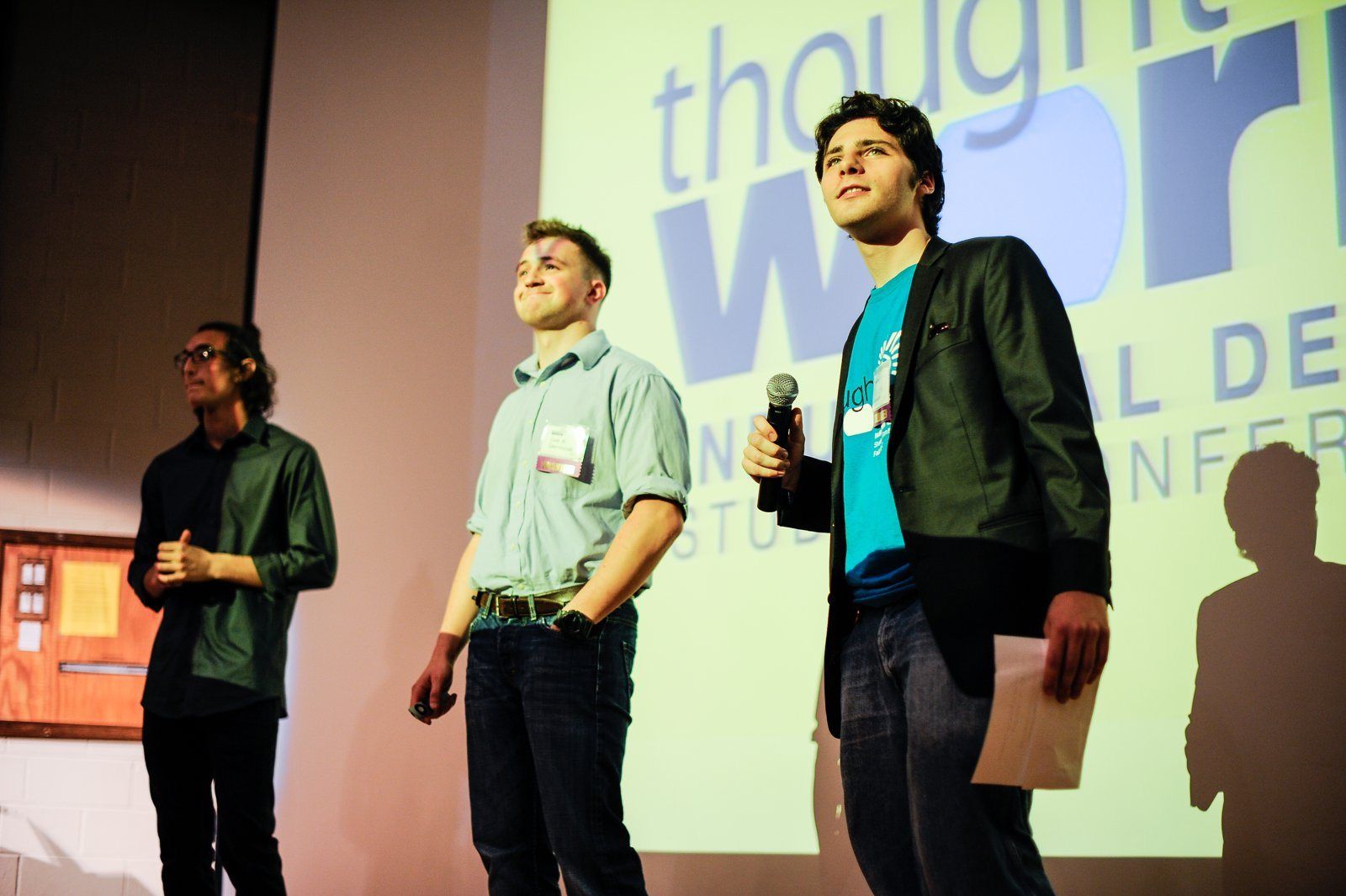
The student-run industrial design conference at Rochester Institute of Technology. It had started once and ended ten years before. I brought it back, and built it to last beyond me.
- ROLE
- Re-founder and conference chair
- FIRST YEAR
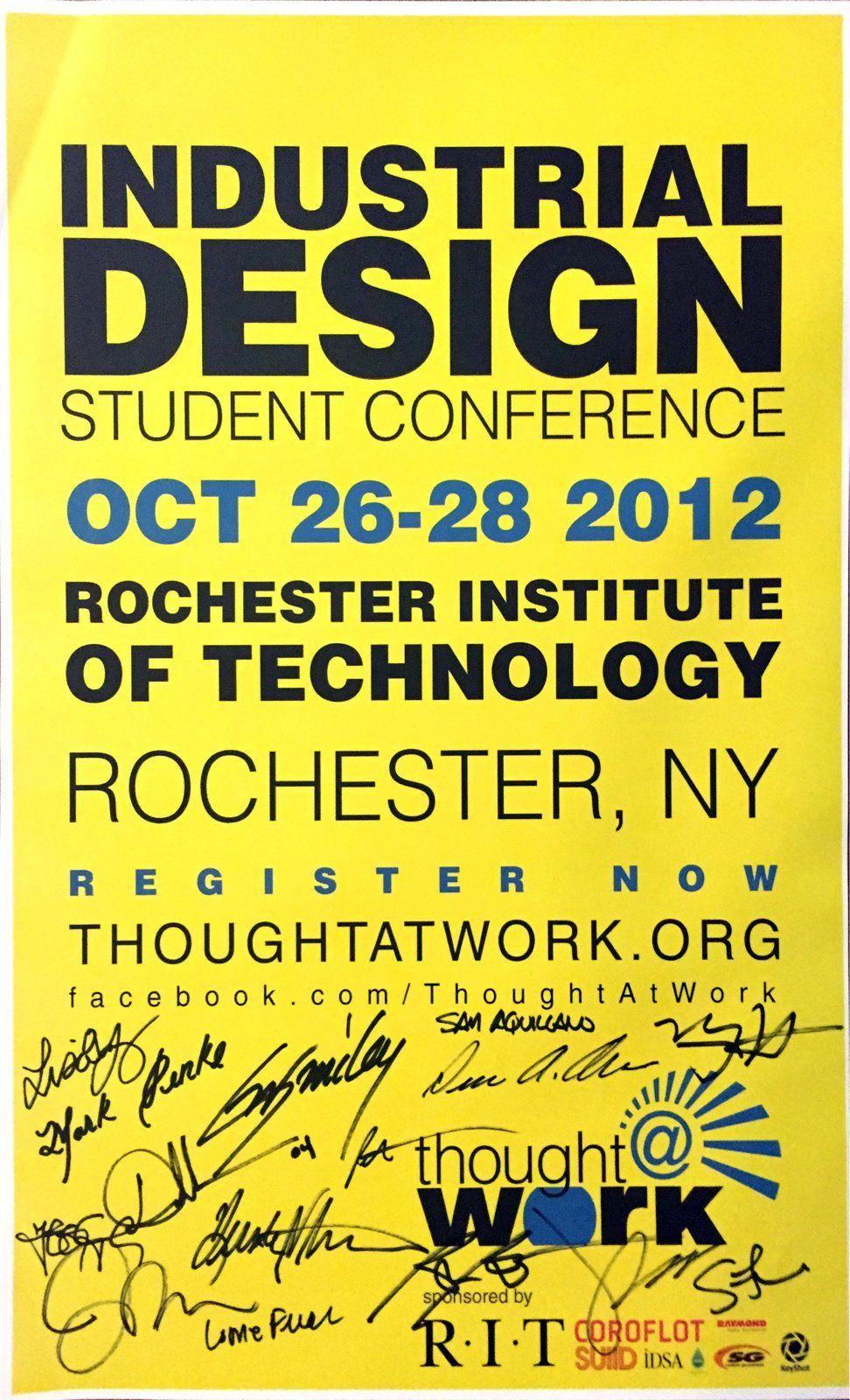
- 26–28 Oct 2012
- RAISED
- $14,000
- STILL
- Running today
Built from the ground up
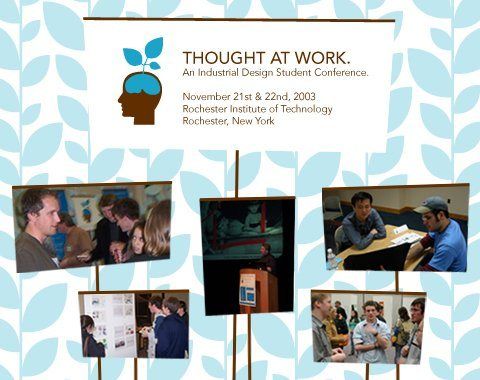
Thought at Work first happened at RIT in 2003, started by industrial design students who wanted a conference of their own. It ran twice, then the money ran out and the administration closed it.
In April 2011, on the drive back from a regional IDSA conference, a friend and I spent eight hours sketching how to bring it back. Most people told us students couldn’t pull it off. Eighteen months later it opened.
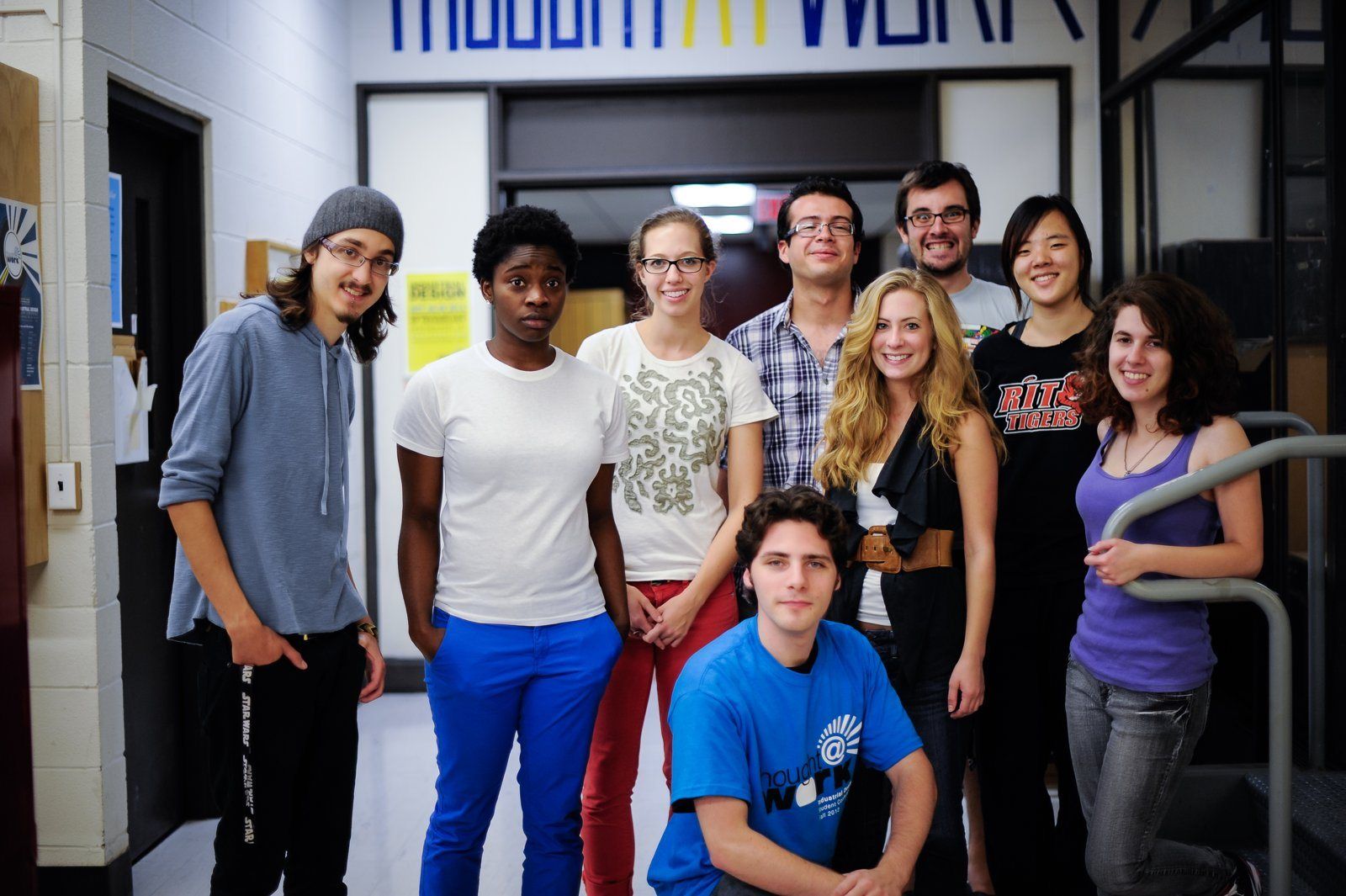
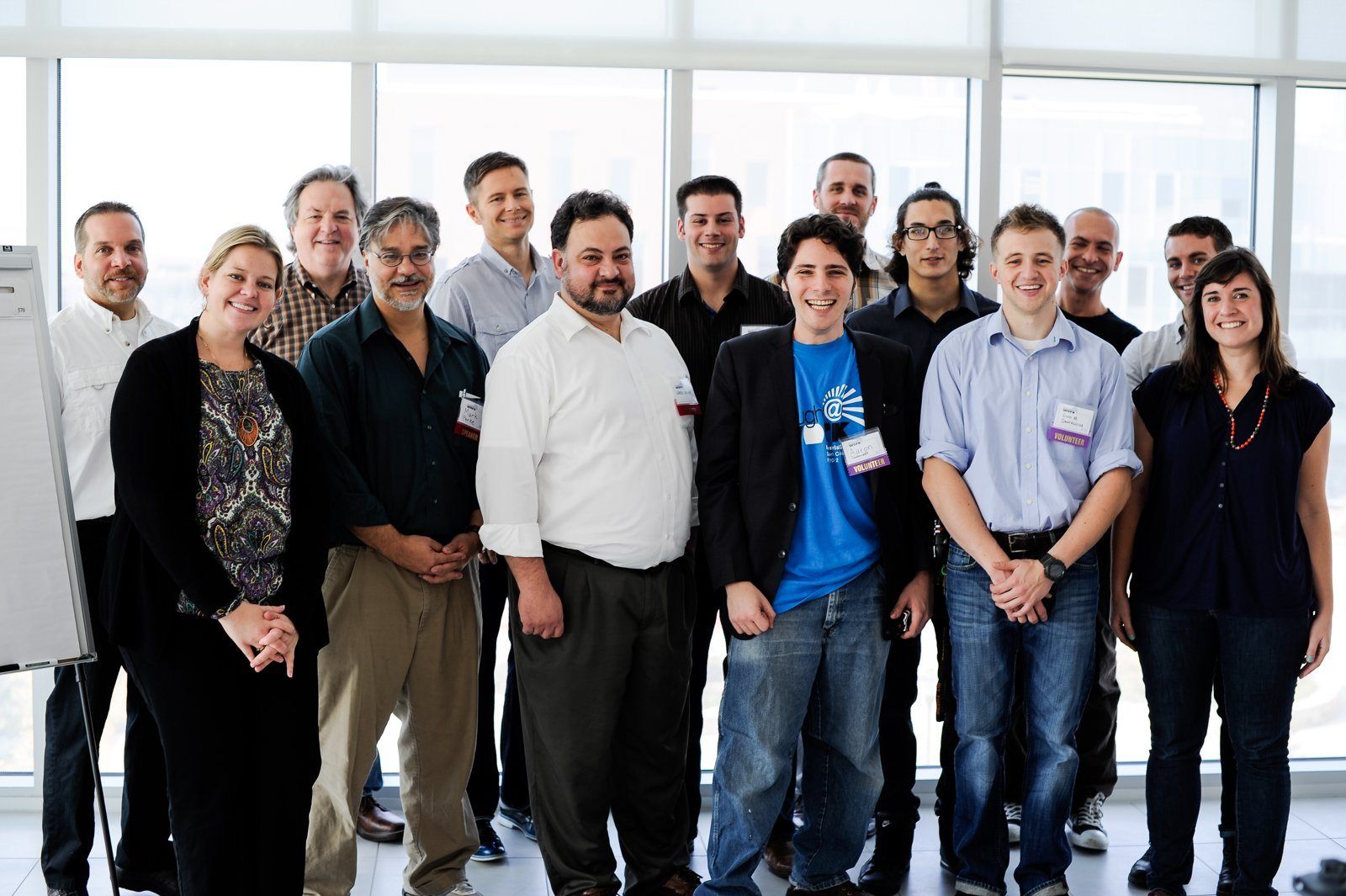
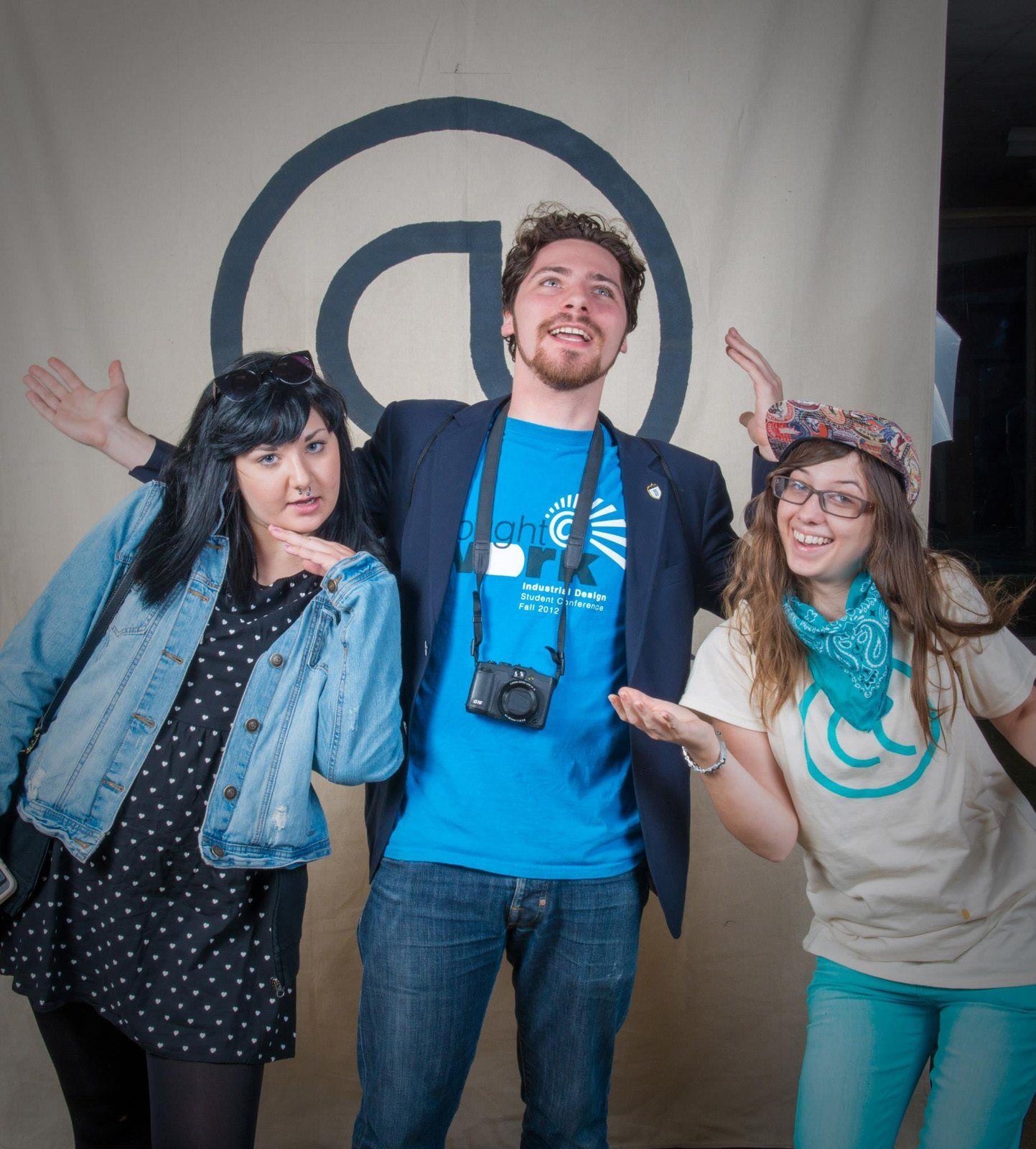
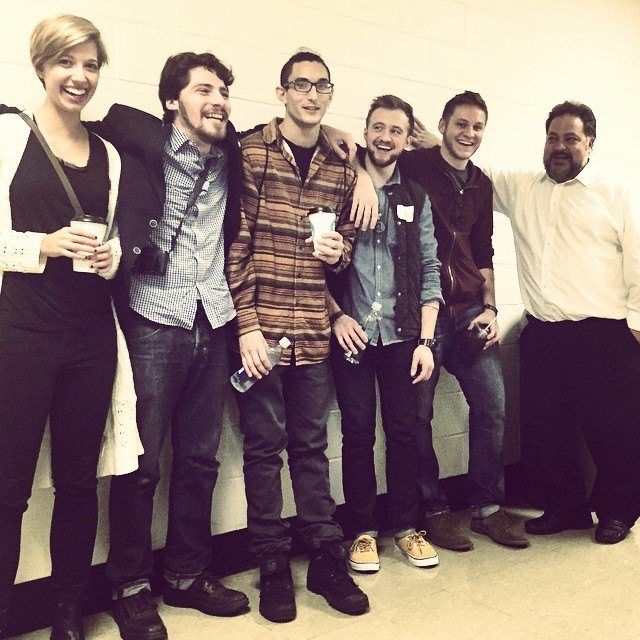
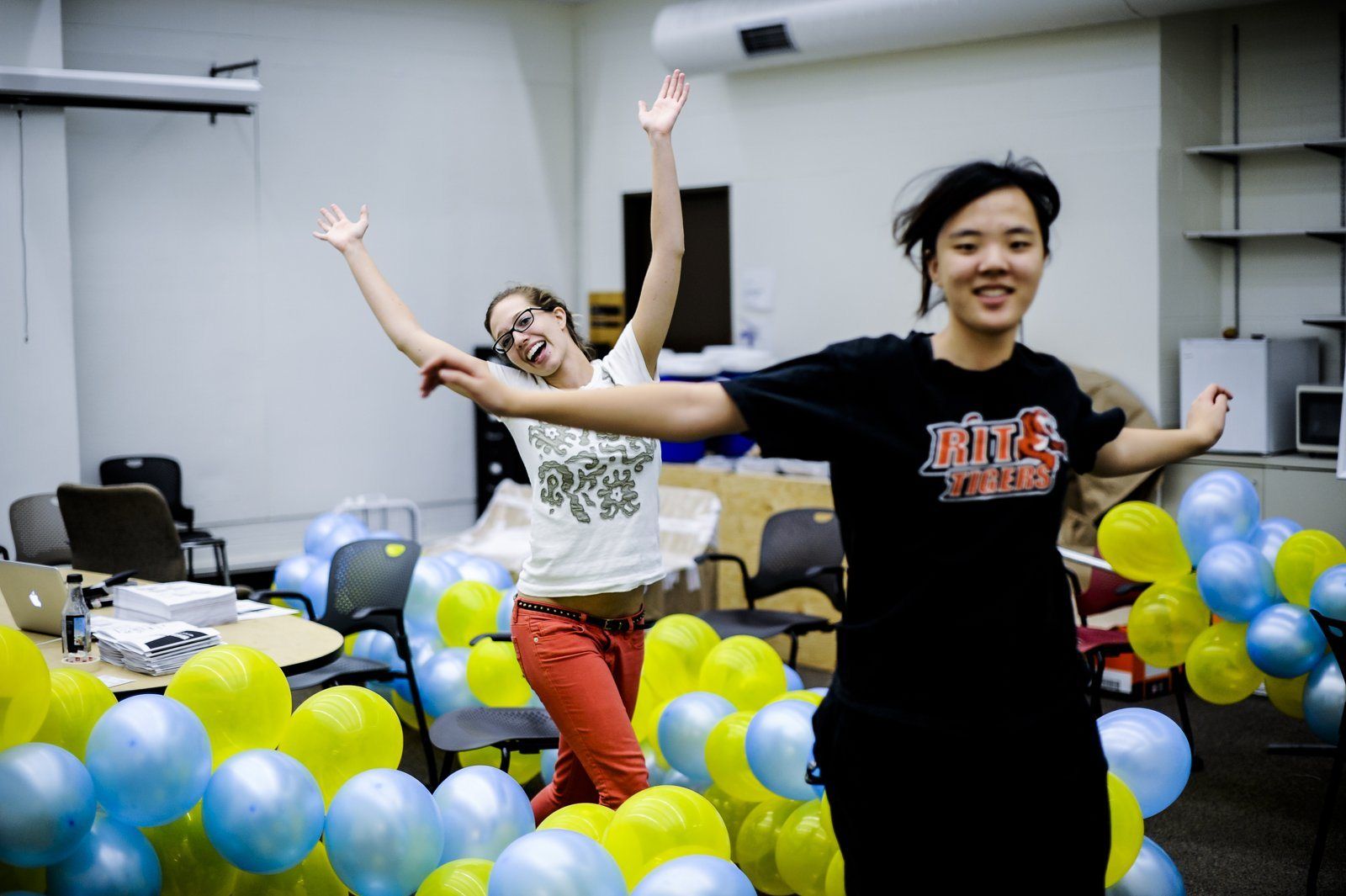
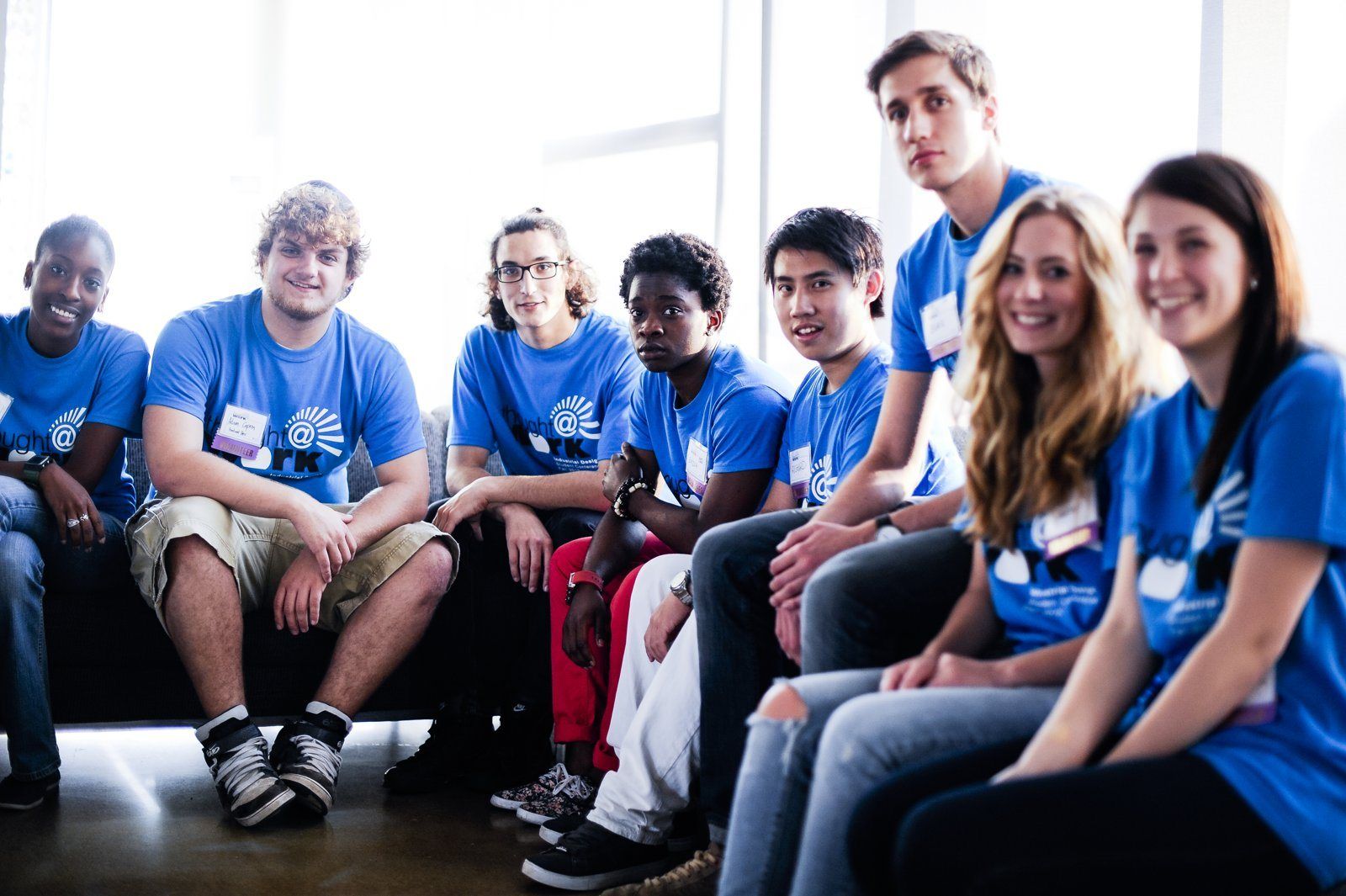
I created the systems and the teams, found the sponsors, wrote the grants and brought the administration on board. From a small core we grew to a team of about forty students, from first-years to graduate students, in industrial design, engineering, new media and graphic design. The first year raised $14,000 and left $4,000 to start the next one.
The point was never one good weekend. I built the infrastructure to outlast me: a team that hands over to the next team, with the core ideas in place. The second year I mentored the groups who took it on. It continues to this day.
Empowerment of students can happen within the total institution of academia through Thought, Networks and Hard Work, with an Internal Sustainable System led by students.FROM MY 2012 RULES FOR THE TEAM
A design project, not an event
I treated the conference as an industrial design brief. Before planning anything, I went to three IDSA regional conferences and watched how students actually used them. Sitting in one room for nine hours wasn’t working. The real conversations happened in the breaks, and shy students only spoke to professionals when the groups were small and hands-on.
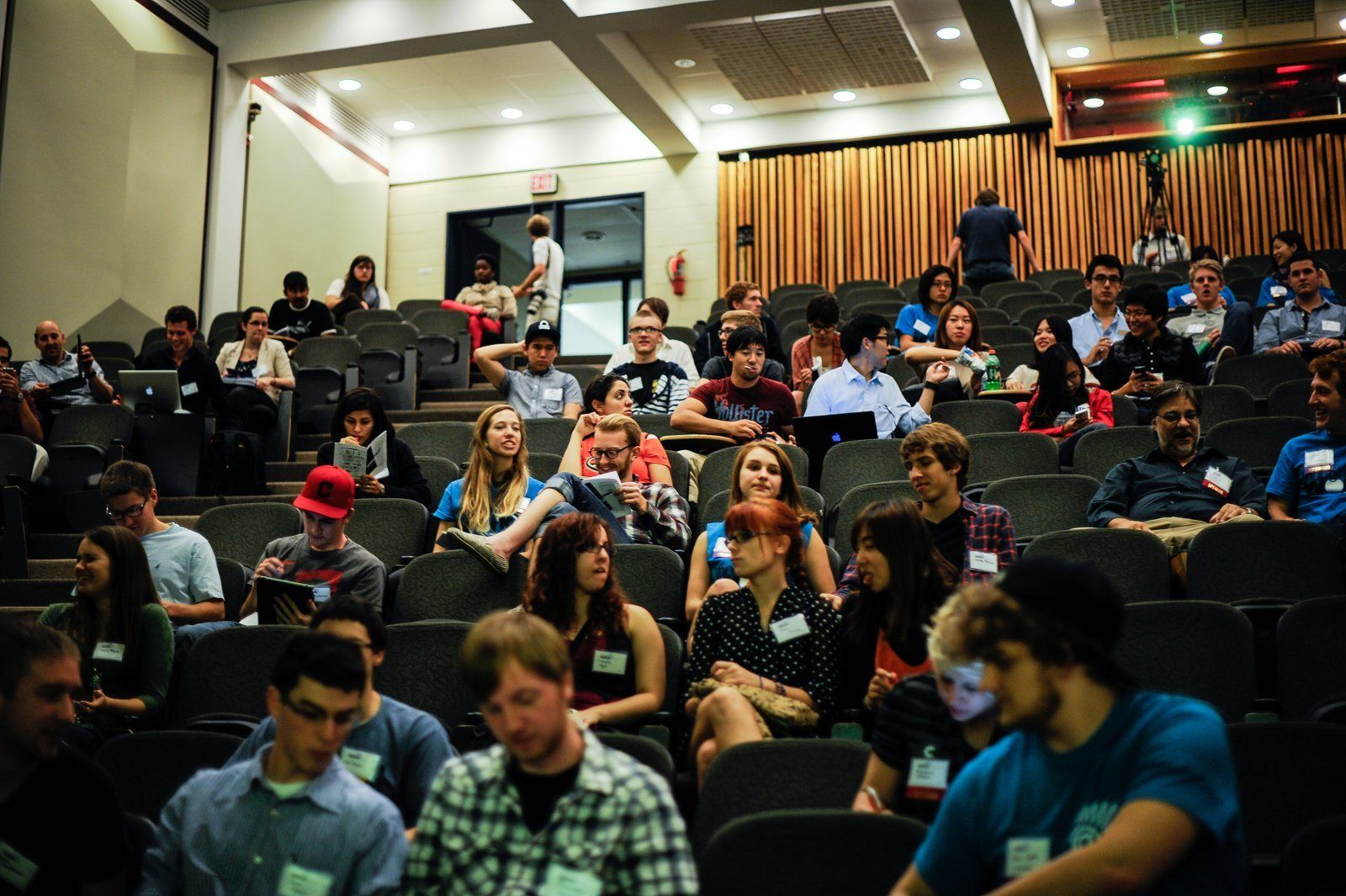
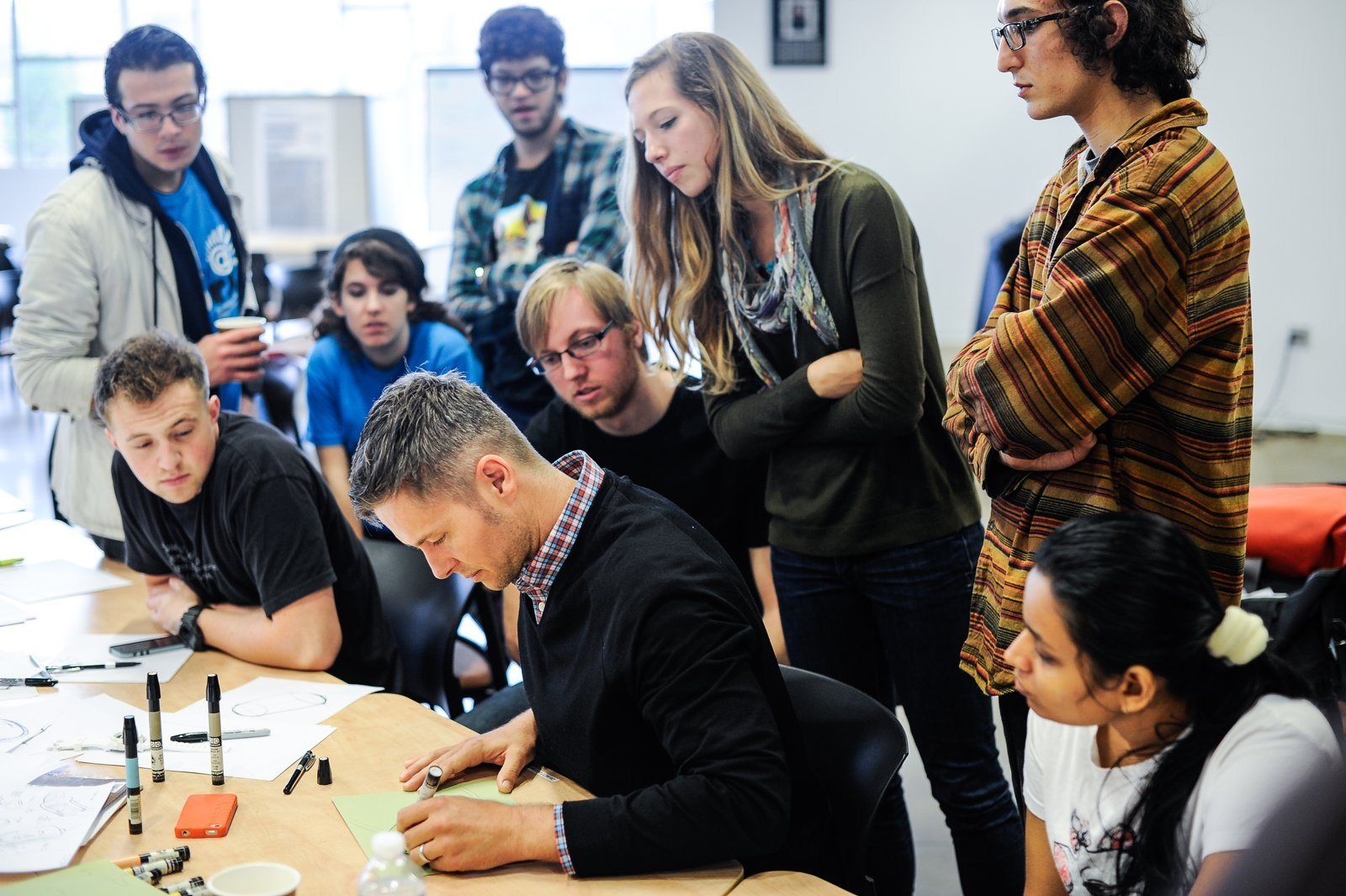
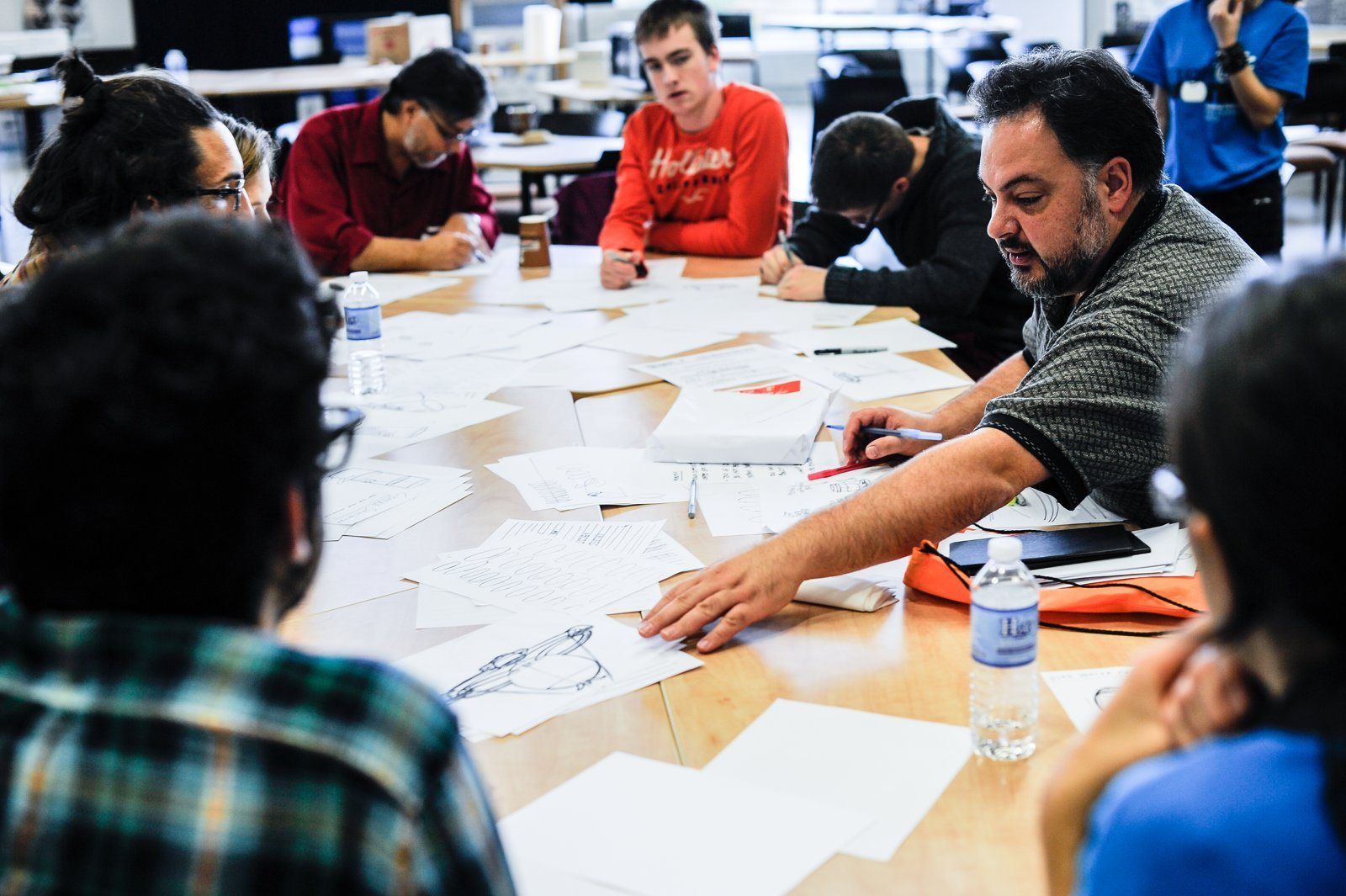
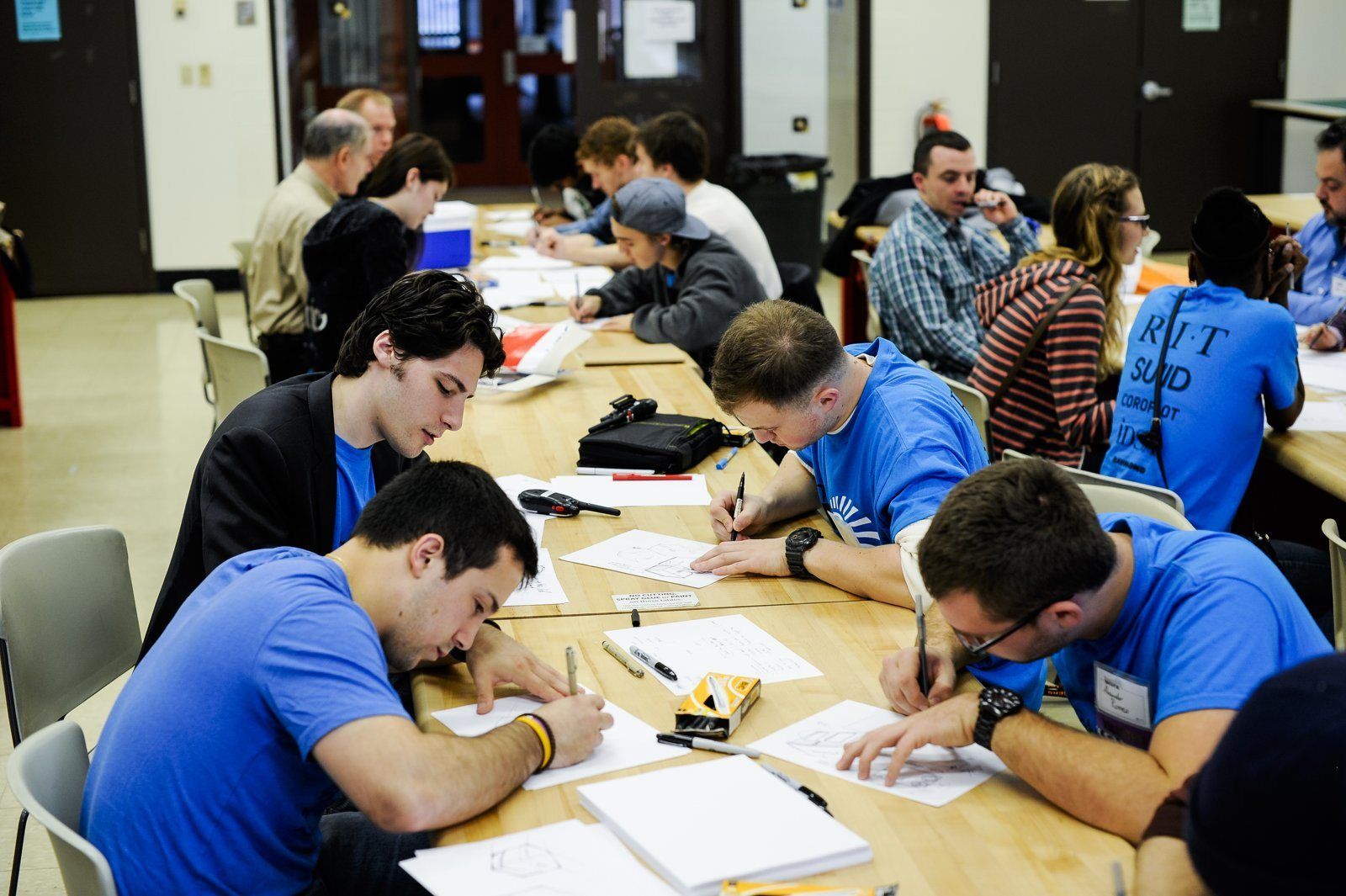
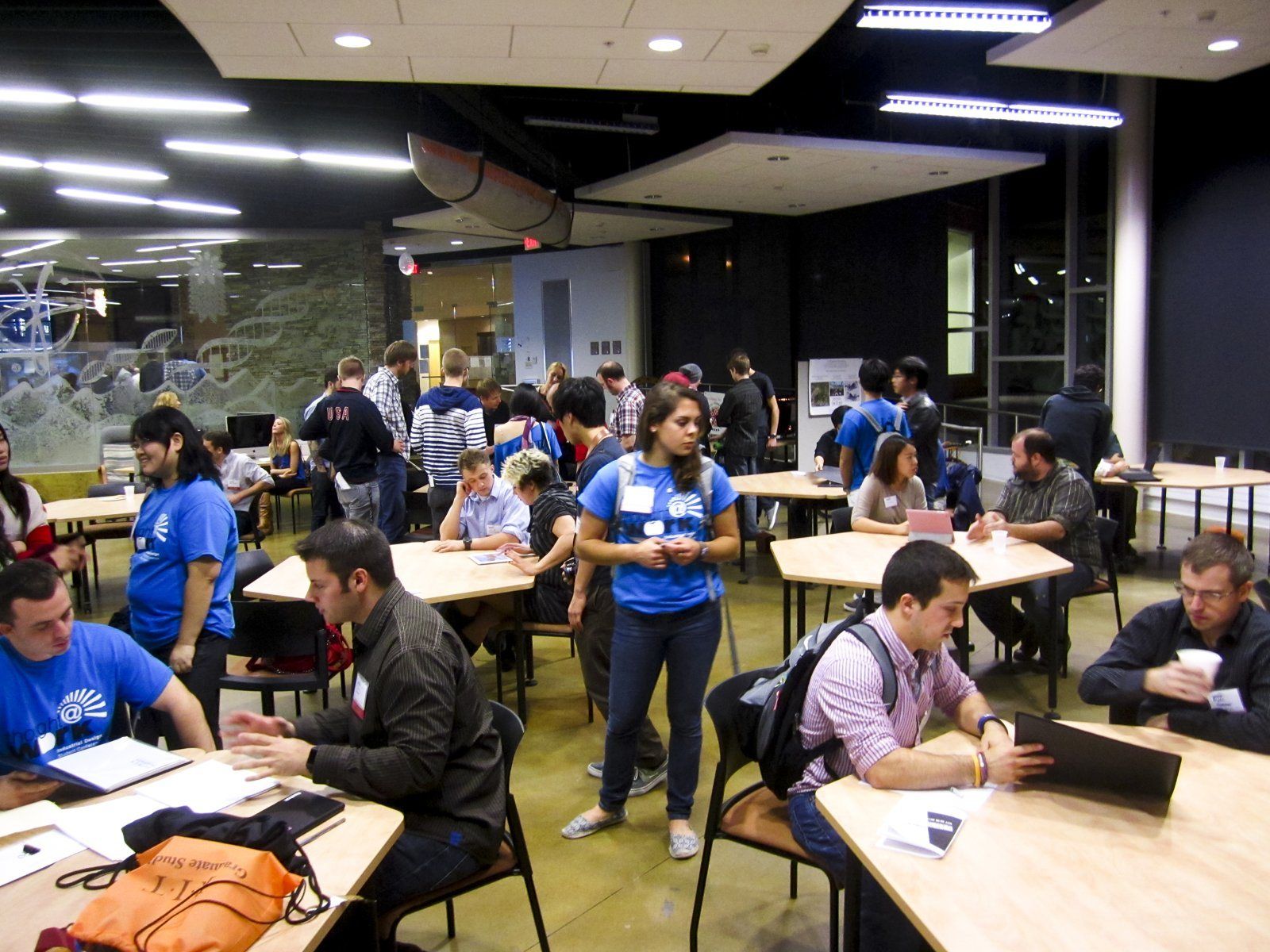
So Thought at Work was built the other way round: short talks for everyone together, then small workshops where first-years, seniors, graduate students and working designers sat at the same table. Students chose the skills they wanted to work on and got feedback straight away, with no grade attached.
That summer I ran the team for six weeks from Hong Kong, with co-organisers in Copenhagen, Taiwan and the US. Two speakers, our keynote among them, fell away in the last weeks. The weekend still happened.
Using the design thinking methodologies we were taught within the industrial design curriculum, Thought at Work 2012 became merely the implementation of a solution backed by research.FROM MY 2013 STATEMENT
From 280 to 400
Year one
Year two
Year three
Three days, twenty-eight talks and workshops
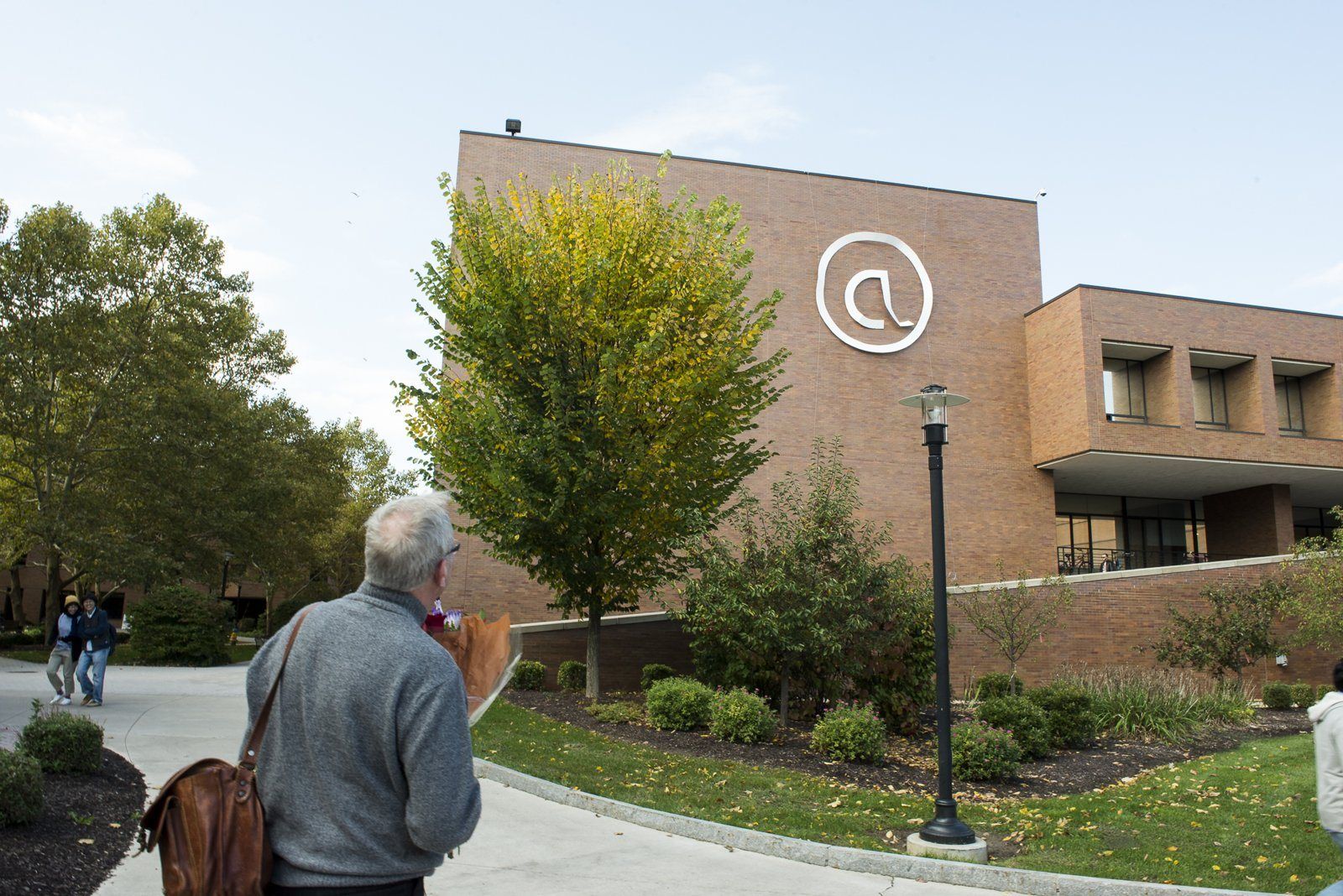
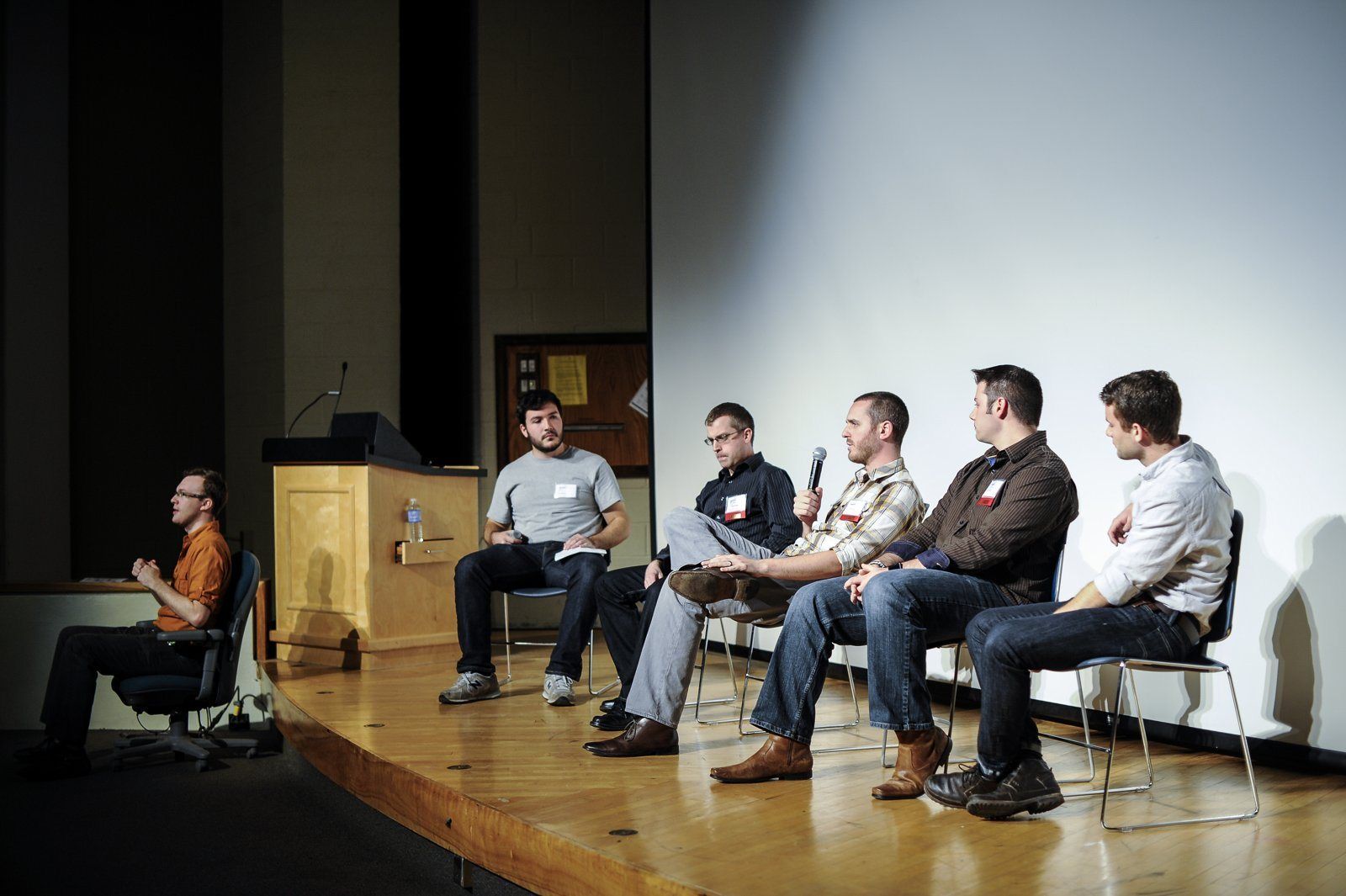
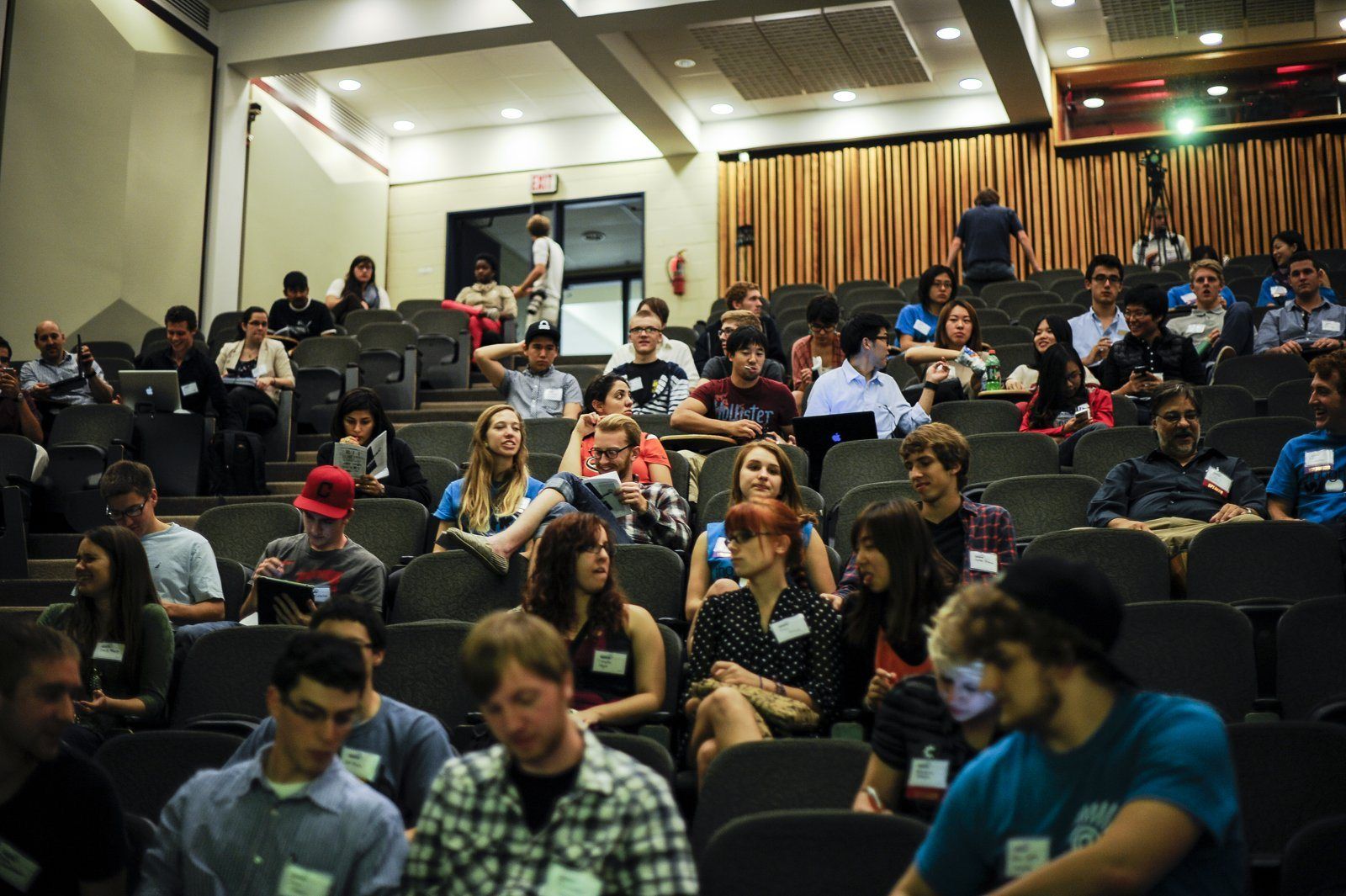
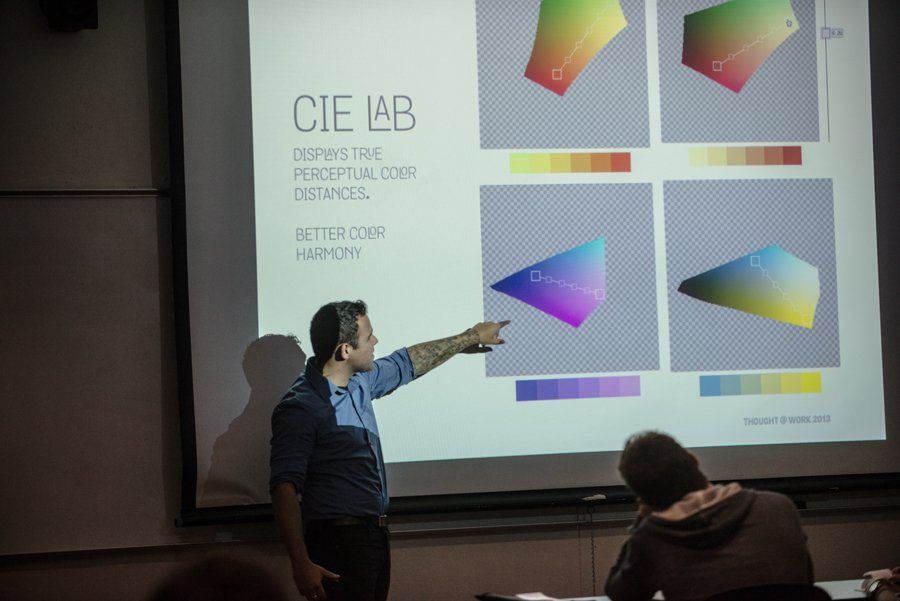
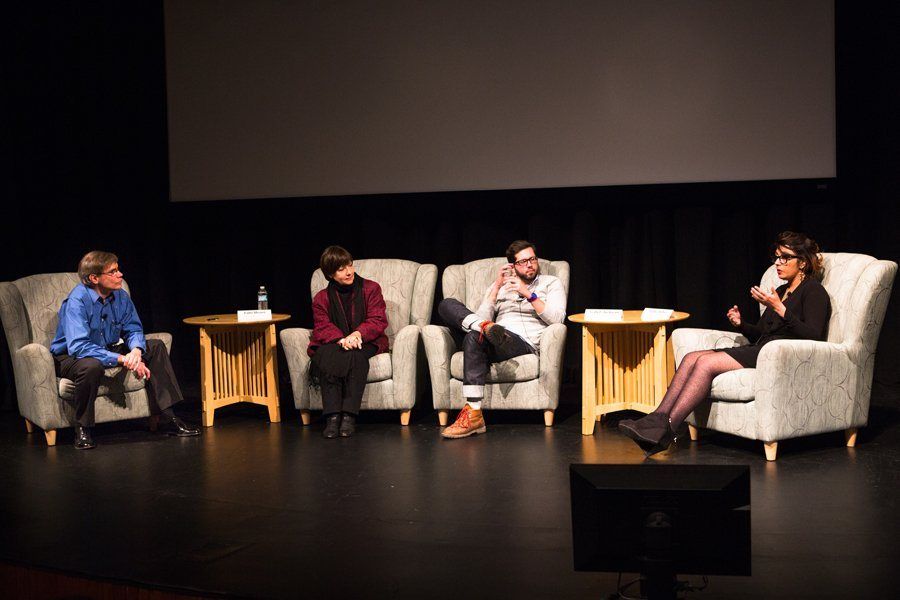
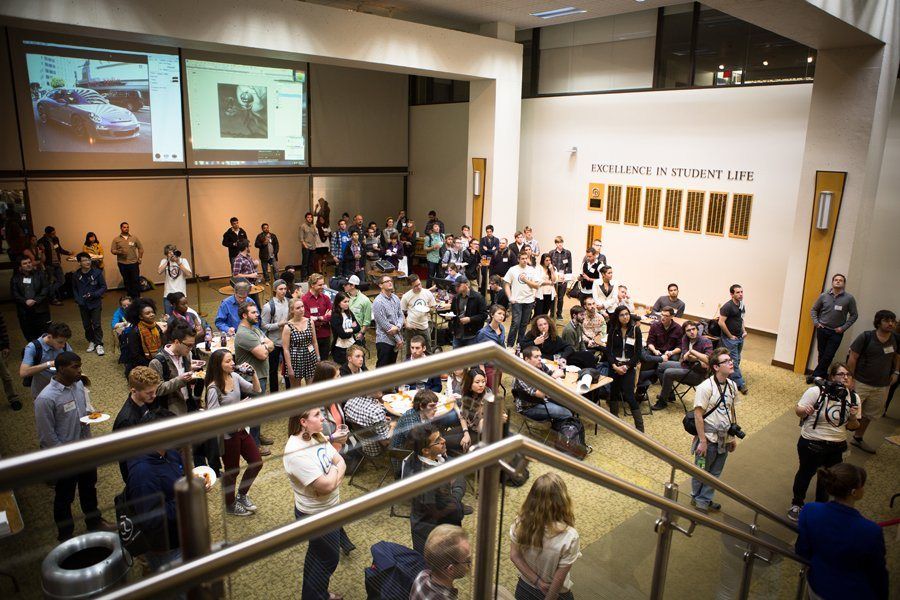
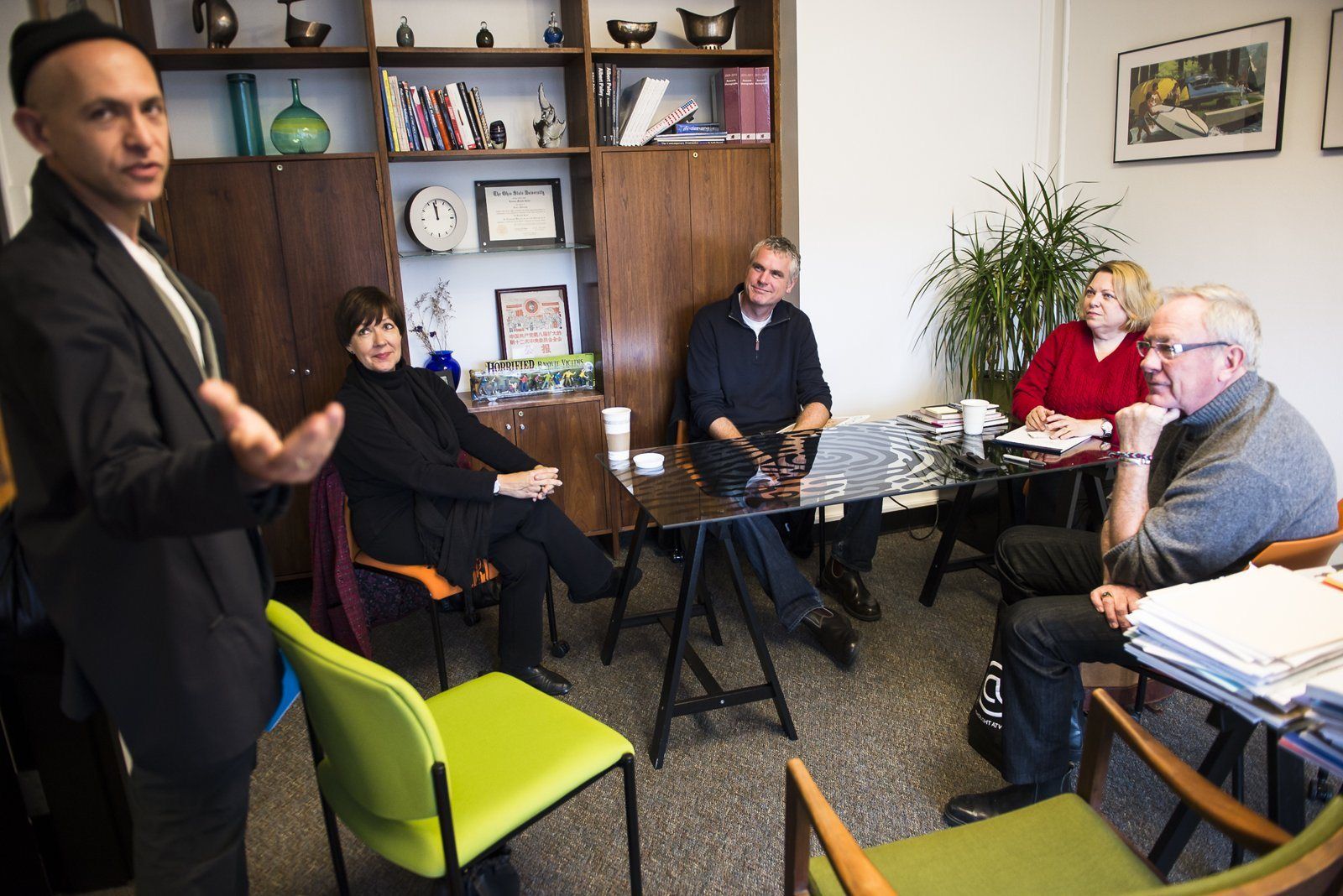
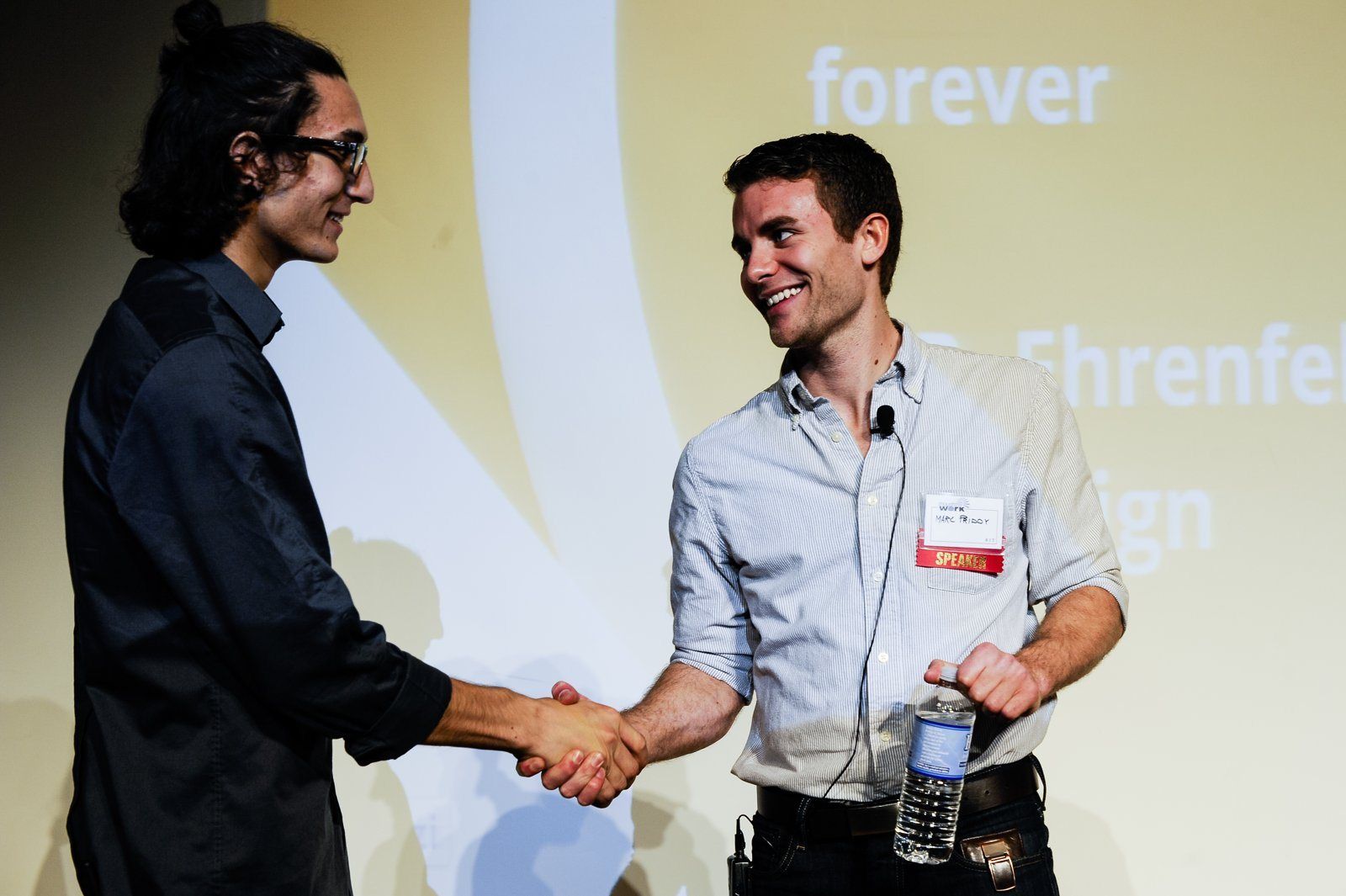
Over three days: 18 professional speakers, 10 graduate students presenting their thesis work (24 showing in the gallery), 28 talks and workshops, three gallery shows, two concerts with three bands, a portfolio review and a cookout. Students came from as far as Philadelphia, New York, Cleveland and Canada.
- Kickstarter and the entrepreneur. Don Lehman on taking a product from concept to a funded launch.
- The ReDesign workshop. A mystery product, groups of four to six students, each paired with a working designer. Led by Jeff Smith.
- Fast drawing competition. The best fast sketchers from each school, on stage, hosted by Bruce Hannah of Pratt.
- Intellectual property for designers. Sarah Feingold of Etsy.
- Young designers panel. Designers within ten years of graduating.
- Graduate thesis workshop and show. Thesis projects from RIT, Pratt and other schools.
- Neohvi ideation workshop. An iterative method for widening the range of ideas.
- RIT Industrial Design alumni show in the Bevier Gallery.
- Portfolio reviews with working designers.
Who came
Eighteen speakers and ten graduate speakers in the first year. Titles as they were in 2012.
Co-founded the first Thought at Work in 2003 as an RIT student, then co-founded Design Museum Boston.
Co-founder of the 2003 conference. RIT industrial design graduate; his Stylus Caps reached 488% of their Kickstarter goal in 30 days.
Counsel at Etsy, on intellectual property for designers.
Design Director at Reflex Design, leading the ReDesign workshop.
Plus ten graduate speakers from RIT, Pratt and other schools.
It kept going
2012 was funded by Core77 and its jobs site Coroflot, IDSA (national and the RIT student chapter), RIT’s College of Imaging Arts and Sciences and an RIT learning grant, with in-kind help from Moo and the Vignelli Center for Design Studies.
In the years I helped mentor, the conference brought in major sponsors including Adobe, Autodesk, Wacom and Microsoft, alongside KeyShot and local Rochester partners.
Year two doubled the attendance, with Kyle Sheth, one of my 2012 co-coordinators, among its lead coordinators. GMUNK’s keynote filled the 507-seat Ingle Auditorium; Patricia Moore and Spencer Nugent of Sketch-A-Day spoke too. Thought at Work is still running, organised every year by a new team of RIT students.
Rules for the next team
The first run stopped after two years and had to be rebuilt from nothing. So after 2012 I wrote it all down: a handbook for the next team, and a short set of rules. Some of them:
- Every coordinator team includes at least two underclassmen, so someone who has done it is still there next year.
- Leave at least $1,000 in the bank for the team that follows.
- Positions go to whoever does the work, whatever their year. No elections.
- A board of past coordinators and speakers mentors the new team.
- In the first two weeks of the school year, the team visits first-year classes to bring in the next generation.
- Document everything, and keep it where the next team can find it.
In 2021 the student constitution still had a senior advisor linking the new board with alumni, and new members shadowed a board role for a semester before taking it on.
Thought at Work is about taking action, not sitting idly by while others shape your whole education.FROM THE 2012 HANDBOOK
Three days in October
2003 and 2004
Two hundred people came to the first one, with speakers like Yves Béhar. The second year lost money, and the conference stopped. What was missing was a way to hand it on, so that is what I built.