Seeing yourself in the larger whole.
Thermal Memories started when I began photographing everyone and everything in my life, the way I did with film from elementary school to high school, growing up in the darkrooms around Pittsburgh.
With the same black and white, and a print you can hold right away, there is an immediacy. It lets me connect easily through my own pictorial language: how I see people and the symbolism around me, the smiles and expressions, and the deeper dives into how we function as human beings.
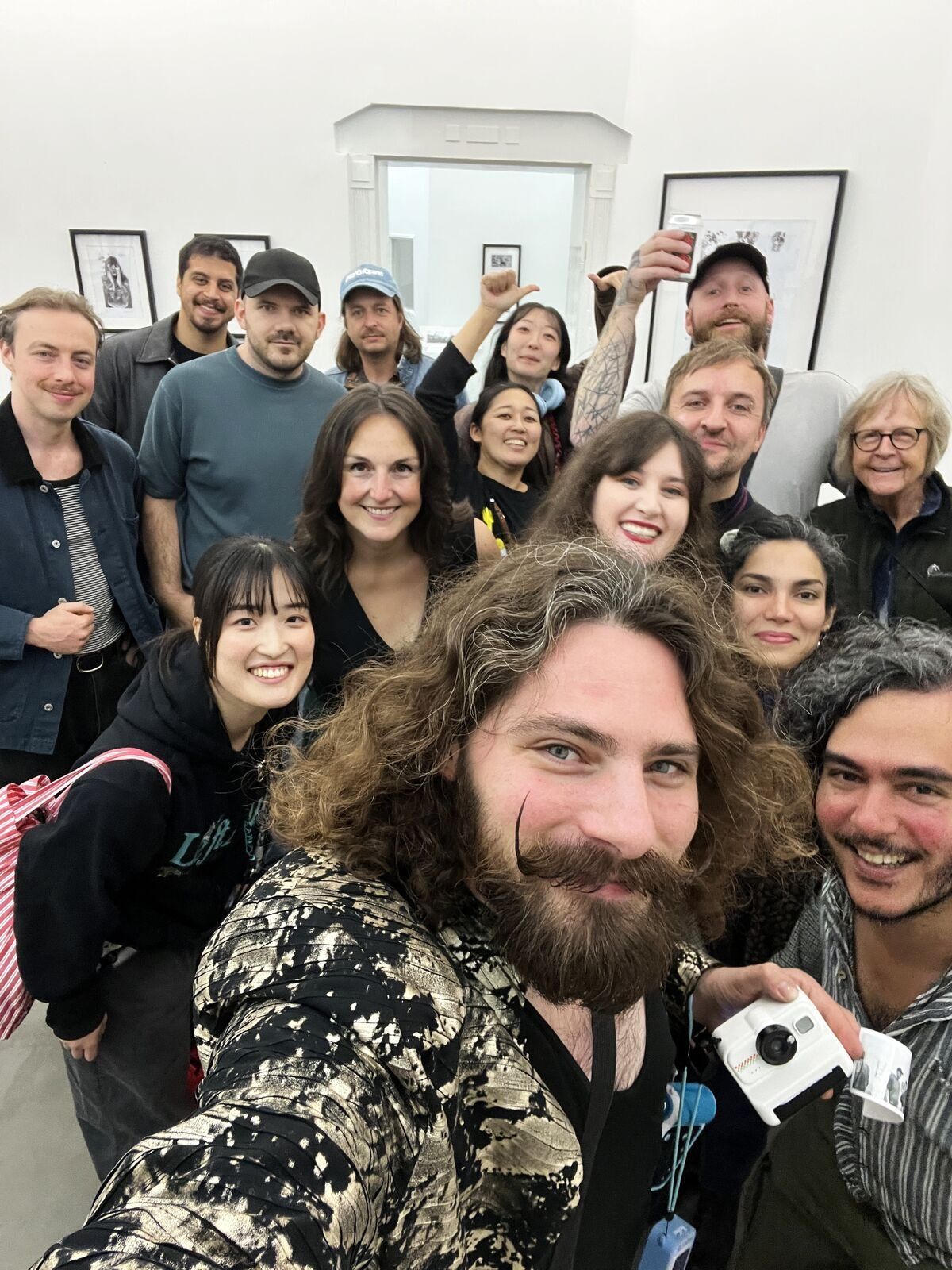
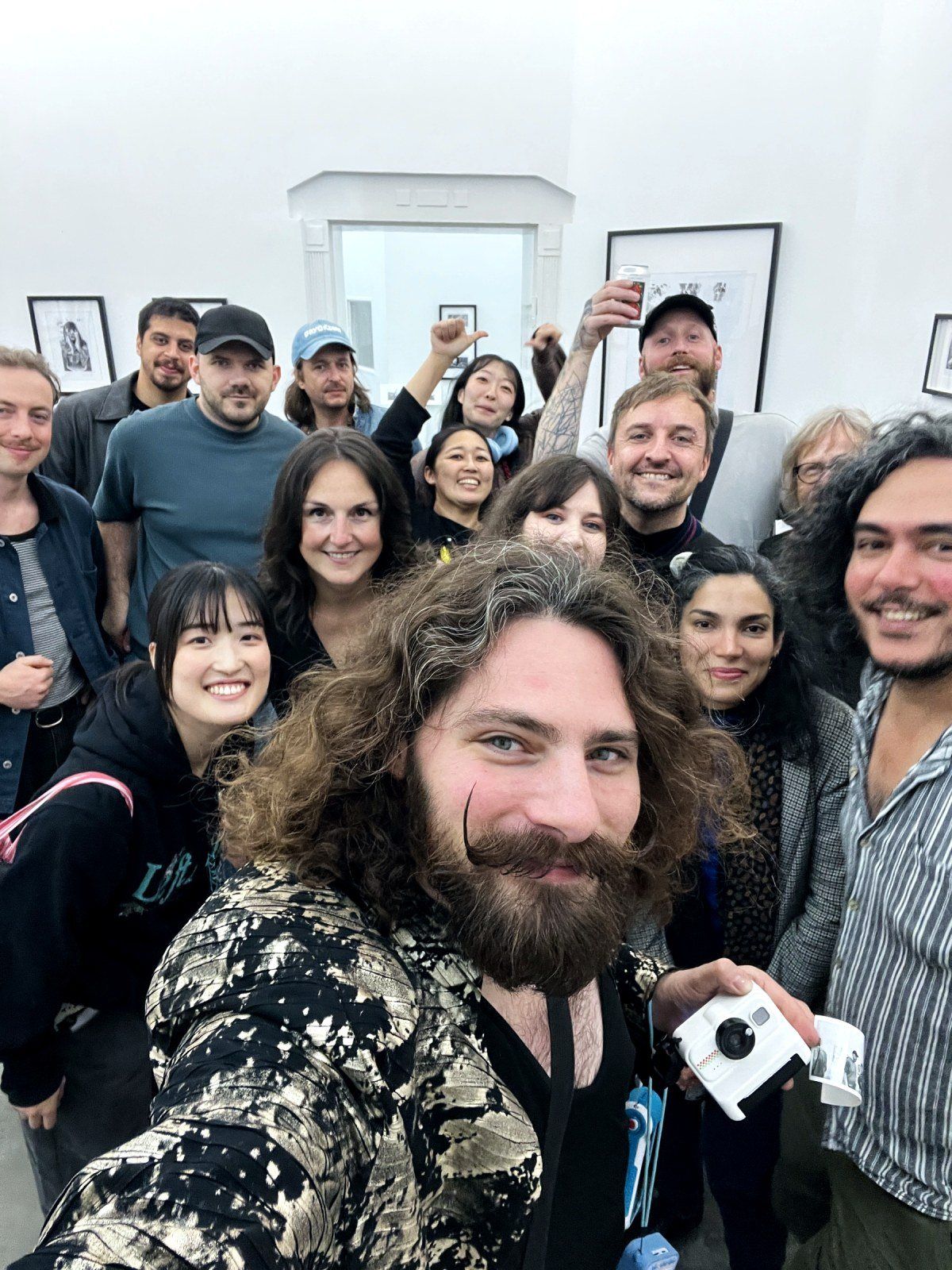
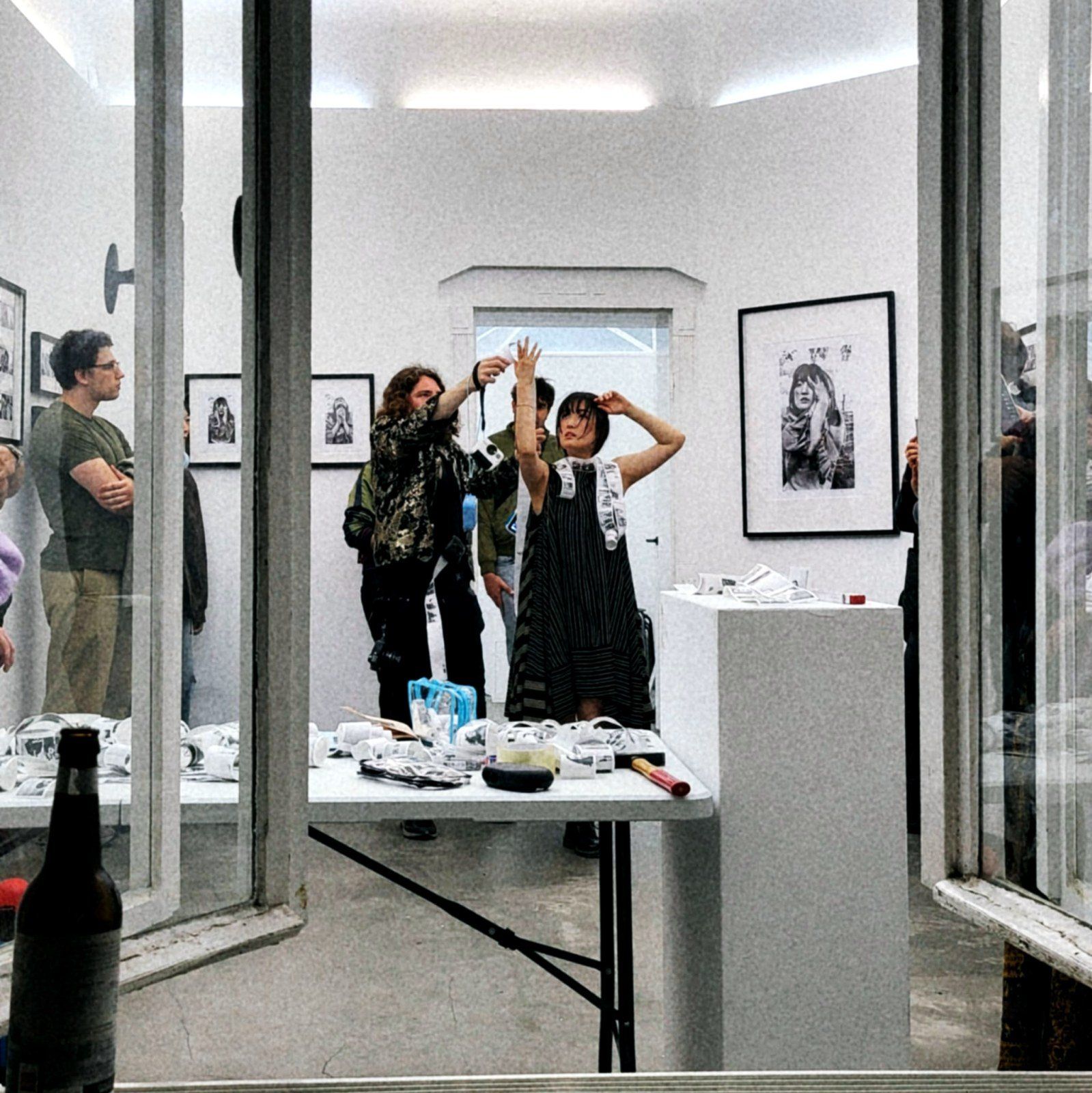
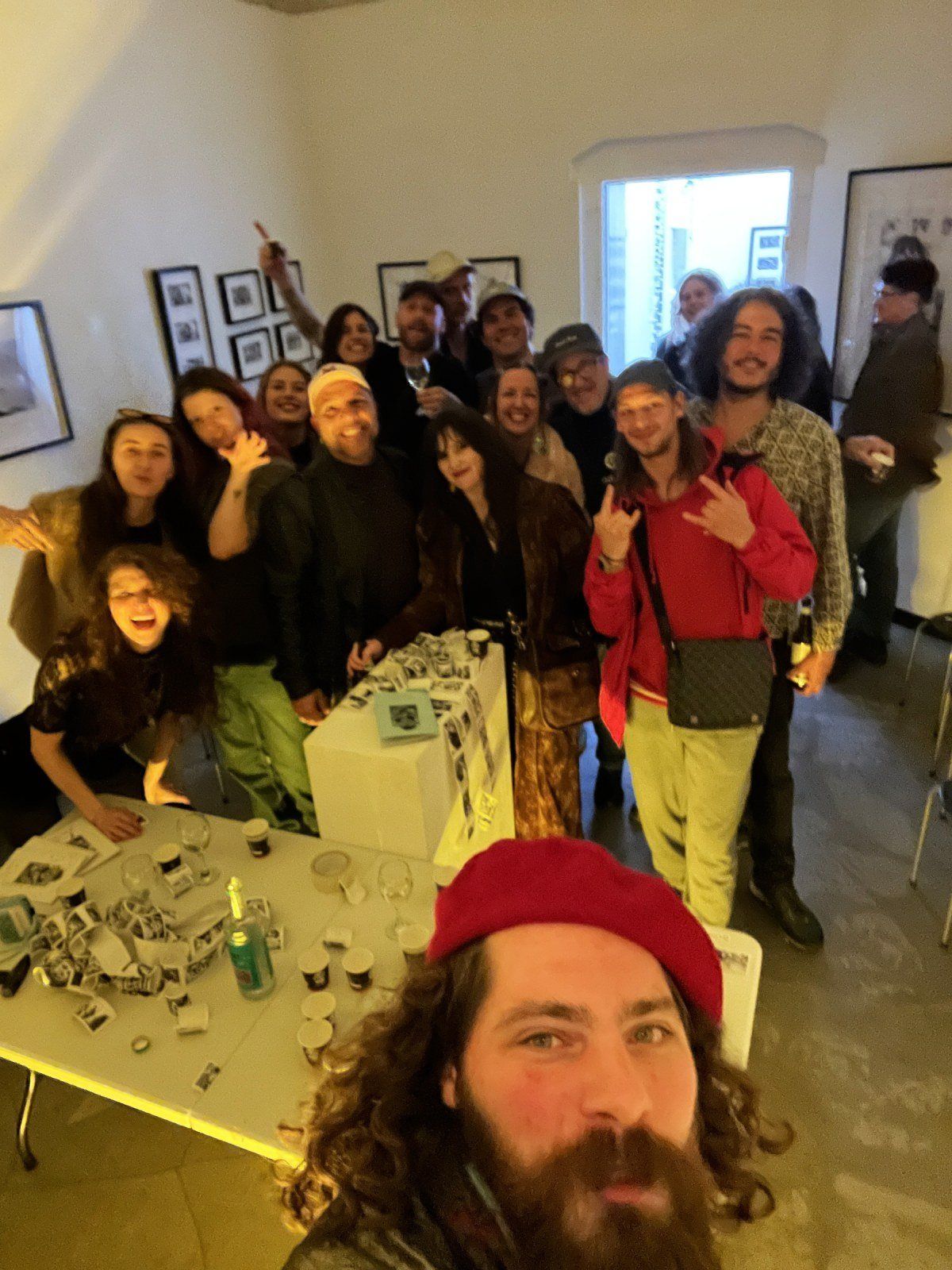
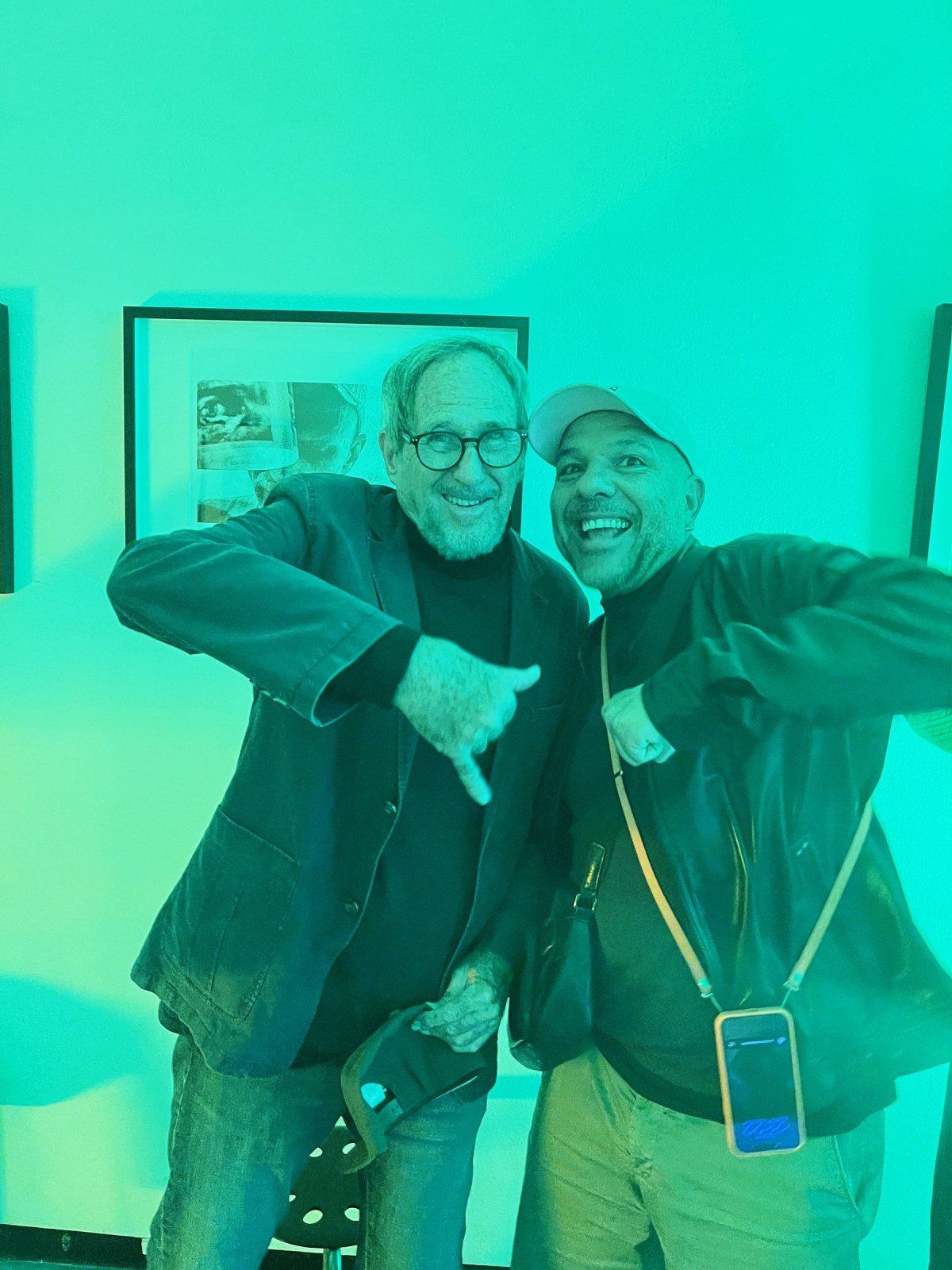
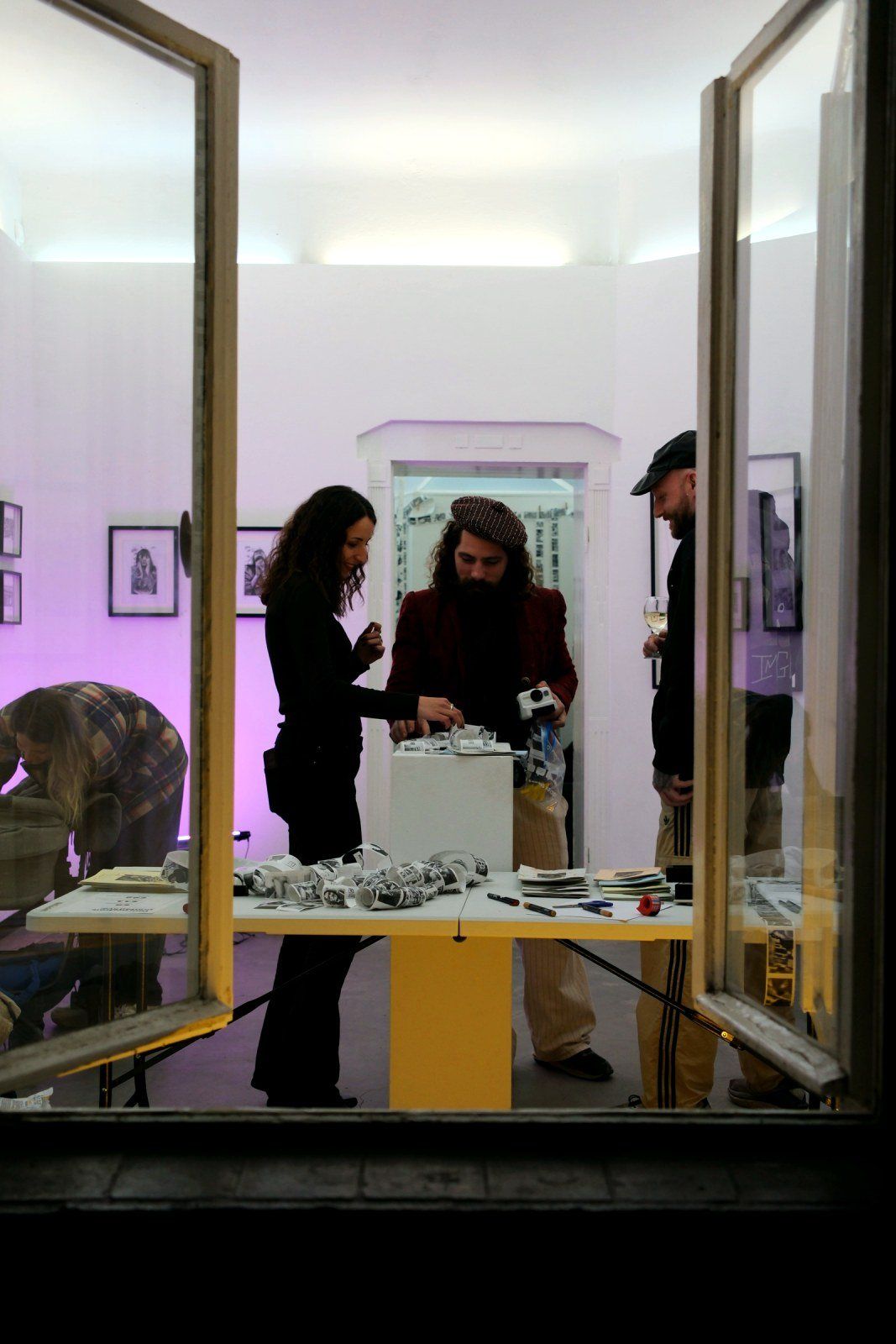
From 2 to 13 October 2026 I photographed hundreds of visitors at Frida Bobby Galerie. The show opened on 2 October as part of a group exhibition, became a solo show on 3 October, and was also the launch of my new book, Thermal Memories.
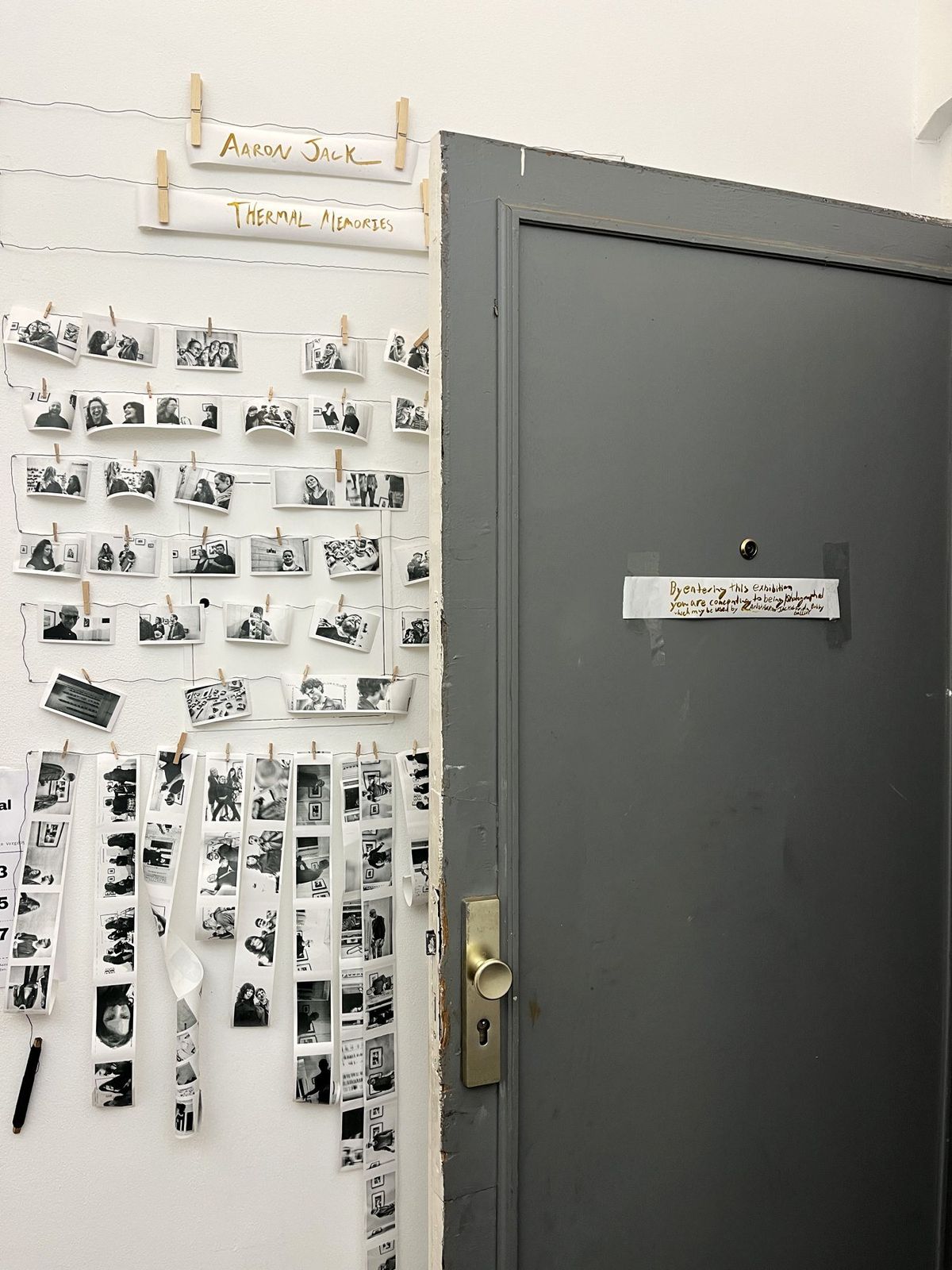
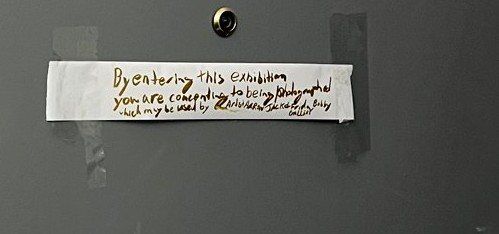
“By entering this exhibition you are consenting to being photographed.”
That was the rule, written in gold on the door, and I told each person again as they came in.
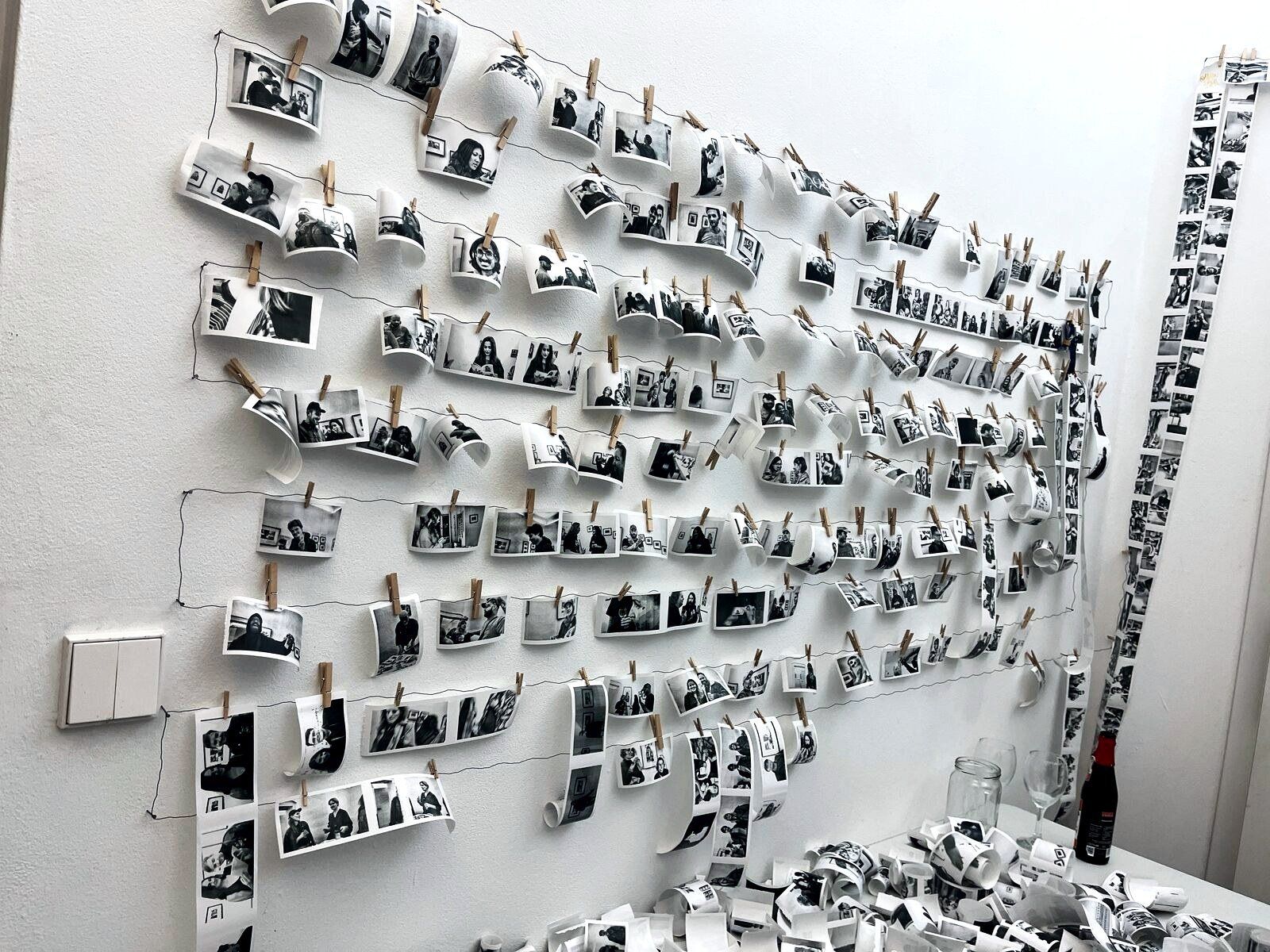
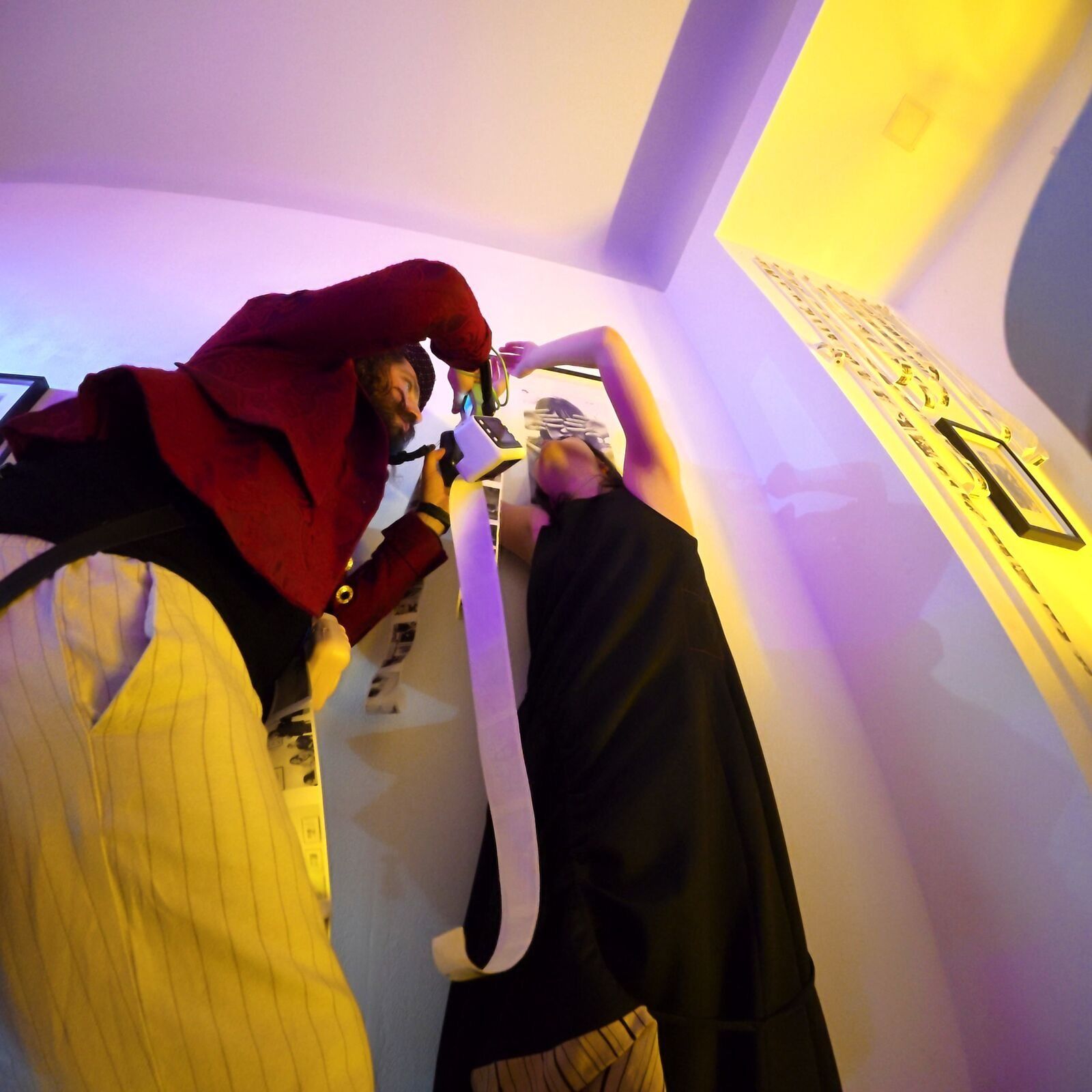
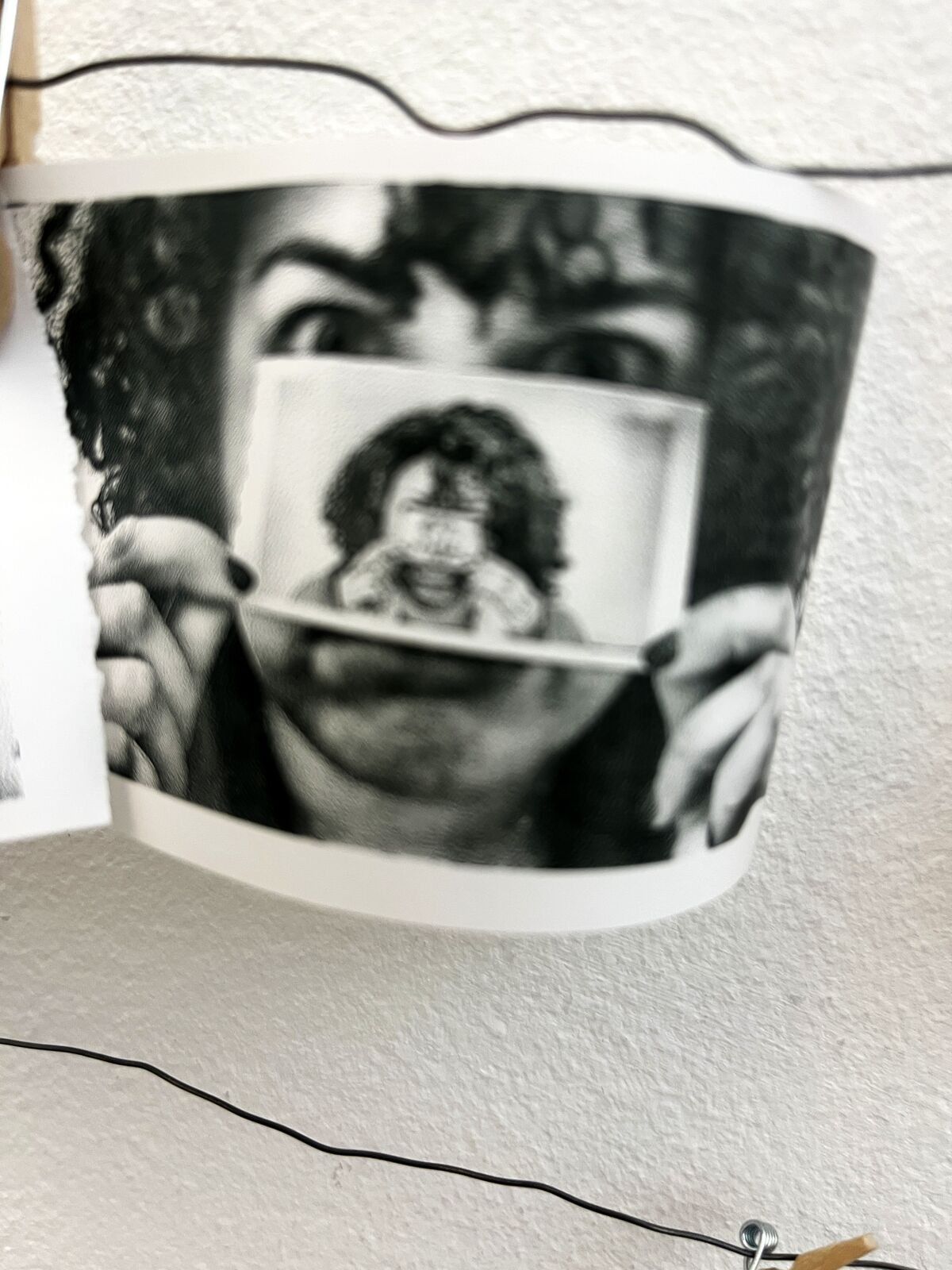
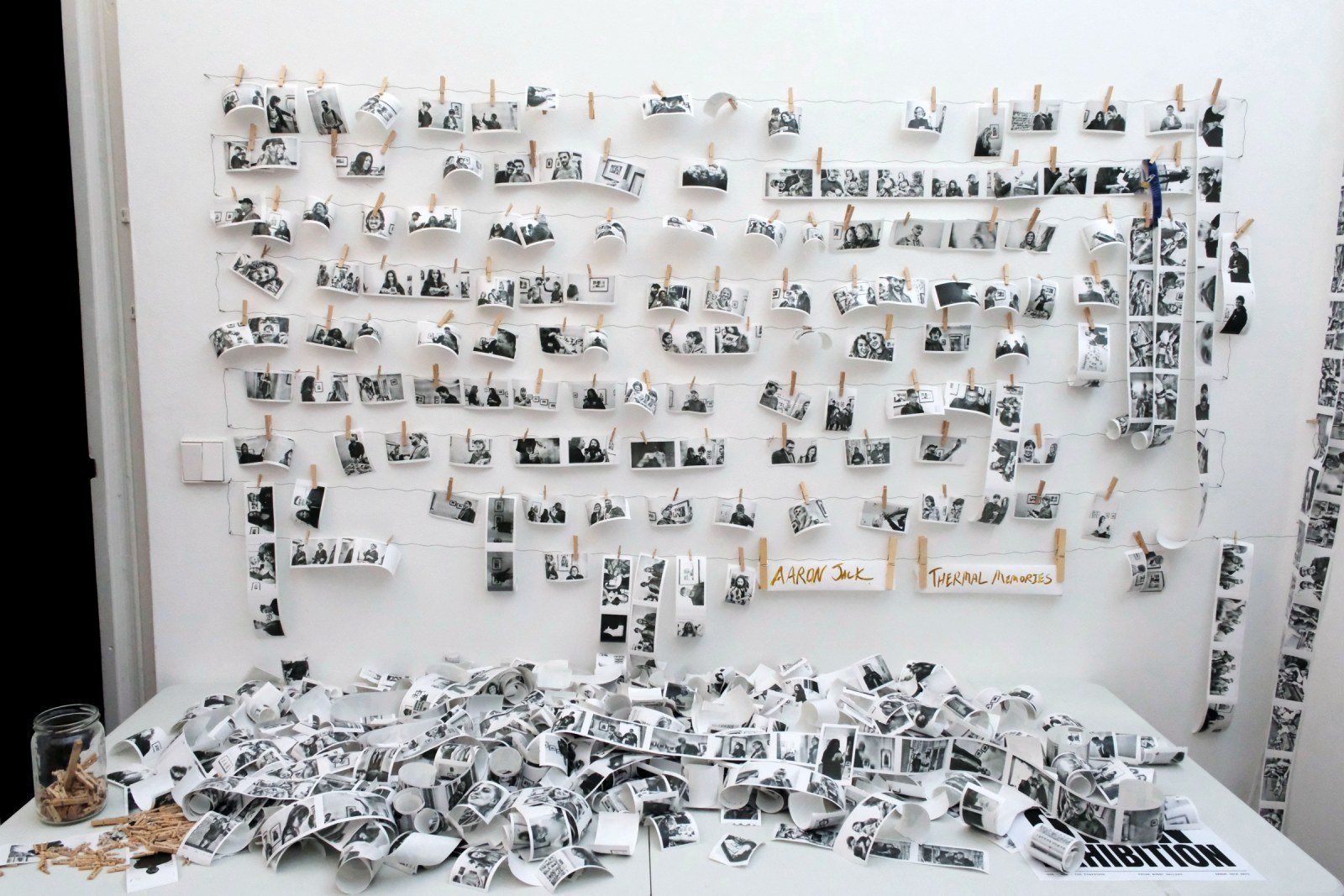
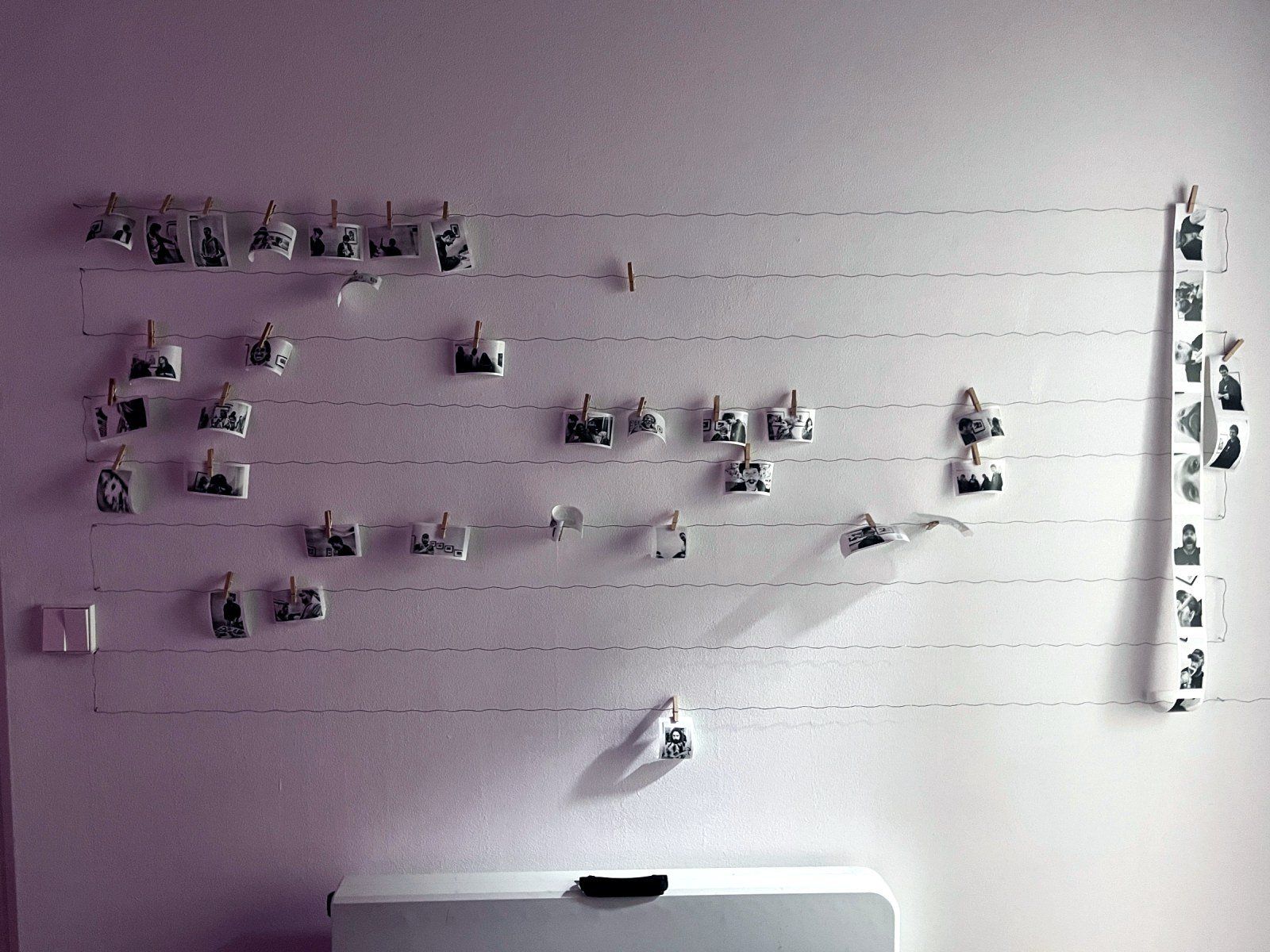
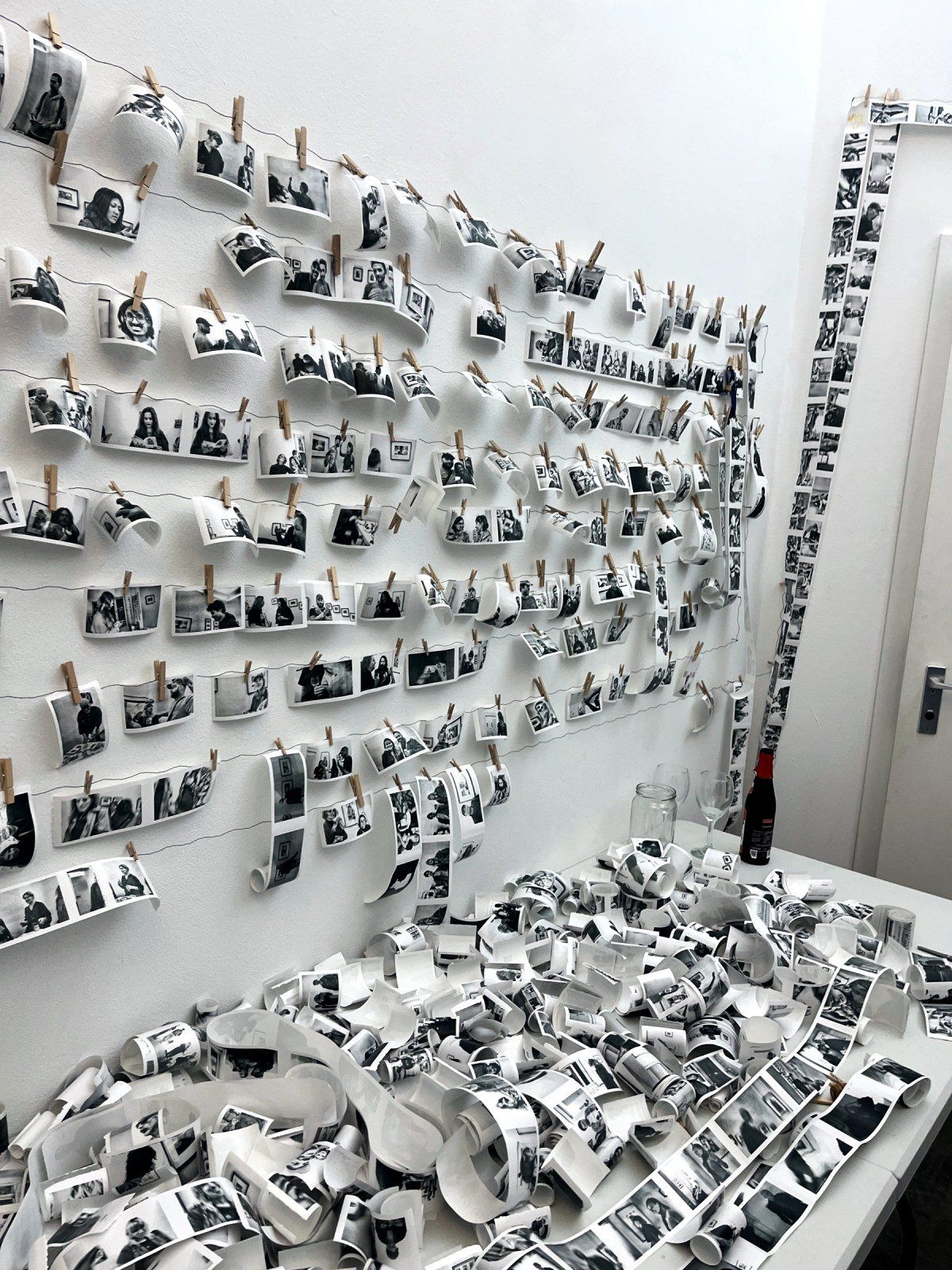
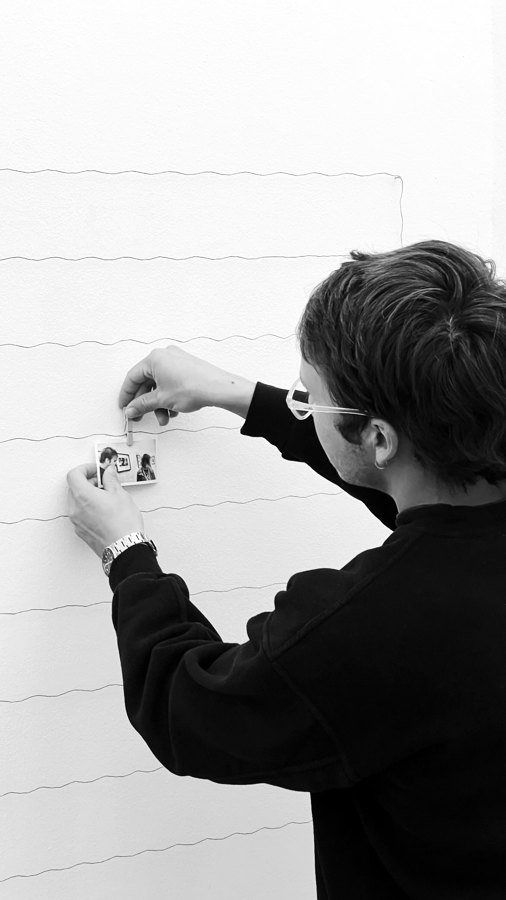
Walk in and you became part of the work: printed in seconds, handed over, pinned to the wall by your own hand or someone else’s.
From the show
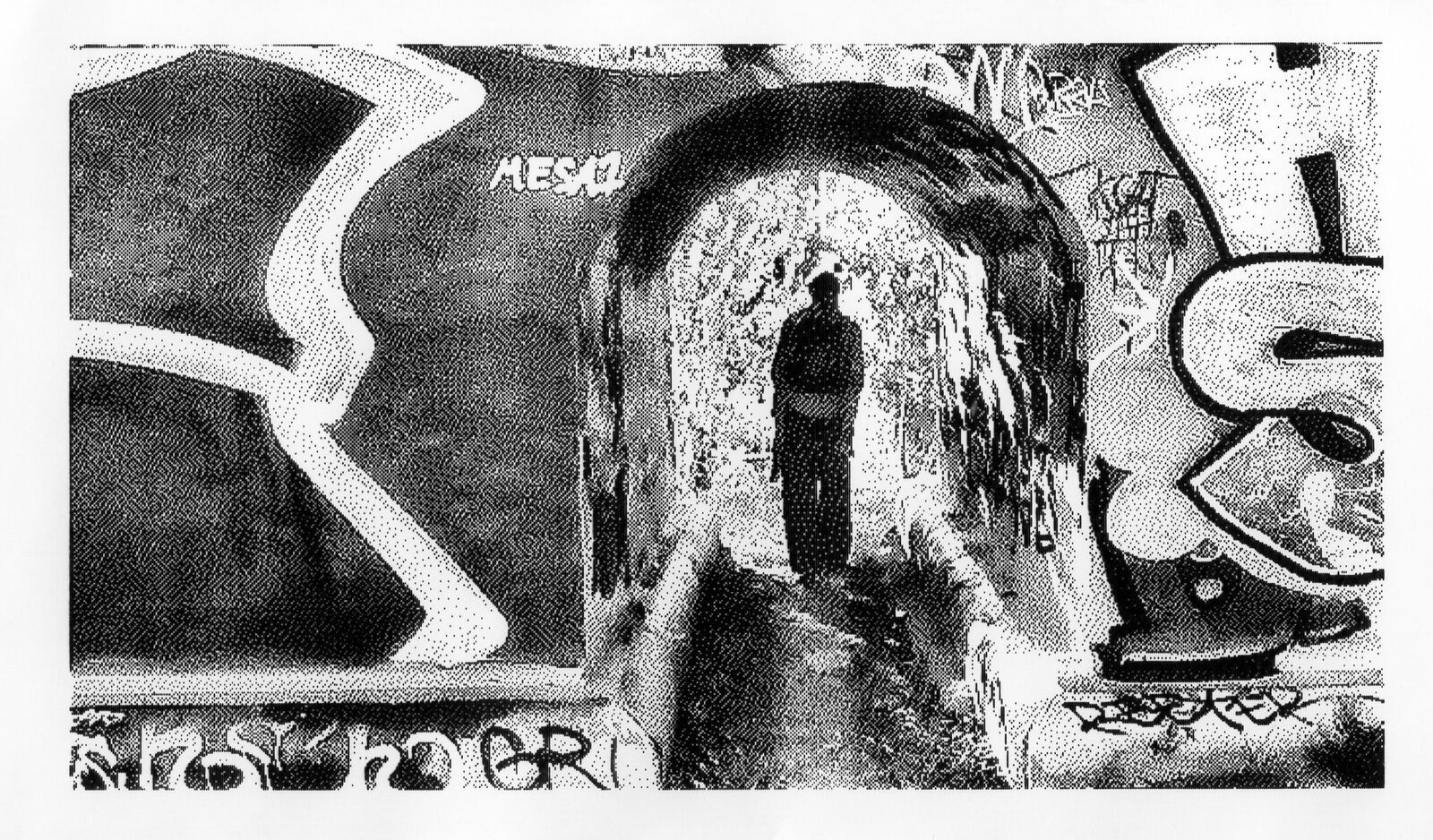
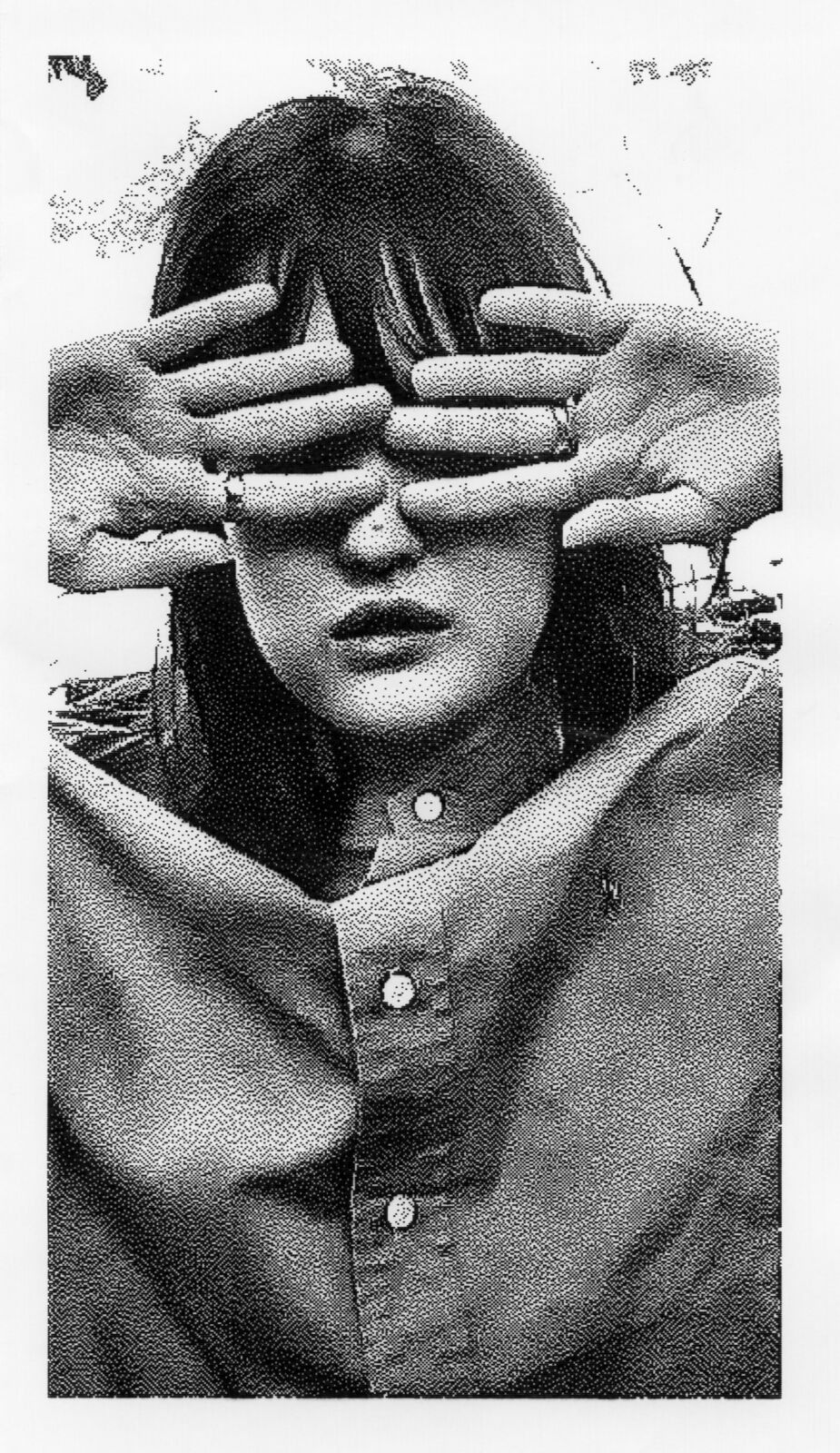
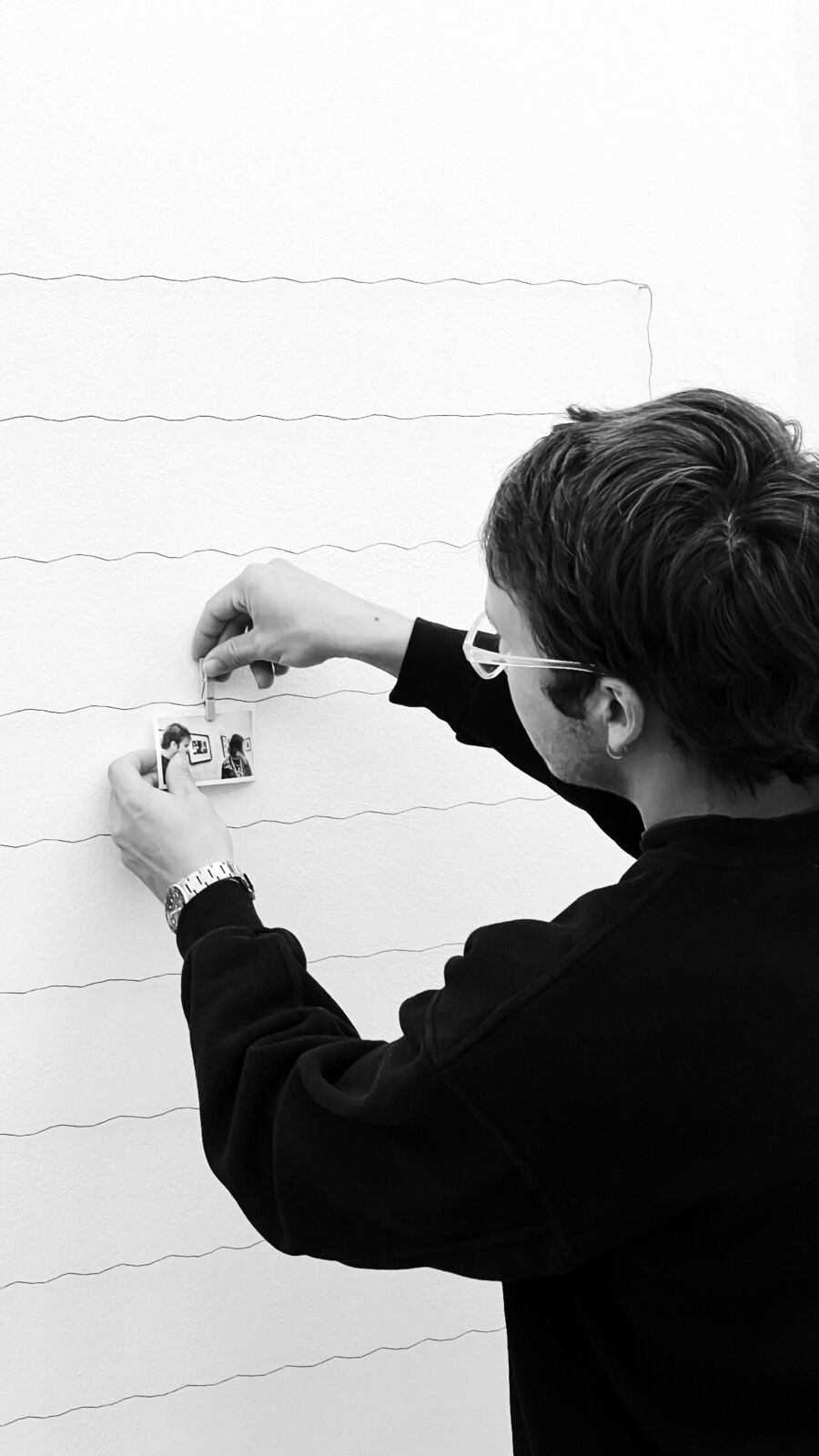
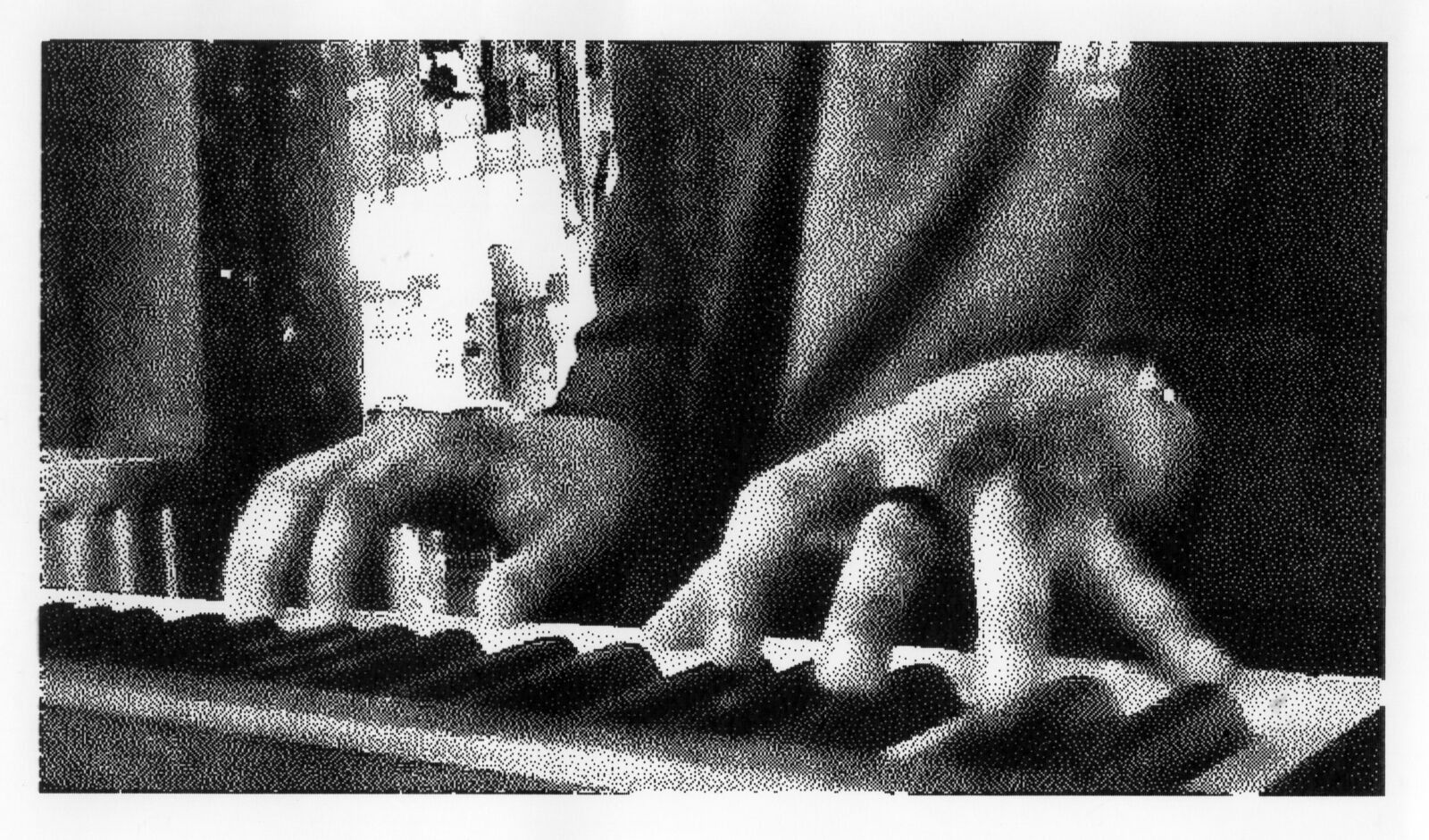
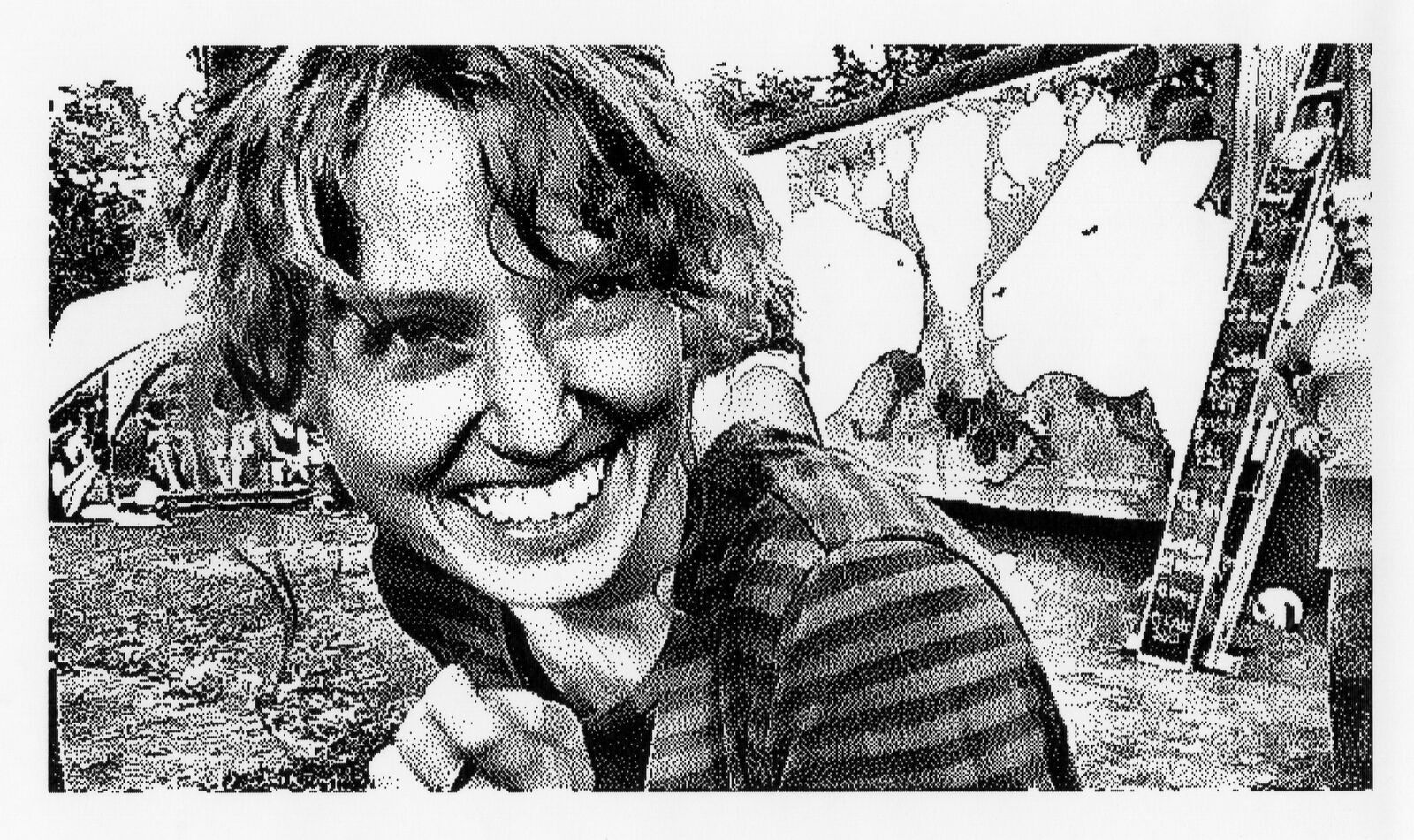
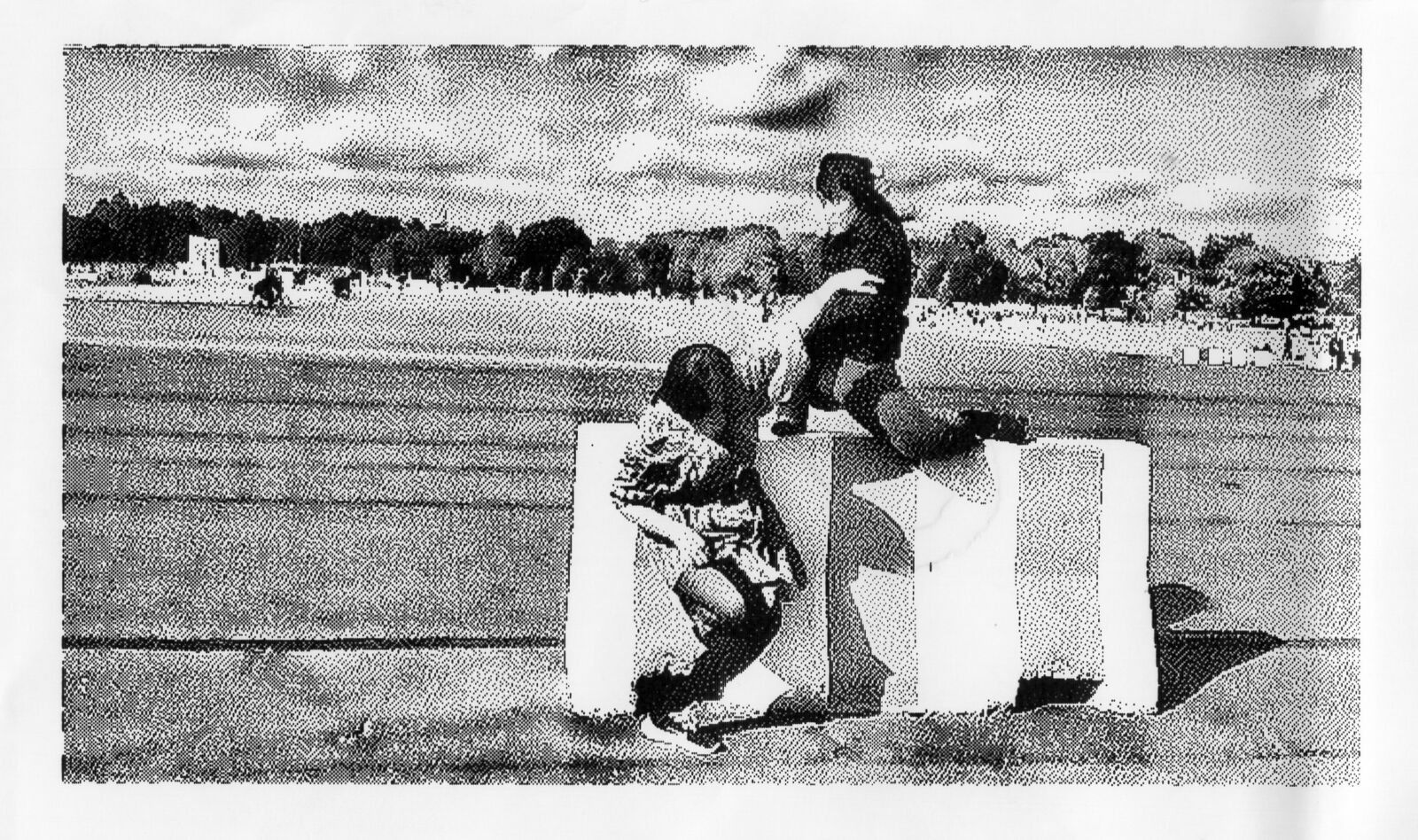
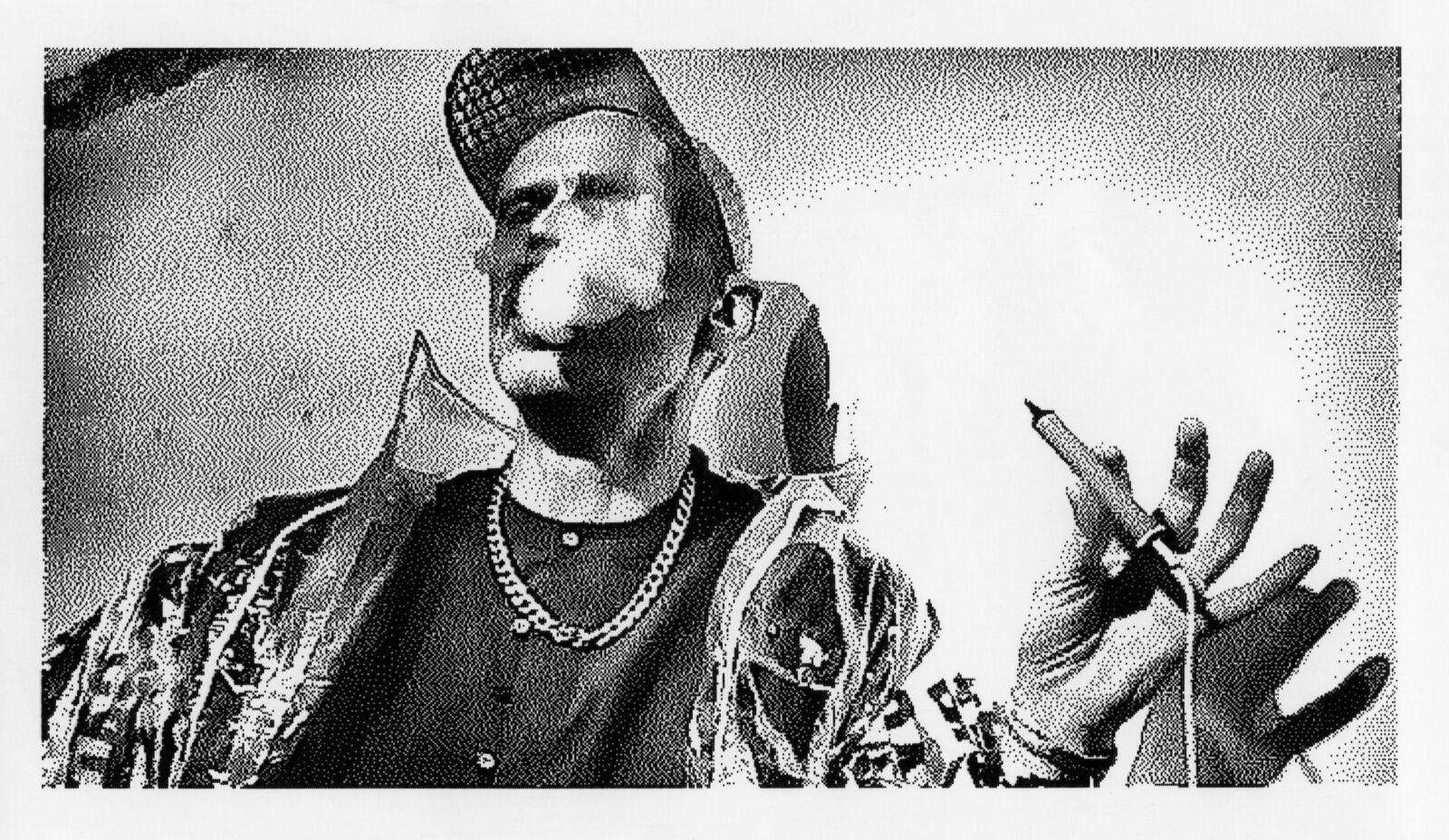
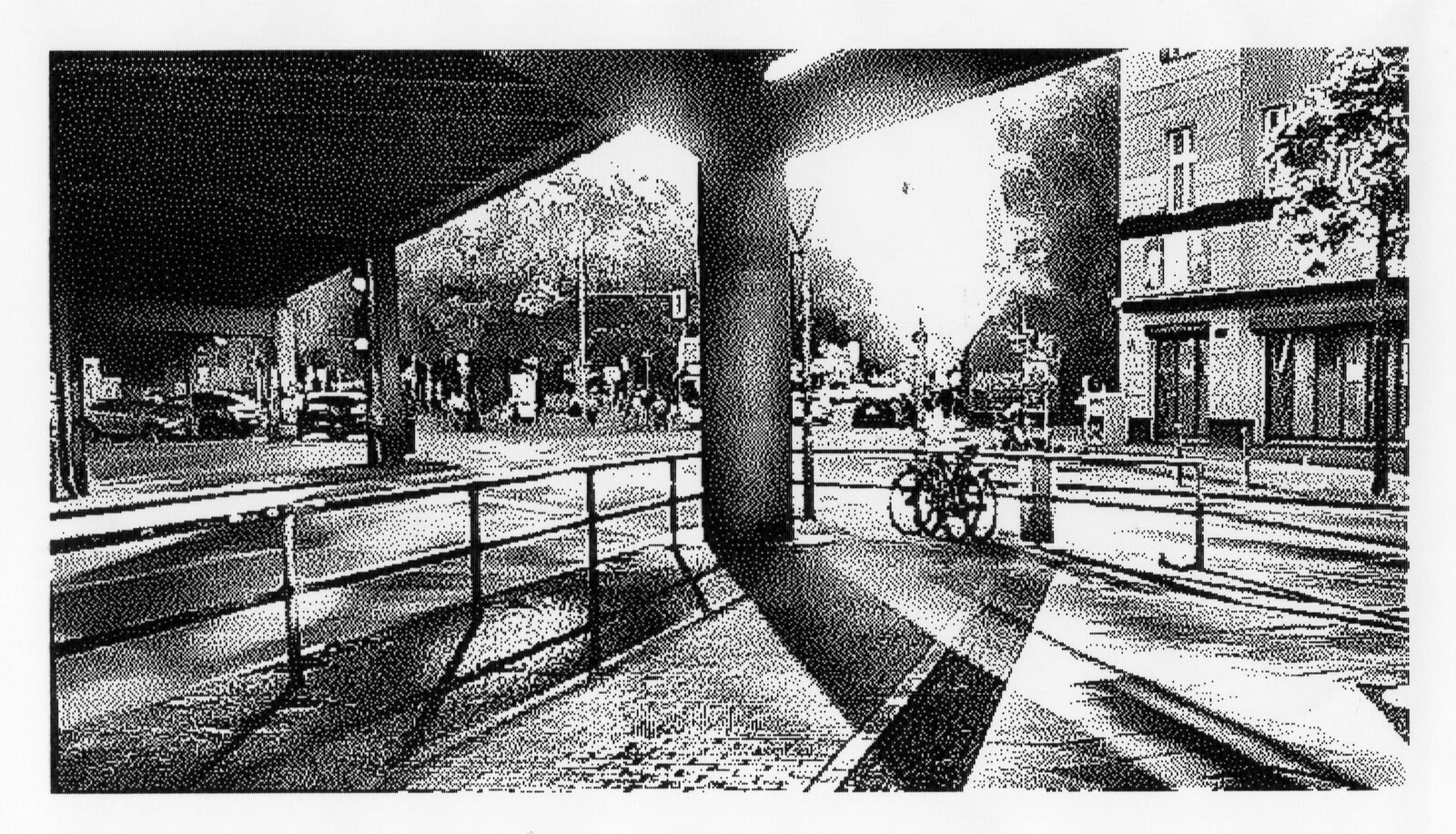
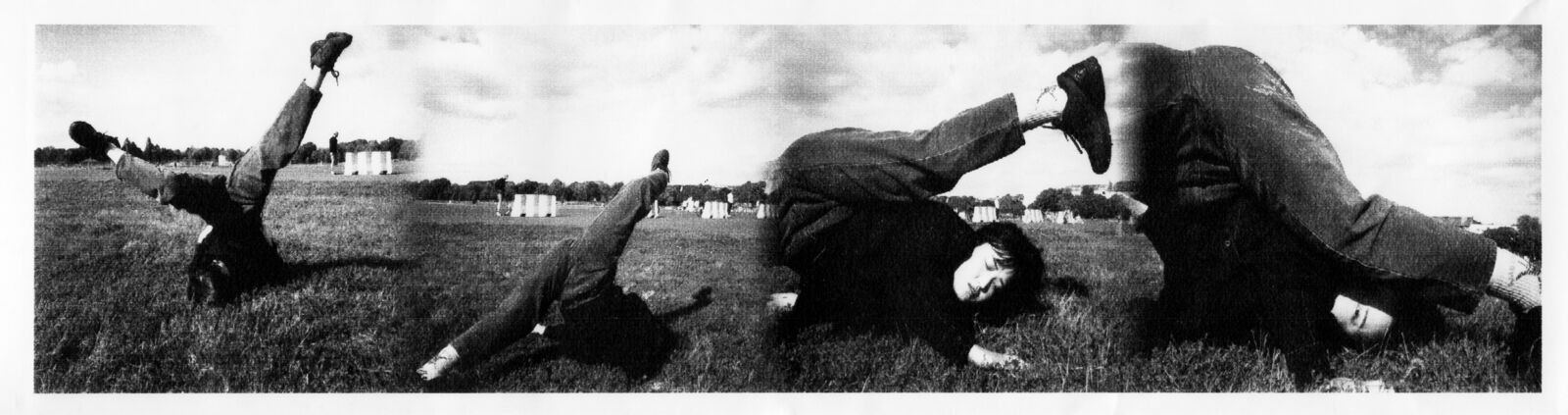
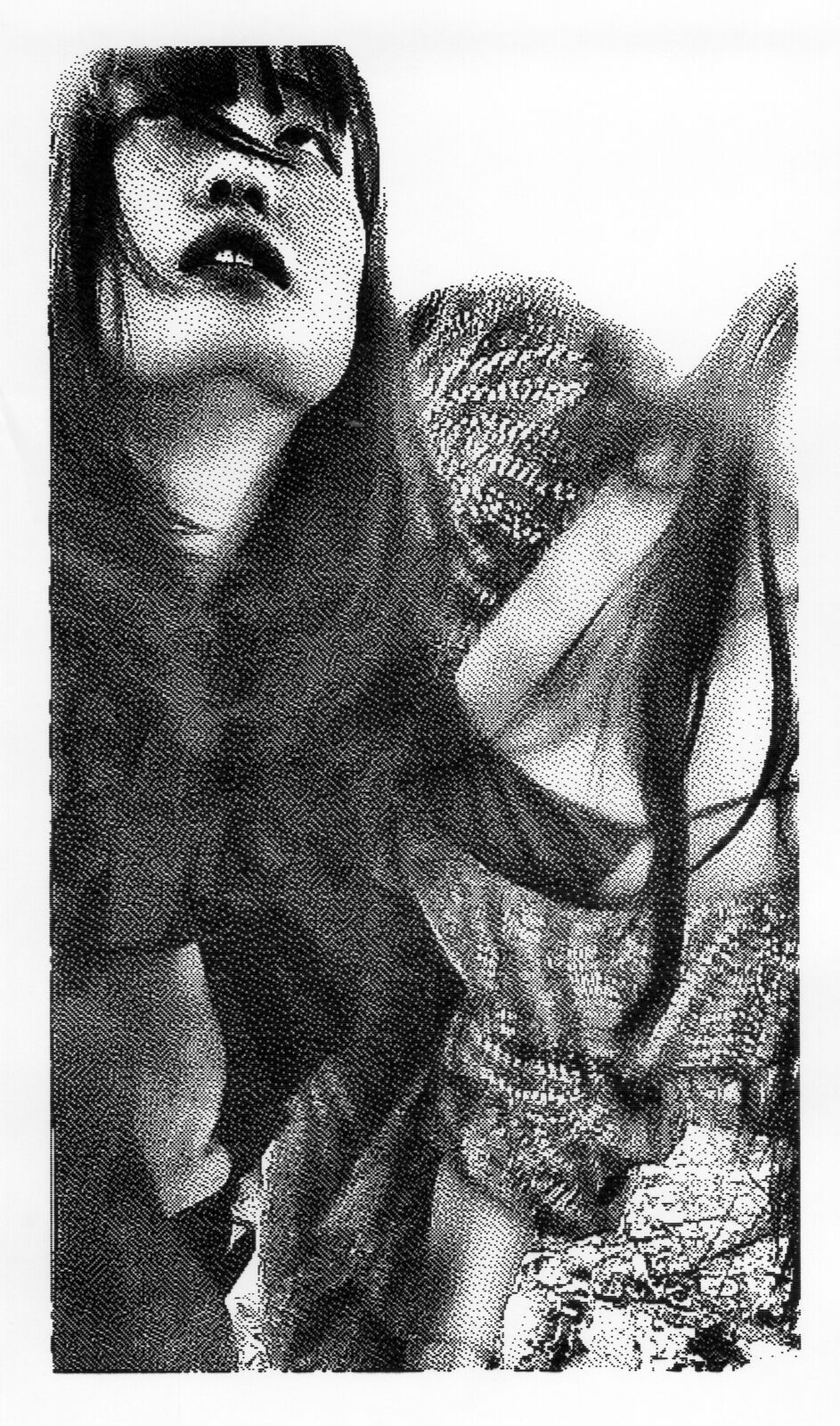
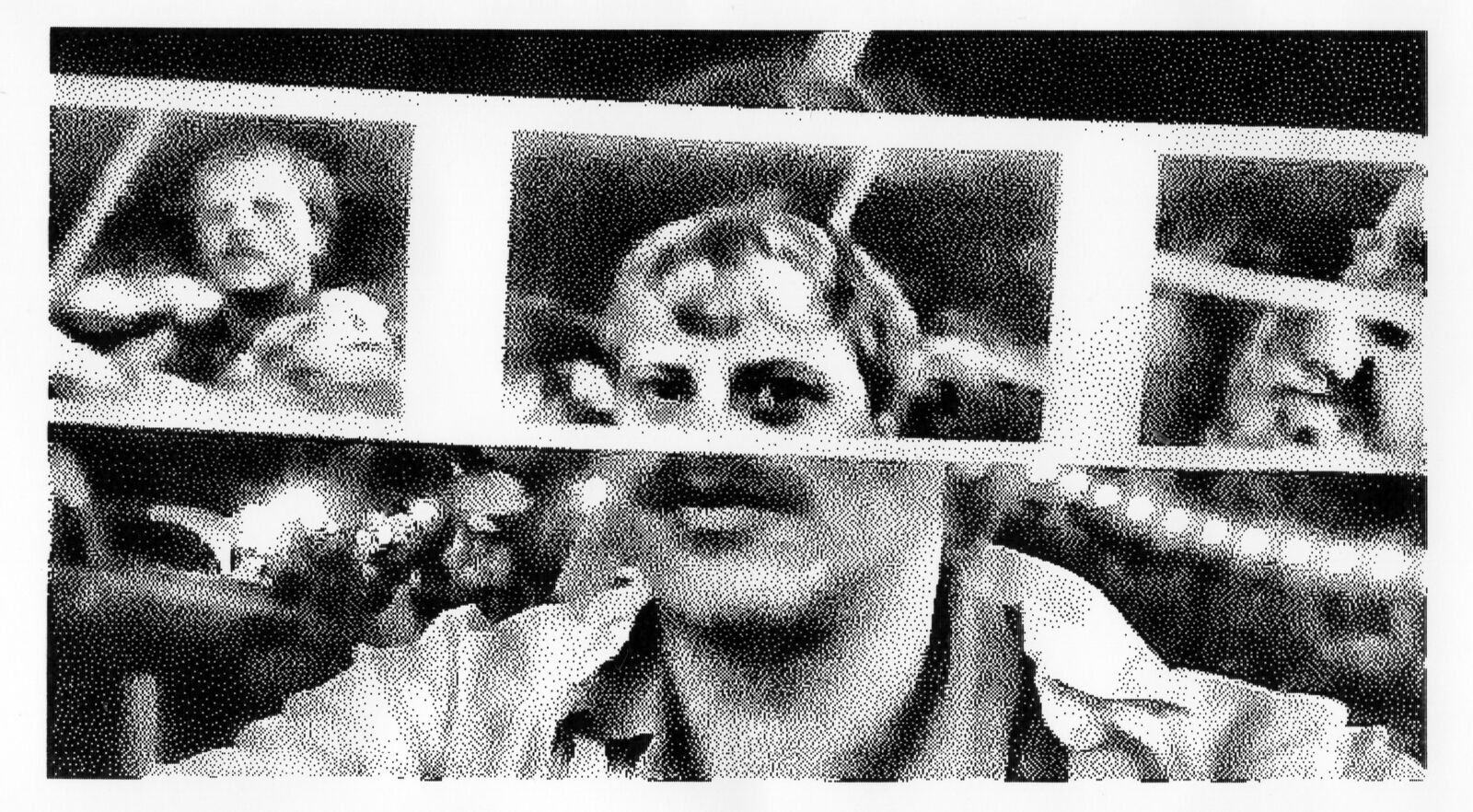
From the show
From the show
From the show
At Frida Bobby Galerie
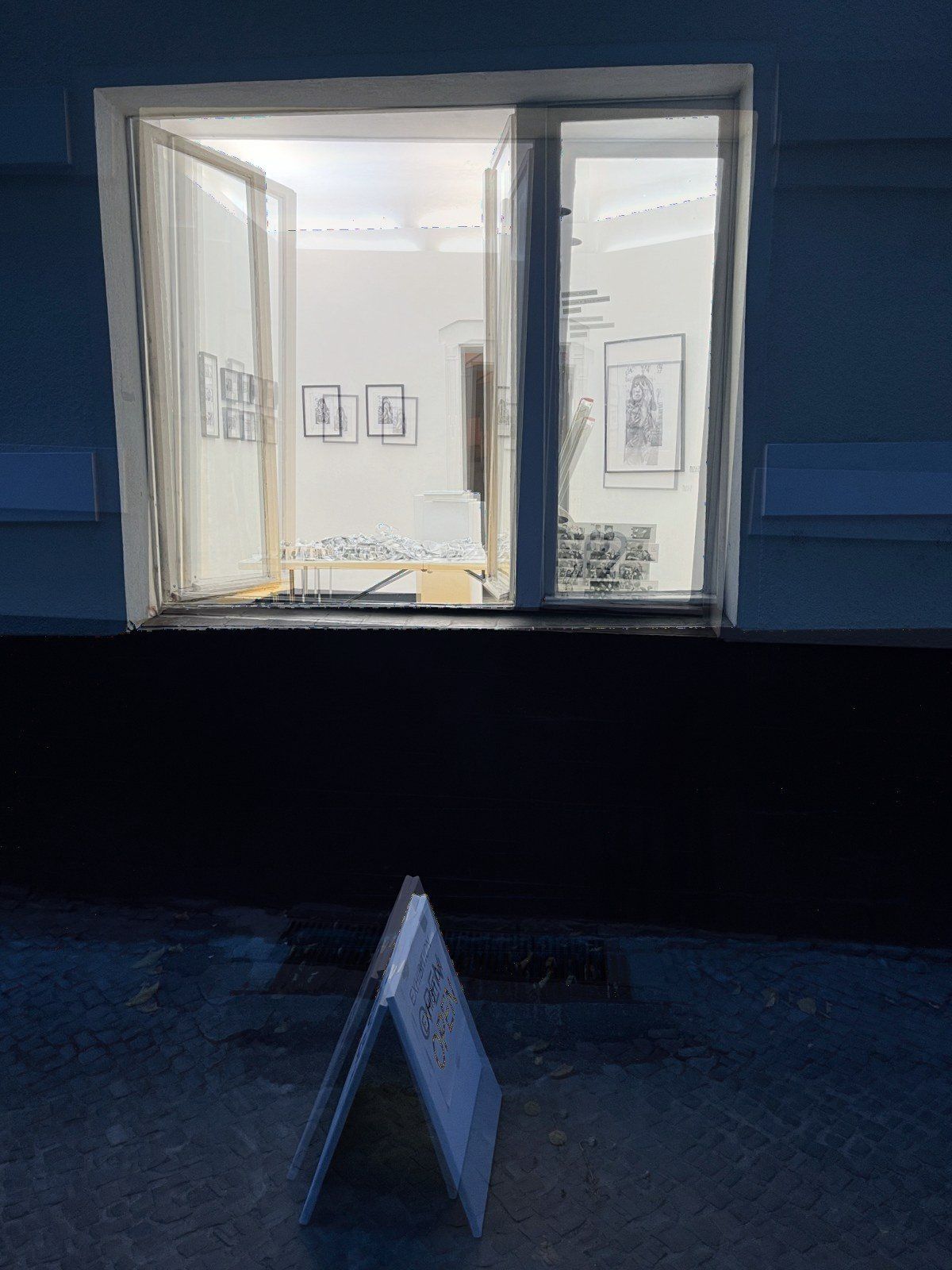
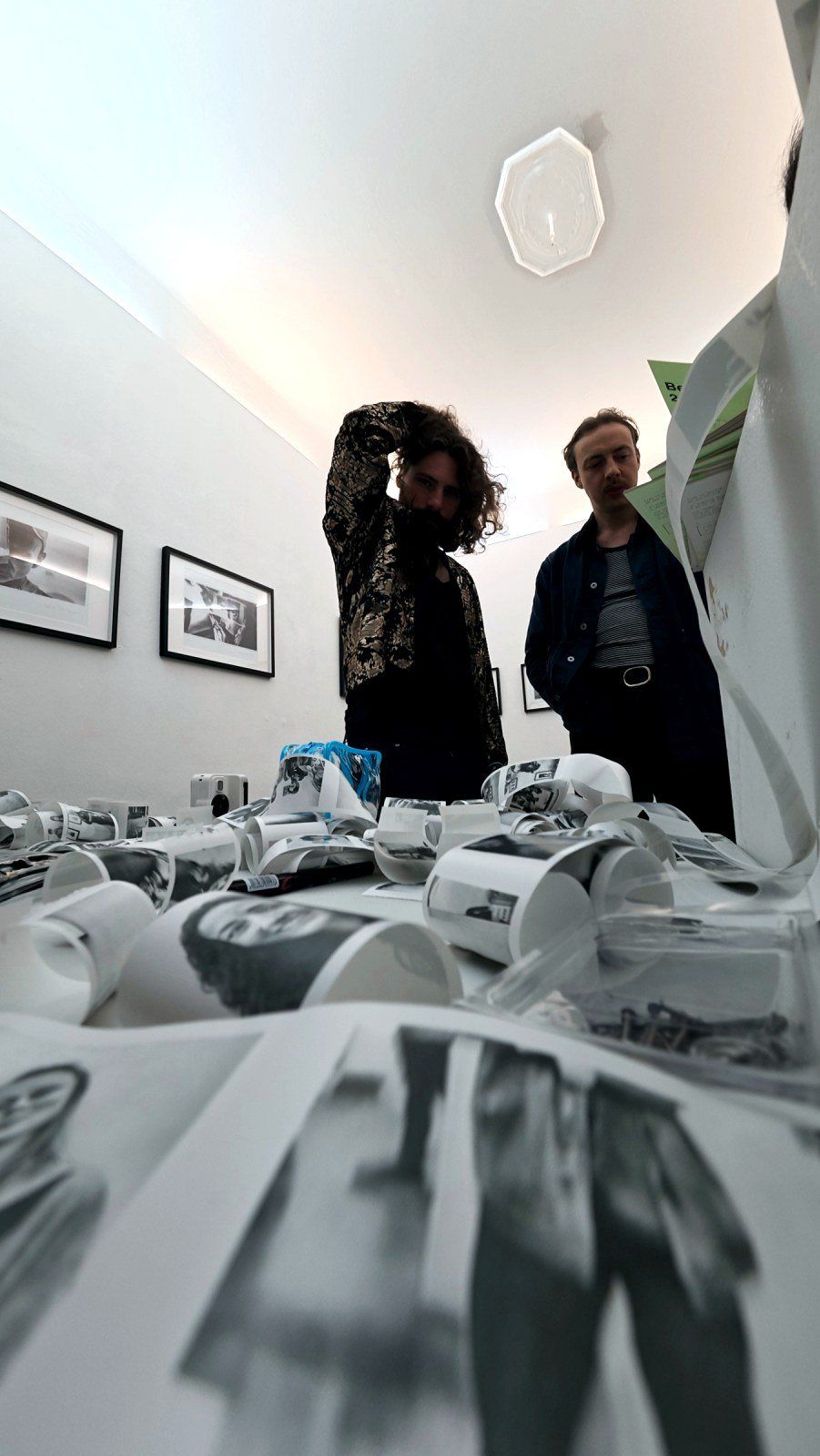
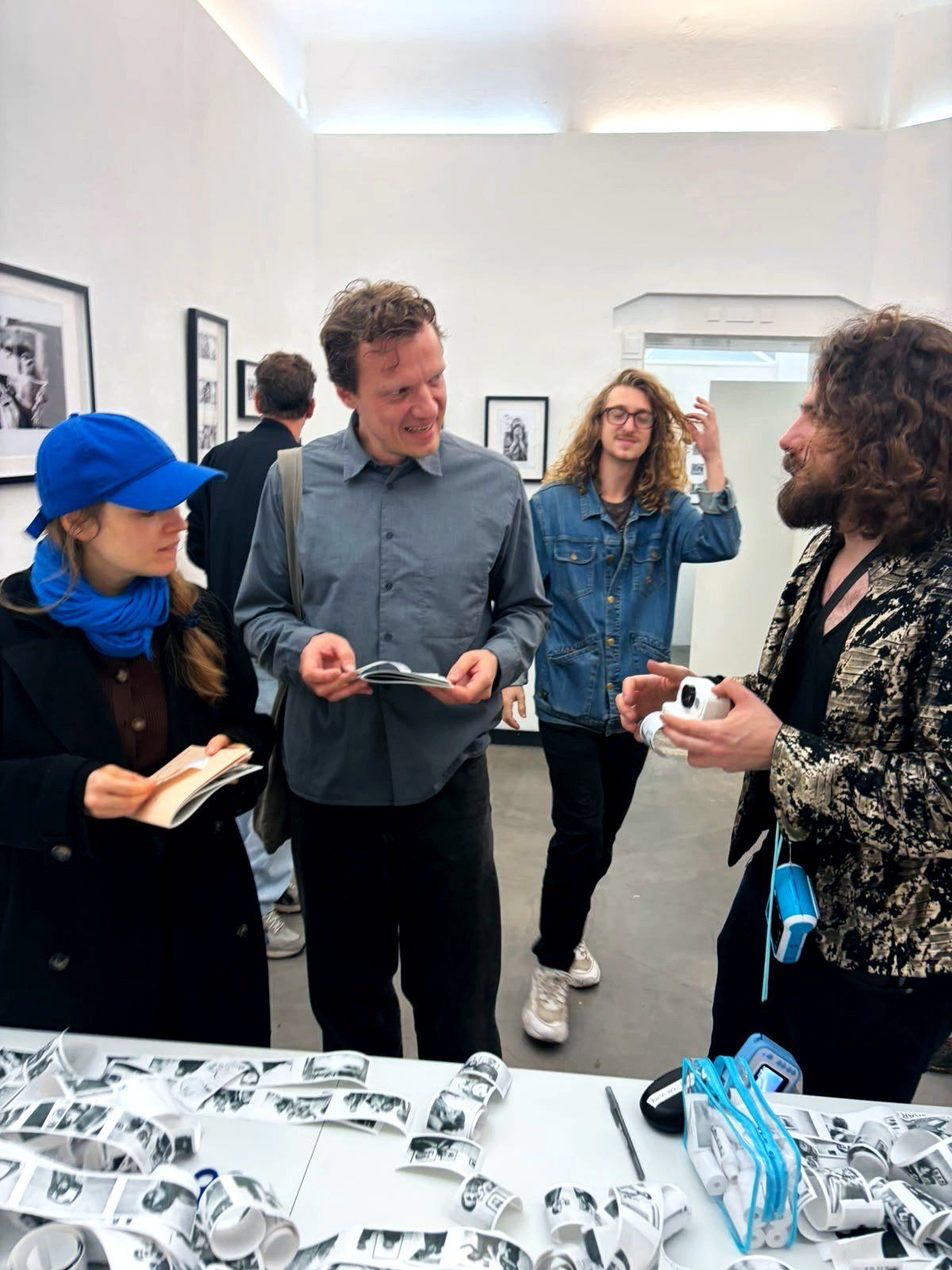
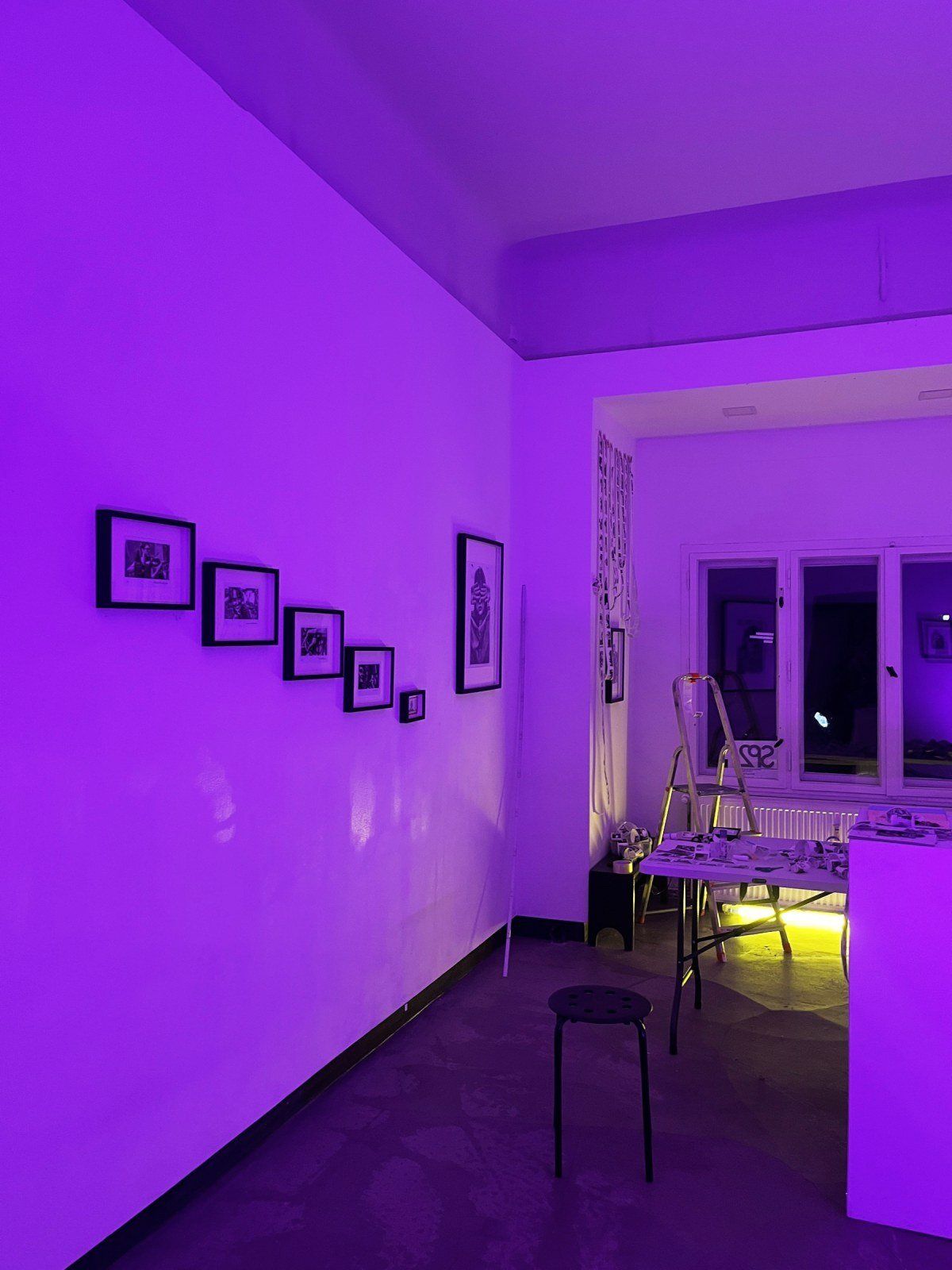
The room from opening night to the last strip, at every hour. Photographs by me unless credited.
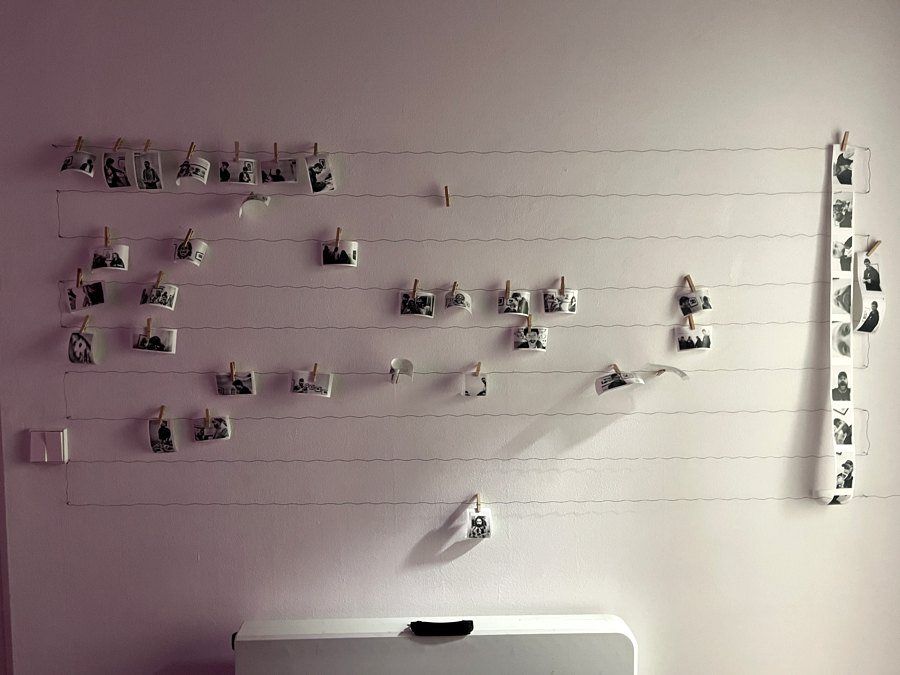
Where the portraits went
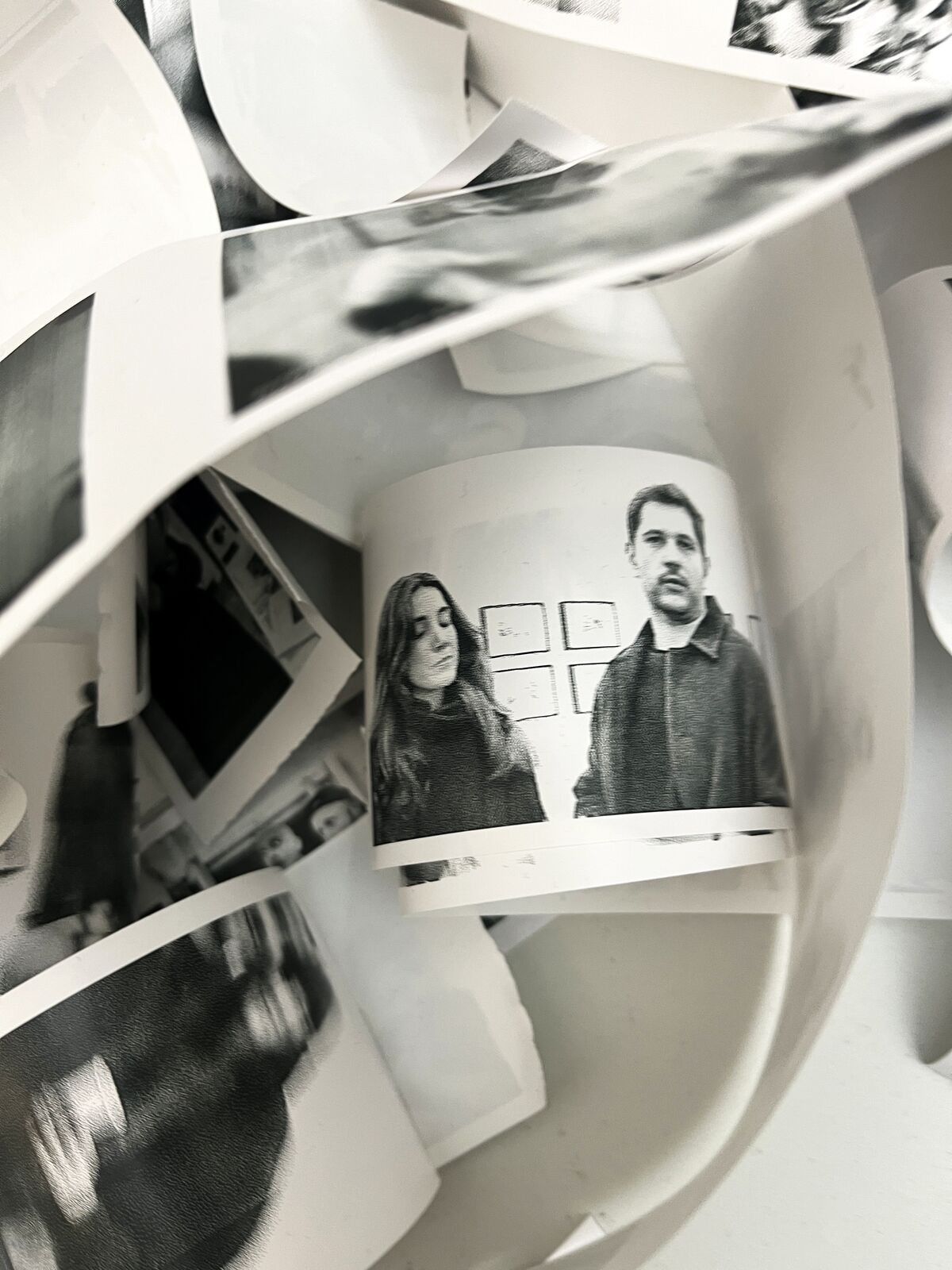
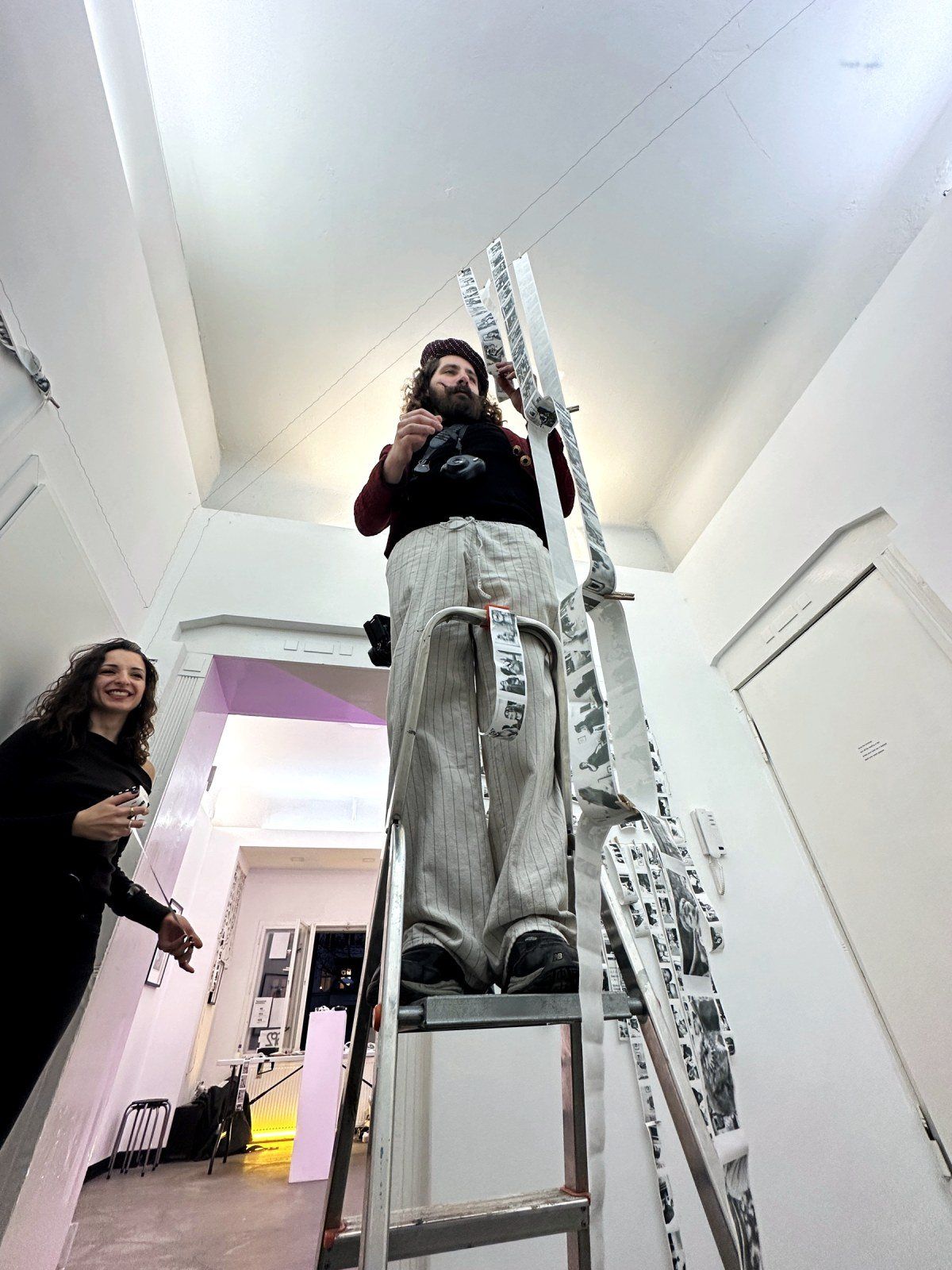
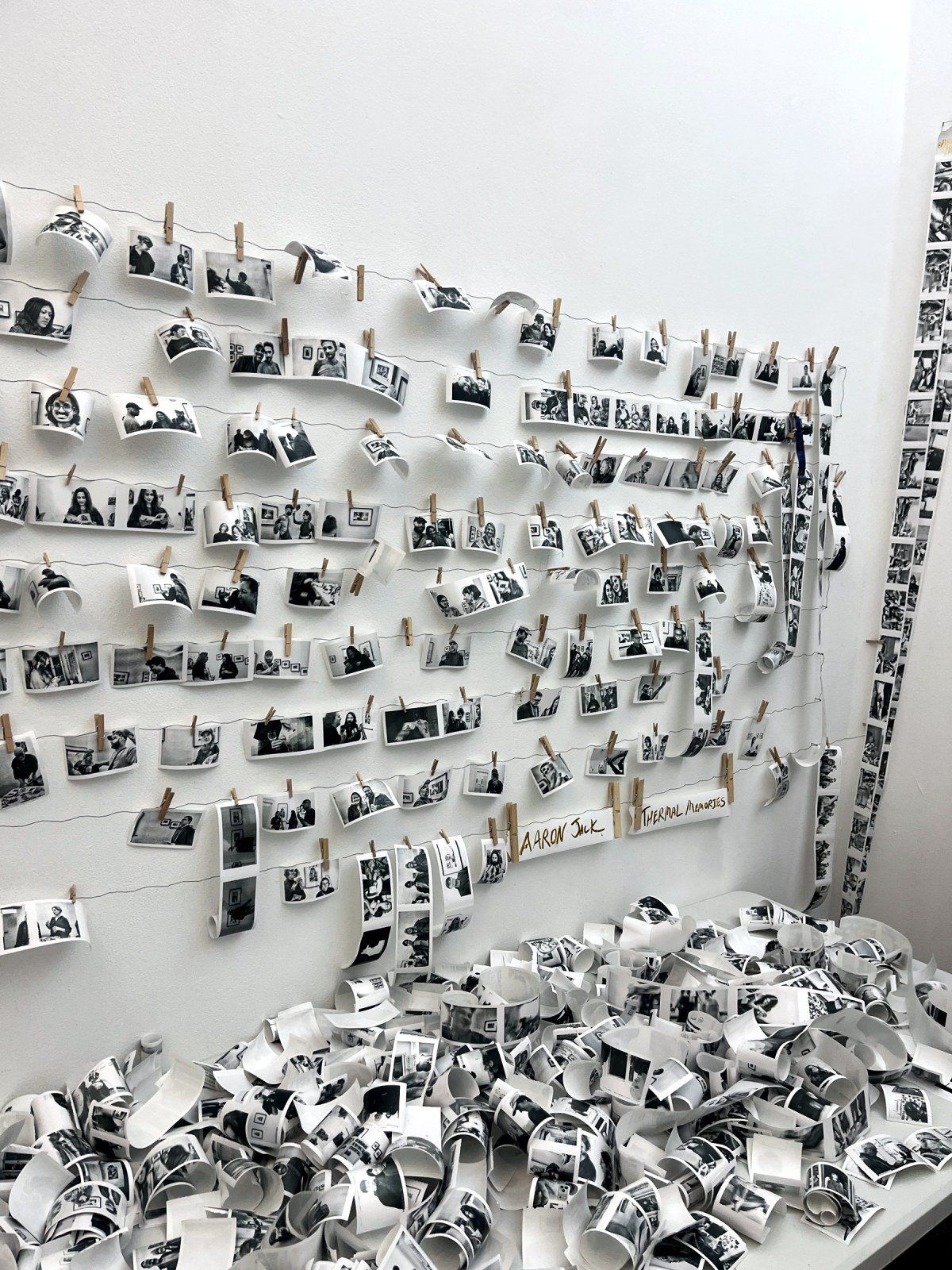
Two walls that kept changing through the show, and a full hanging sculpture.
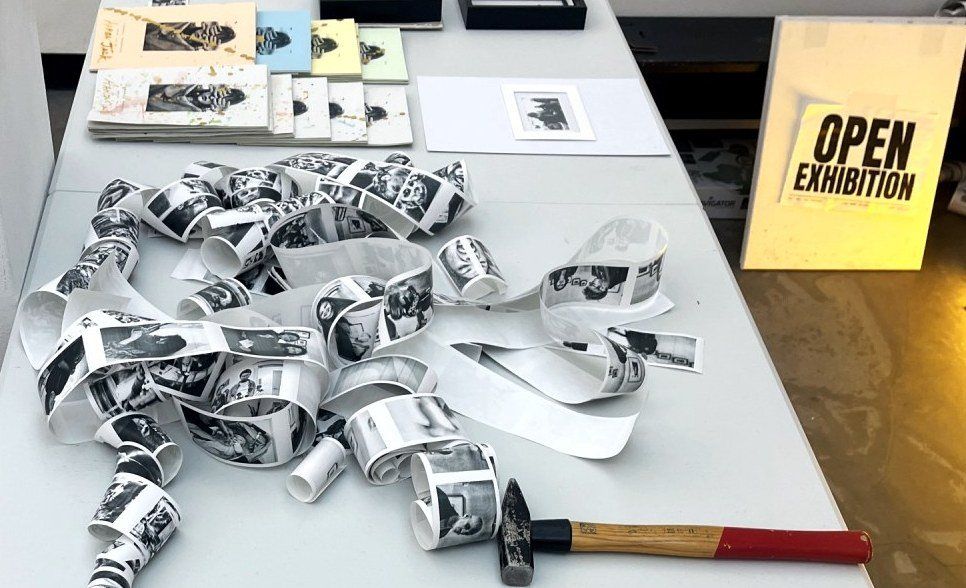
Most pictures went onto the tables, in piles anyone could look through.
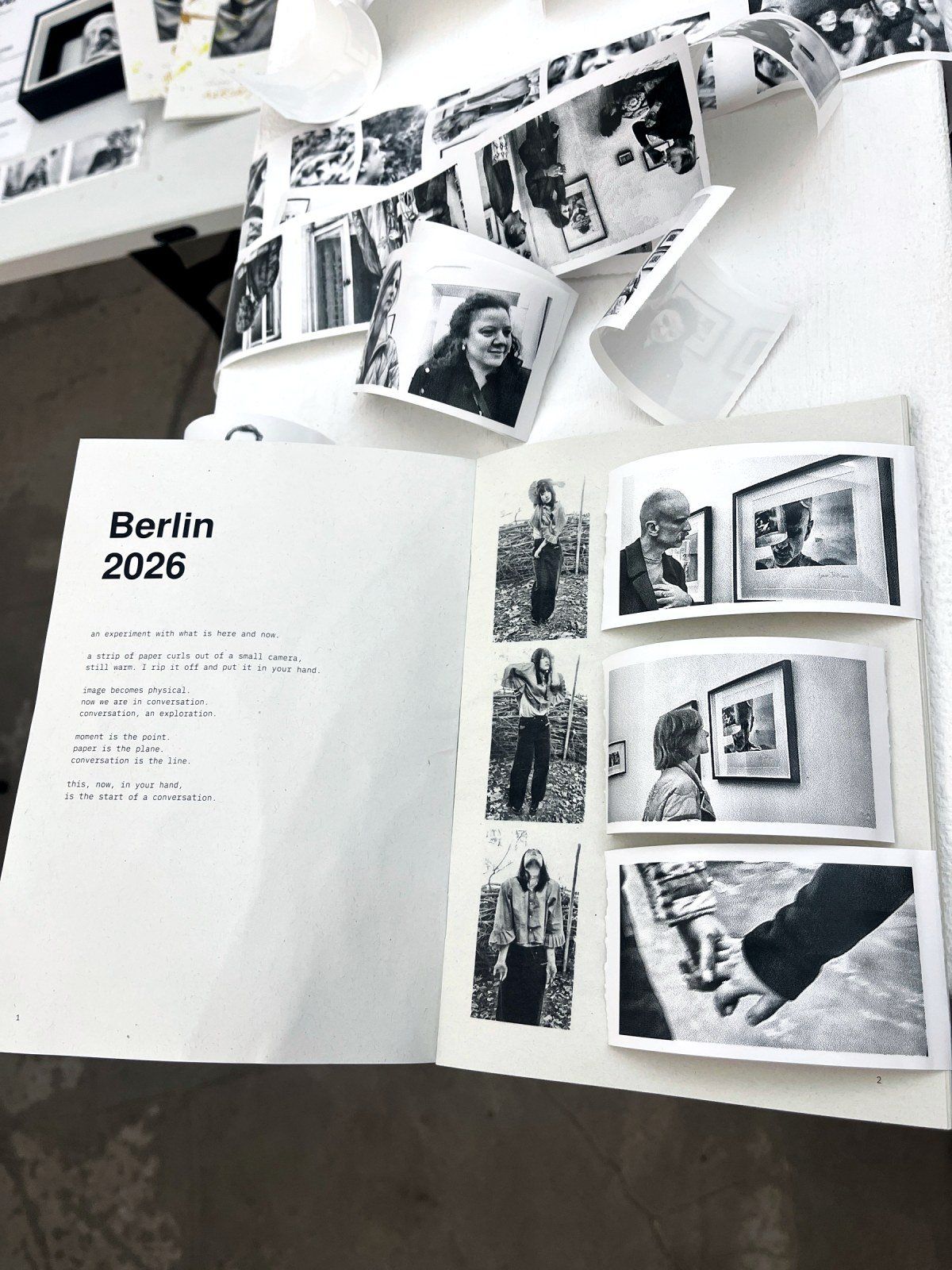
As bookmarks in people’s Thermal Memories books, or taped on the backs, so they could see themselves in the book.
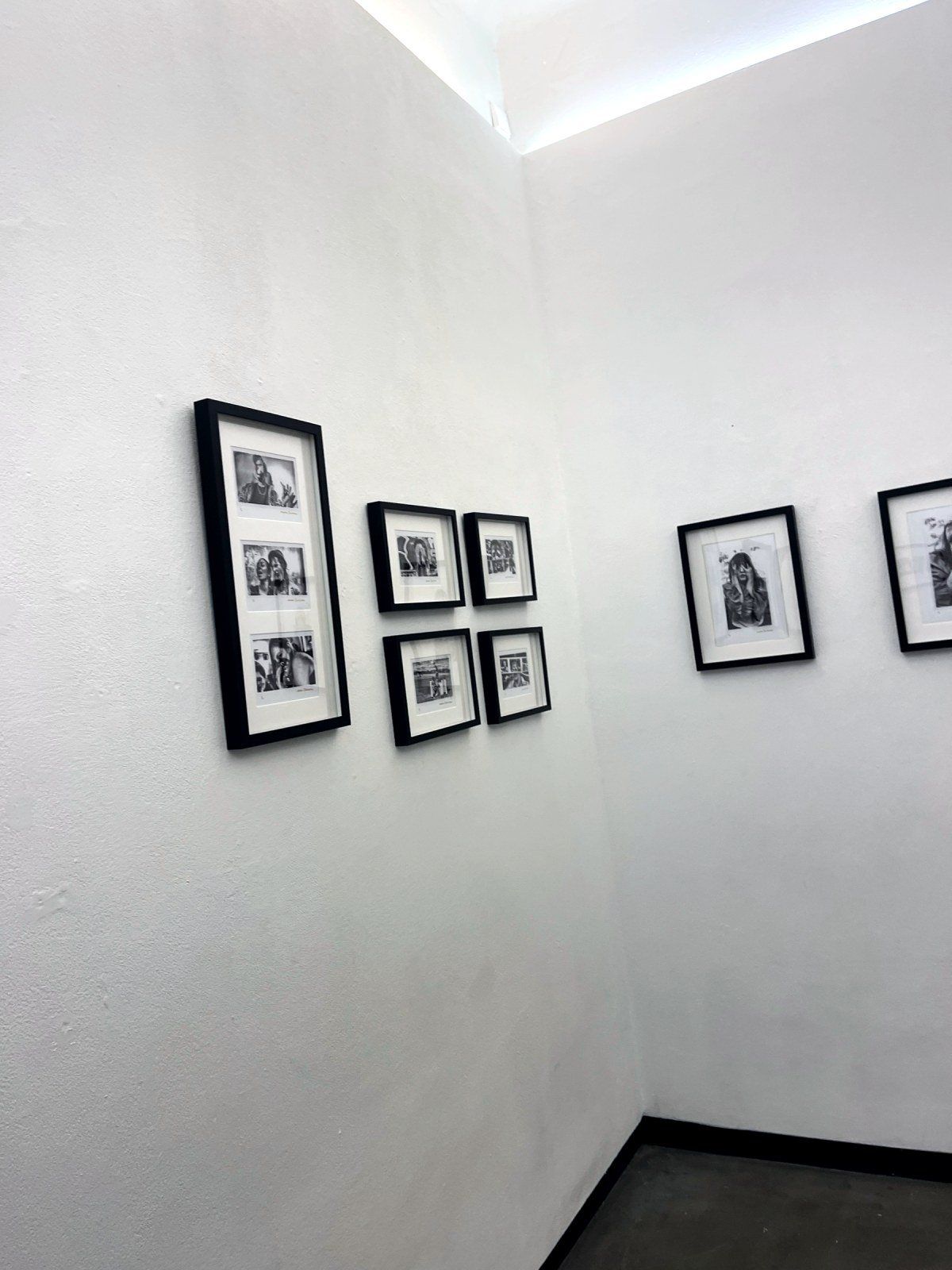
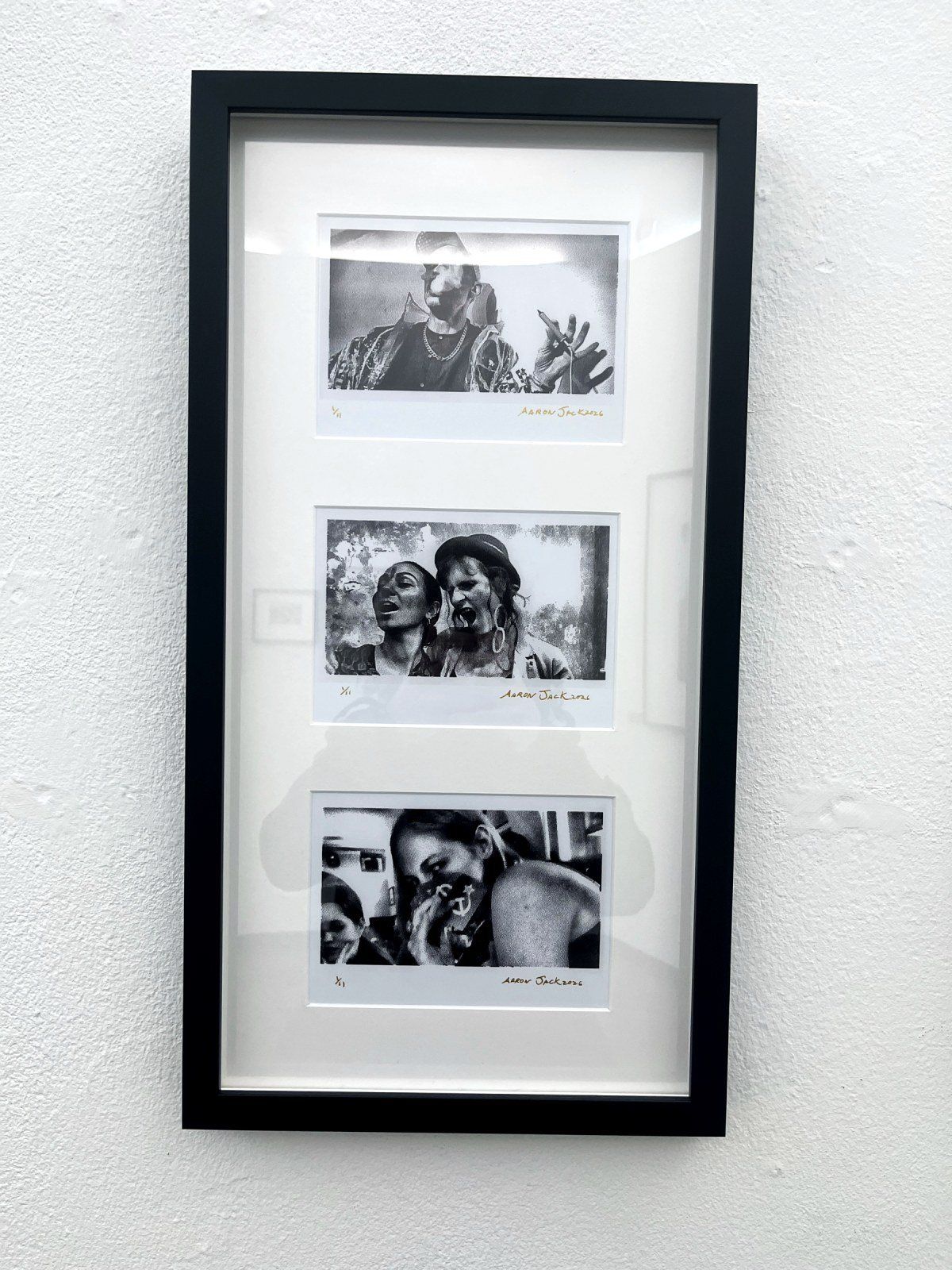
Some were framed and signed in mini frames, and some went home inside books.
Many people hung photos they found of each other in the piles on the tables. They chose not just pictures of themselves but of people they had never met, so they could see the larger community from a day, or many days, before.
How a portrait happens
How the show unfolded
From the first strips in the trees to the wall the morning after.
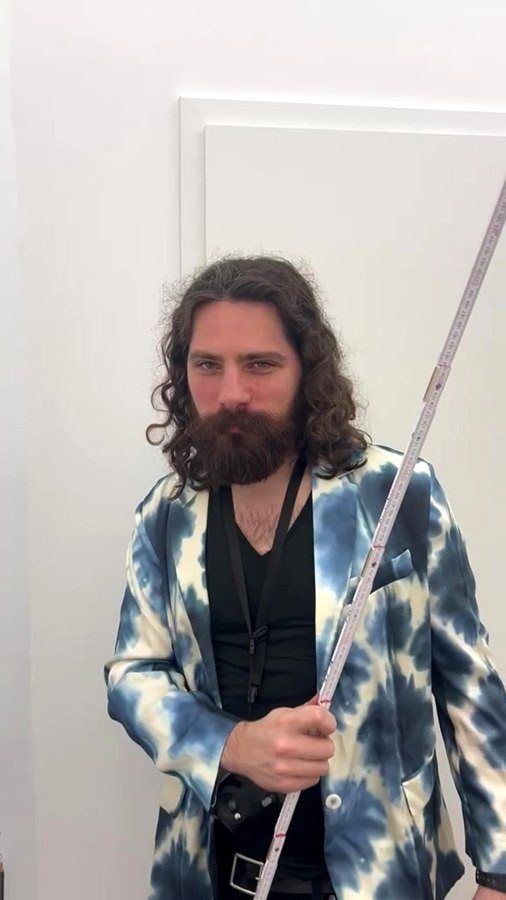
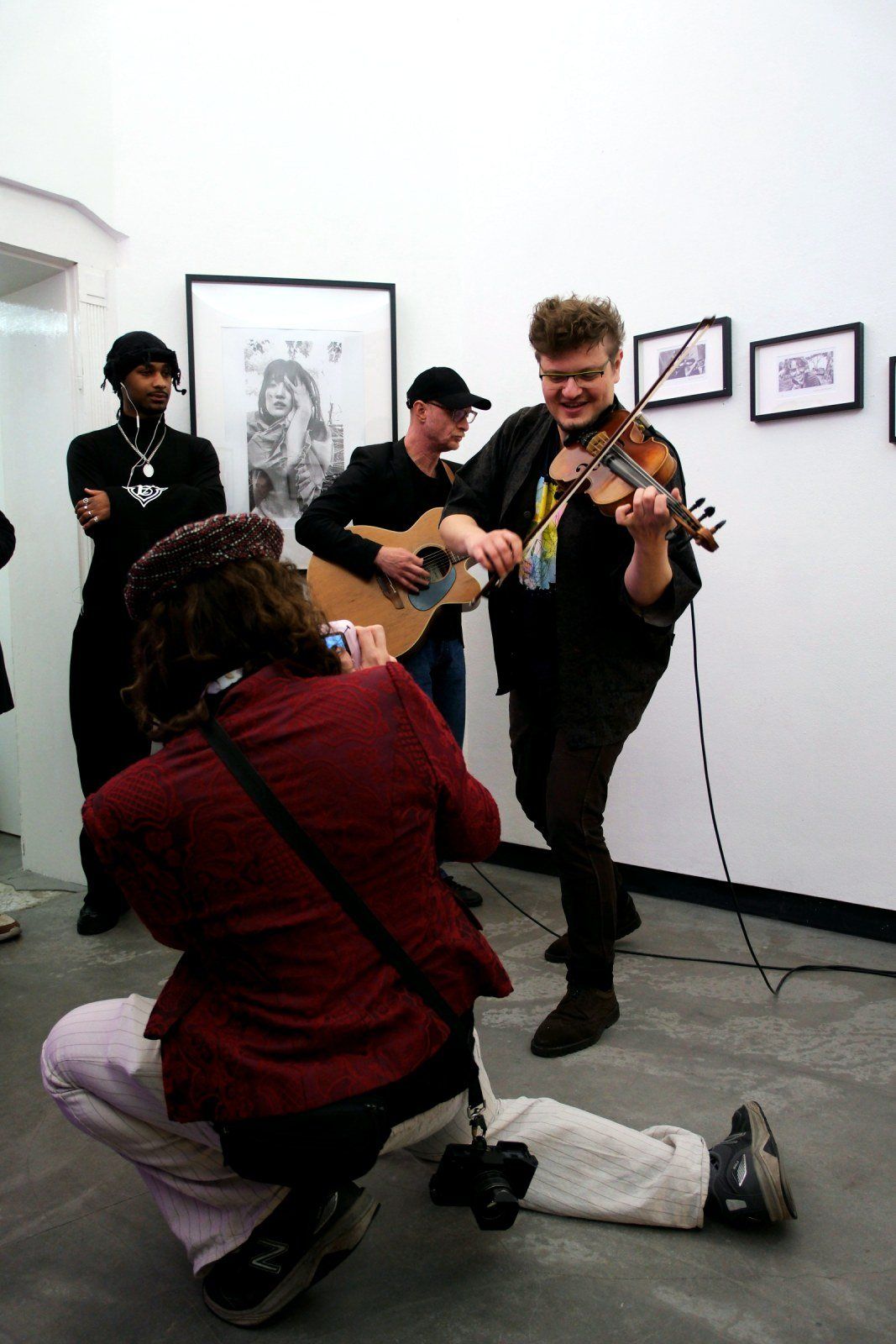
Danced, played, printed live.
It opened with a dance in the window. It closed with her wrapped in the photographs.
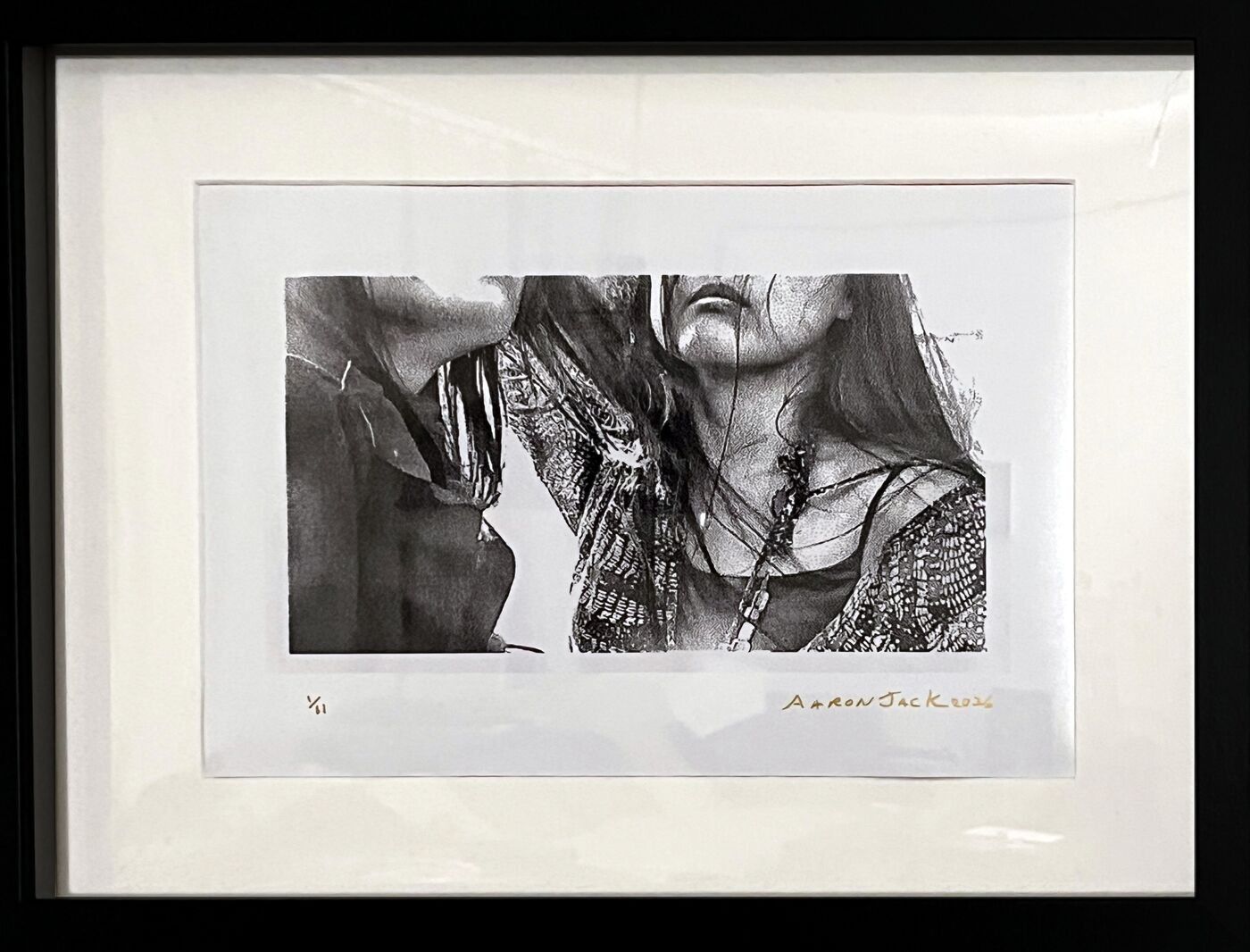
Framed and signed
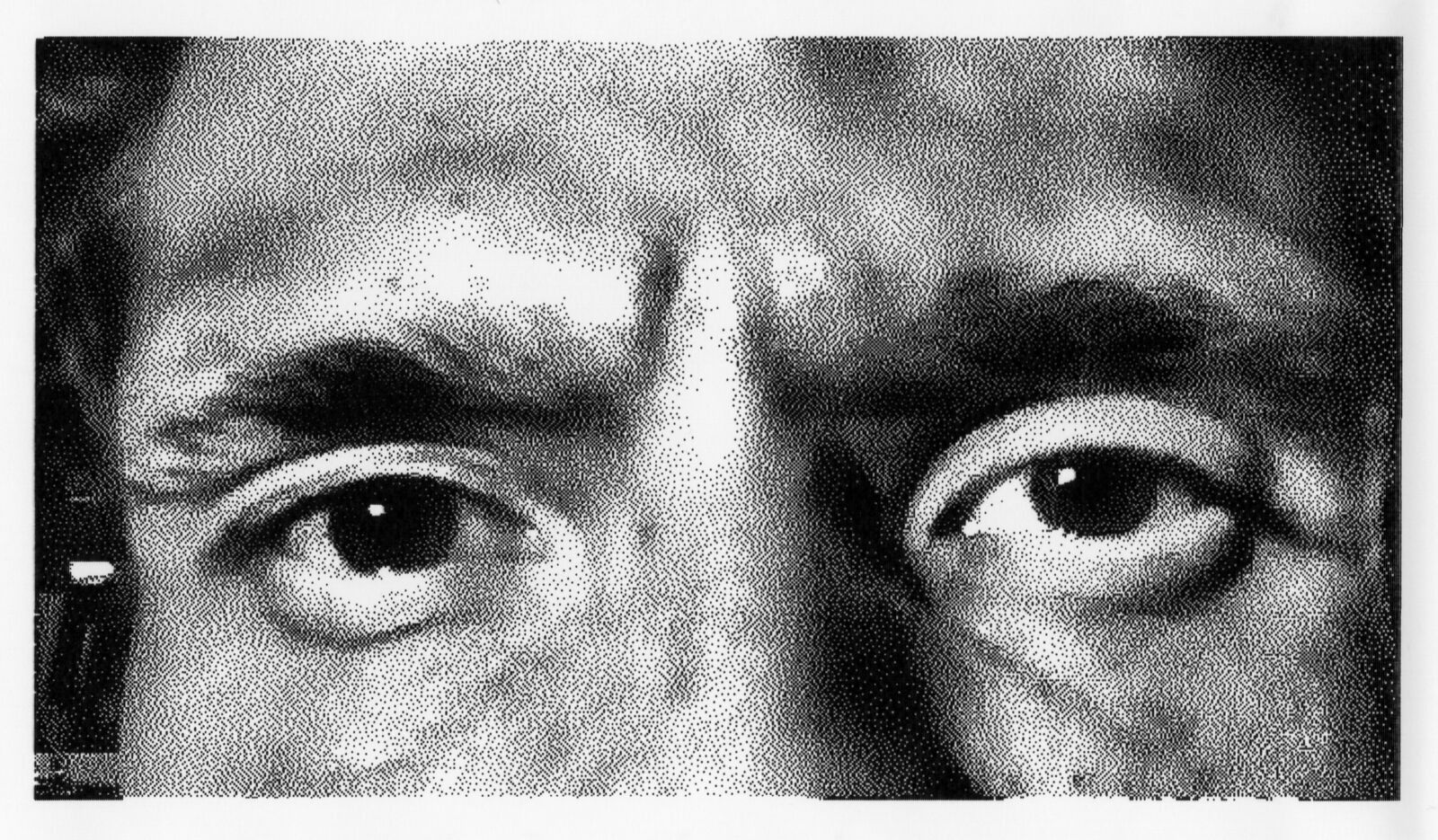
Small thermal prints, enlarged as archival pigment prints on Ilford Galerie Smooth Pearl, then matted, framed and signed in gold, hung beside the changing walls.
SEE THE AVAILABLE WORKS →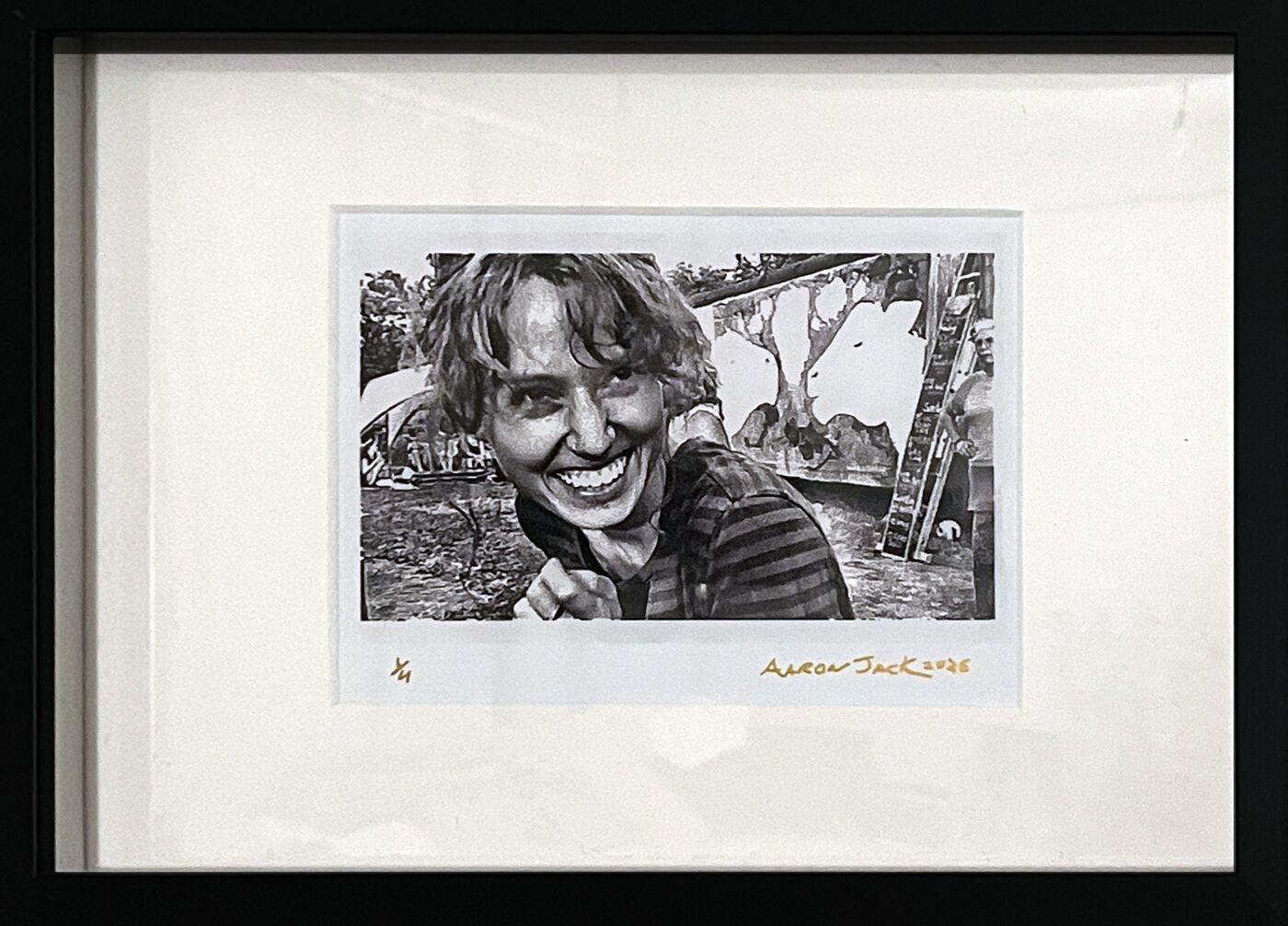
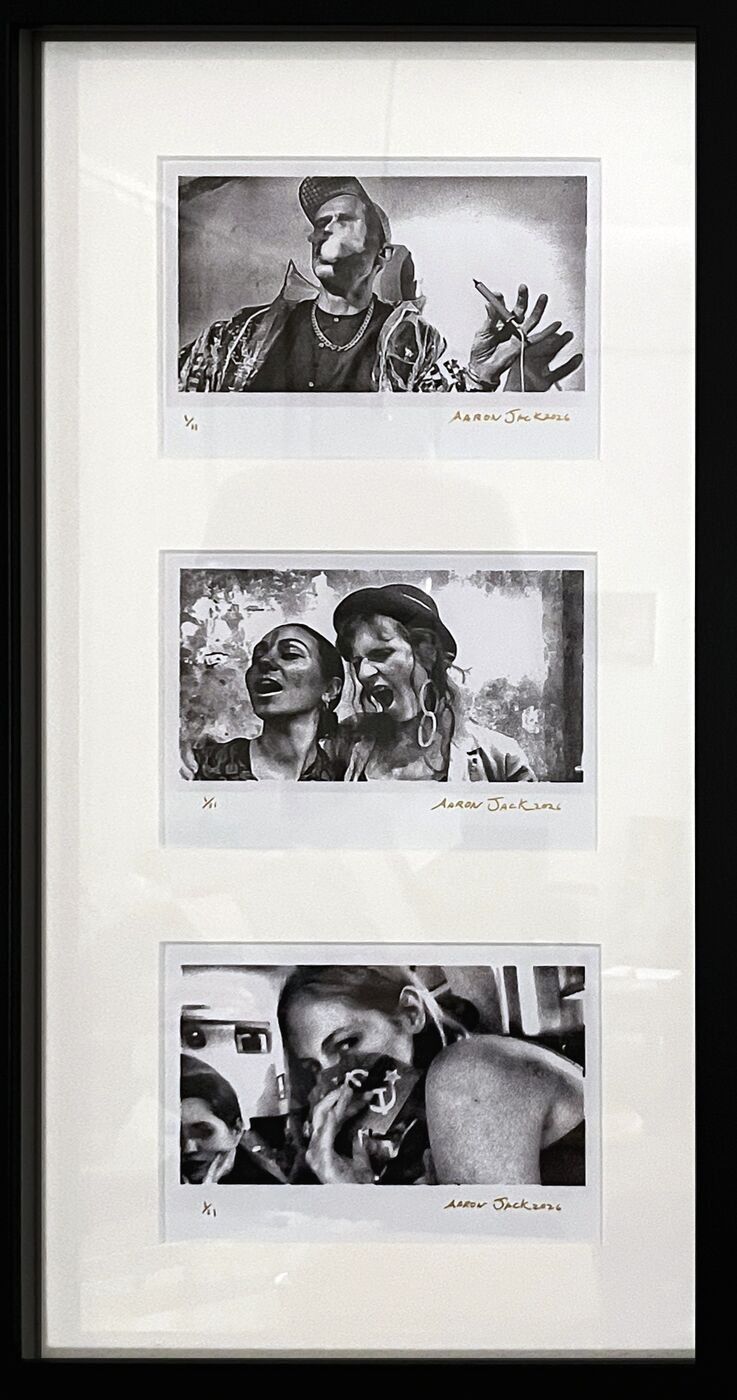
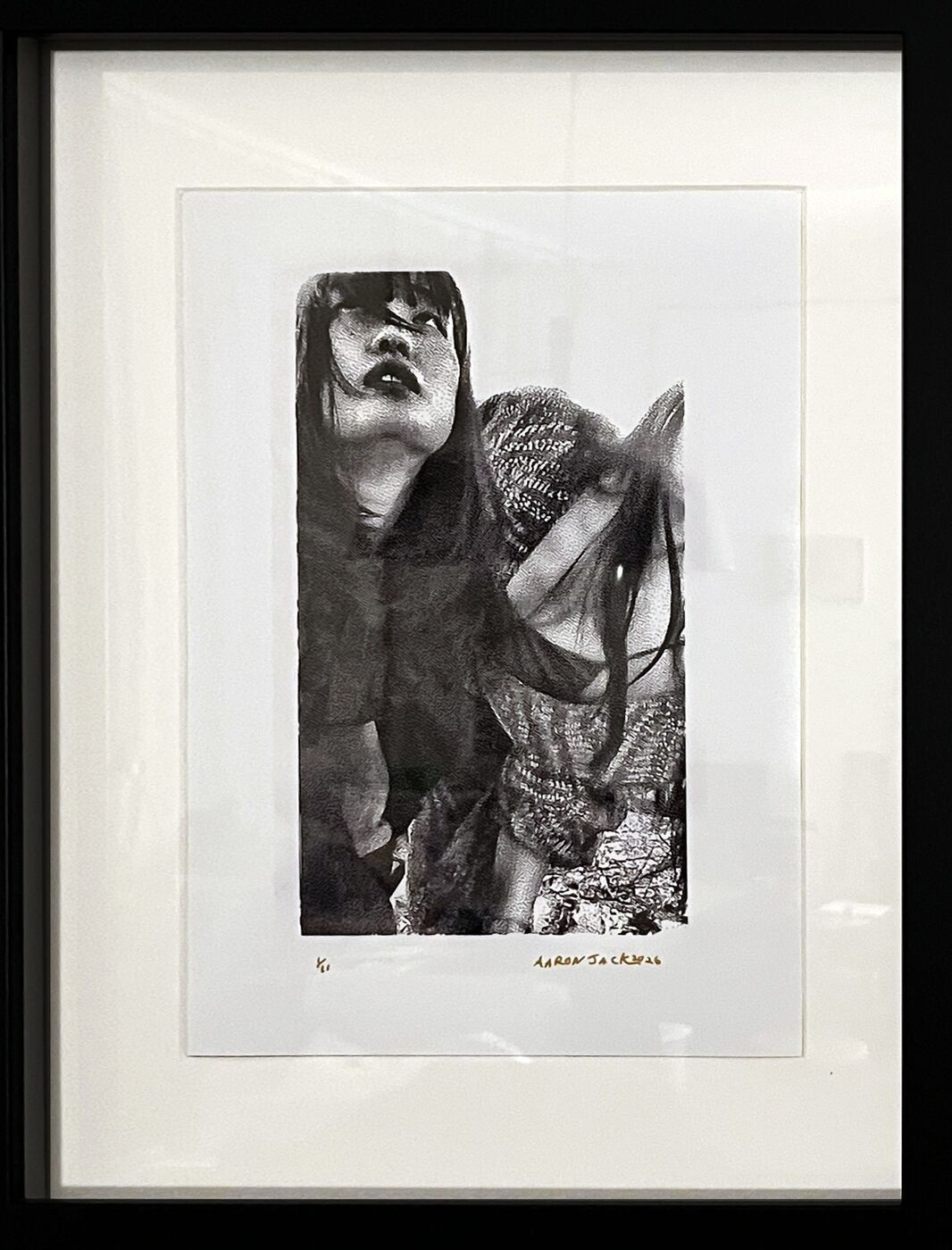
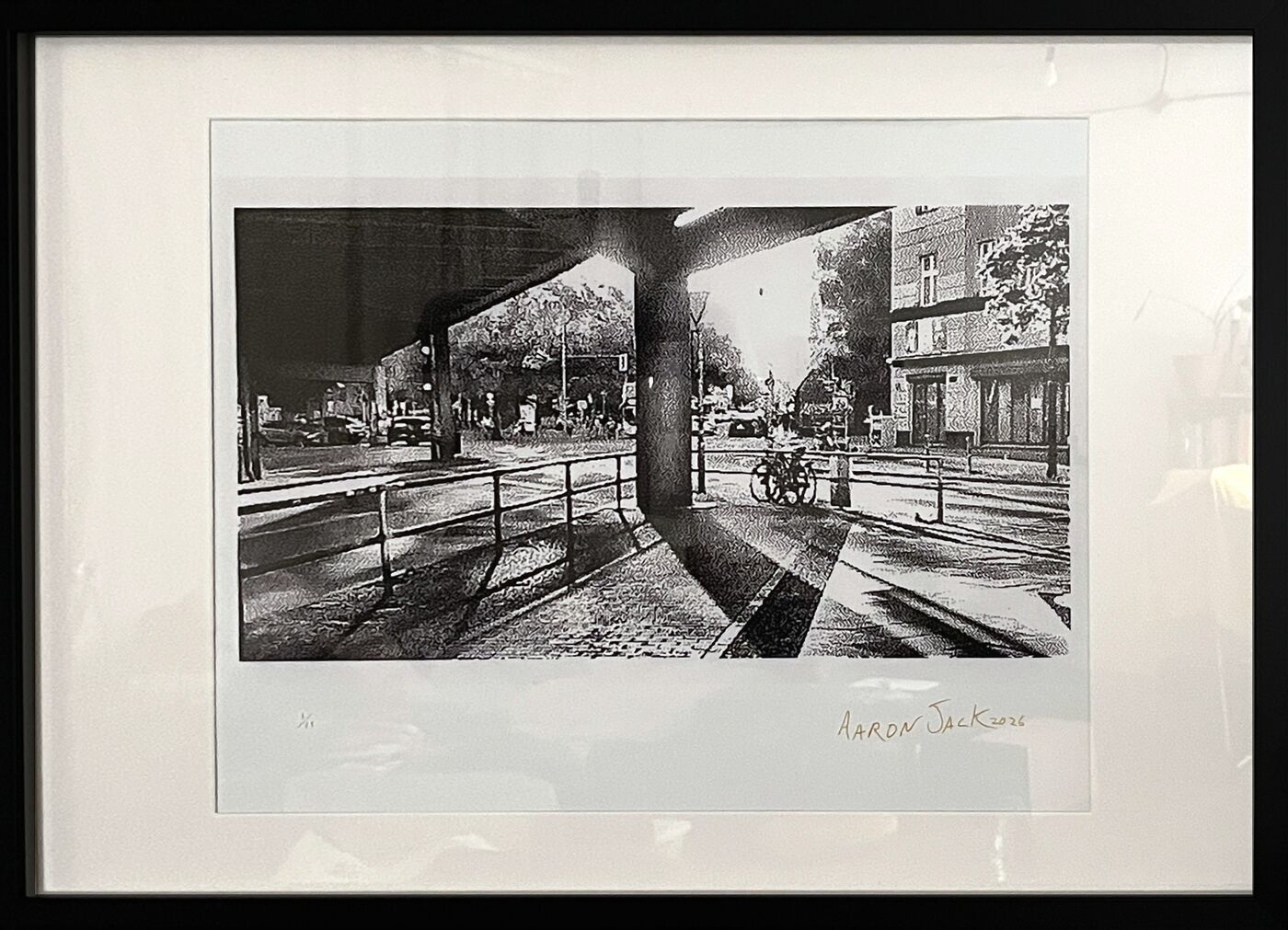
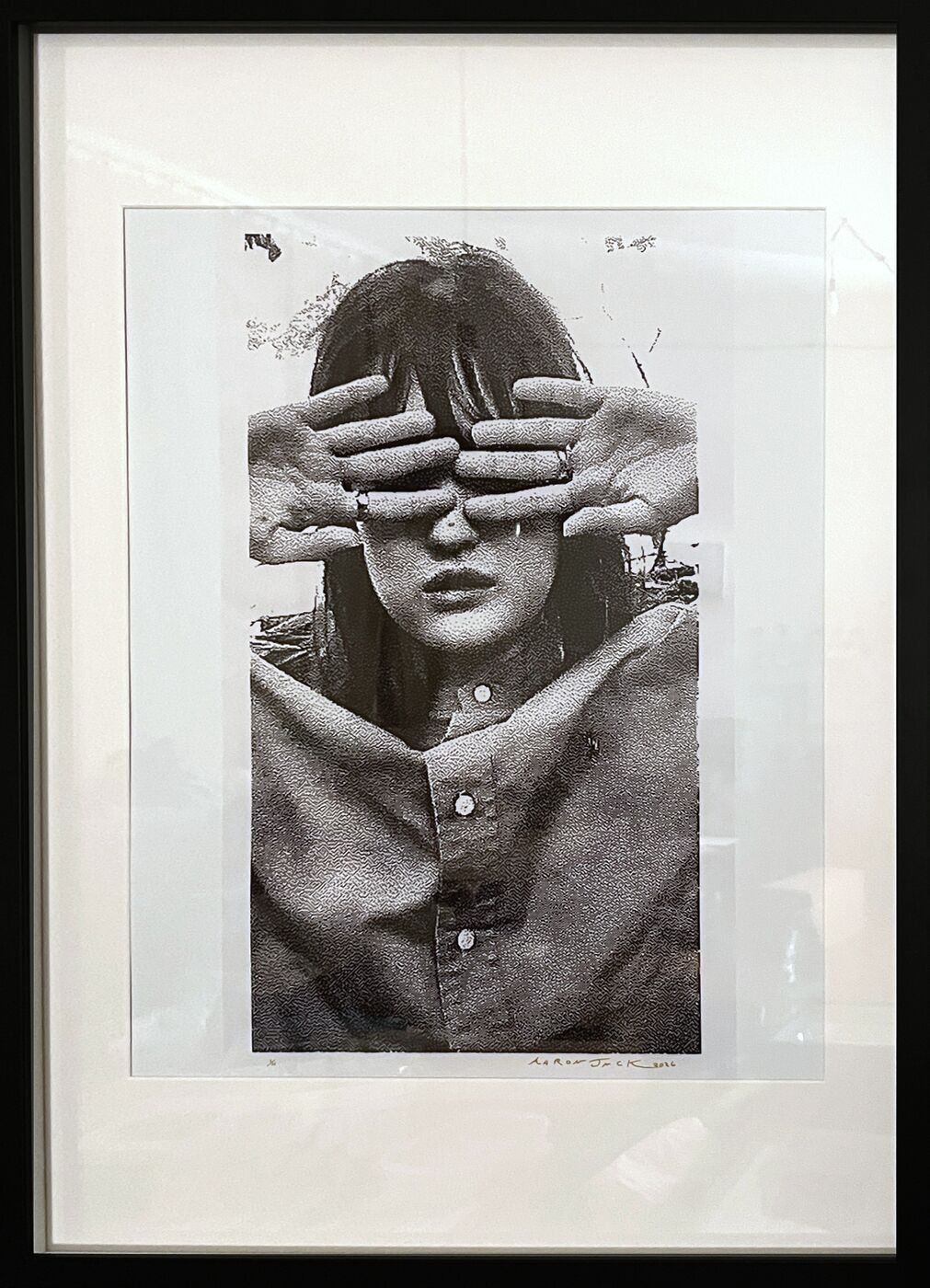
A moment held, however briefly
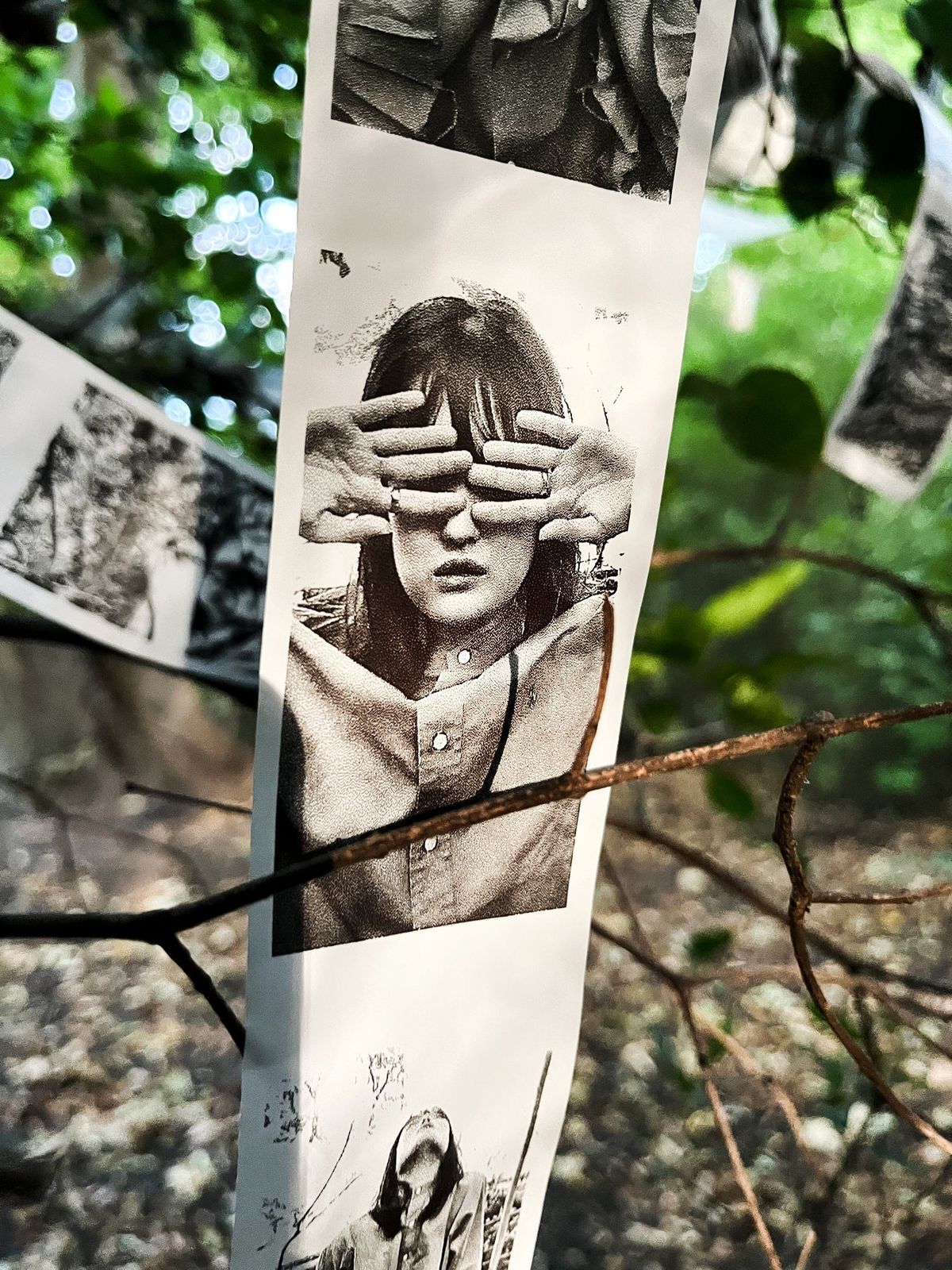
A strip of thermal paper curls out of a small camera, still warm. Aaron Jack tears it off and places it in your hand.
For Aaron, photography begins with looking. Not with the camera, and not necessarily with the intention of making a photograph, but with the moment of noticing something and wanting to hold onto it.
“I kept asking myself why I’d take another photograph, besides habit.”
A photograph can be a kind of stamp: I was here. I saw this. This is what surrounded me. The images hold onto fragments of the everyday: a face, a body, a flower, a street, a gesture, a passing light. Things that might otherwise remain unnoticed. Their value is not necessarily in what they depict, but in the fact that someone stopped long enough to see them.
The camera comes later, almost like a sheet of paper or an invitation. What matters first is the relationship between the person looking and the world in front of them.
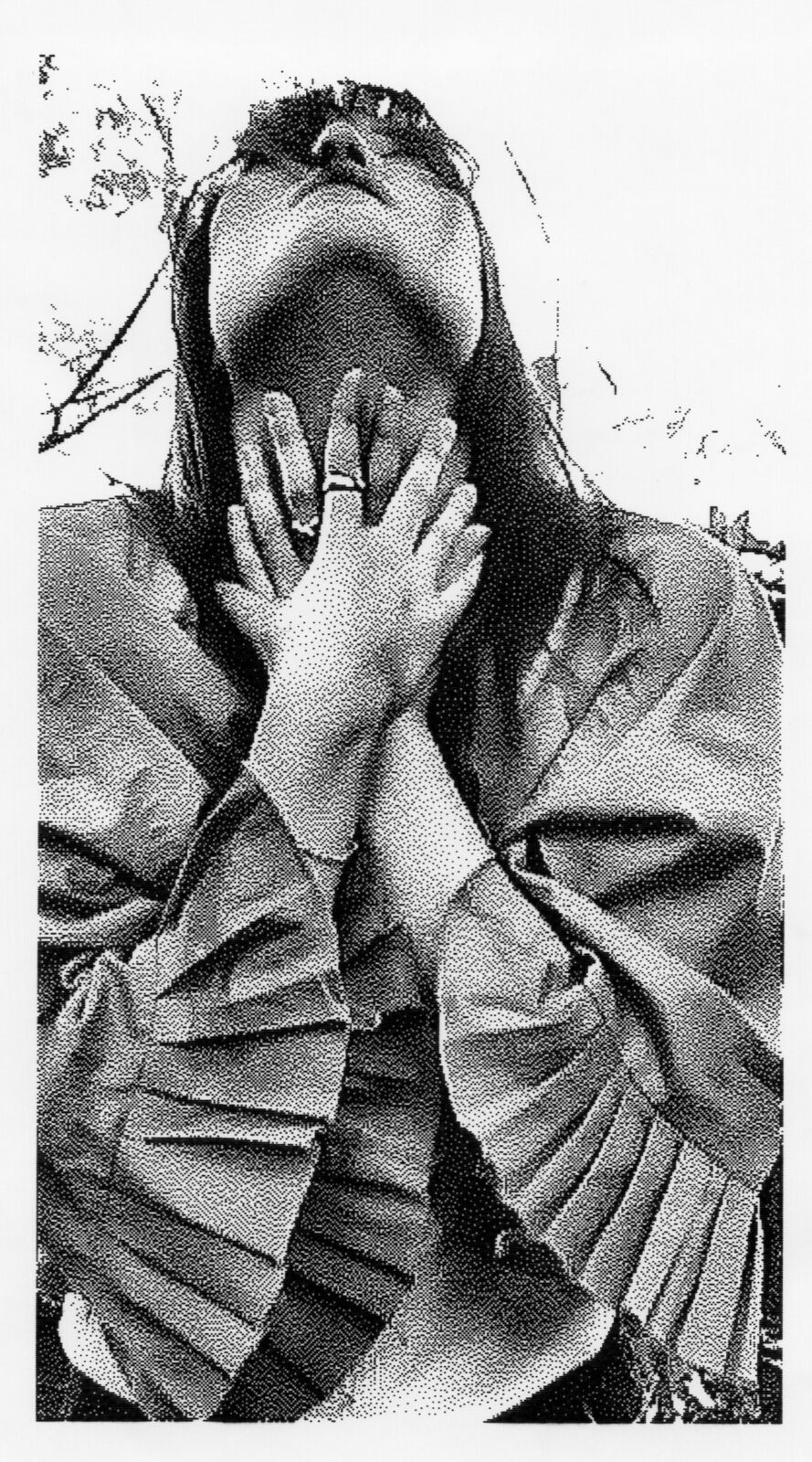
Aaron works with instant cameras and thermal printing, creating photographs directly onto thermal paper. The images emerge quickly, but they are never quite fixed. Light touches them. Heat changes them. Time alters them. Handling becomes part of their surface. They can fade, darken, shift or disappear.
The photograph carries its own impermanence.
Rather than fixing a moment forever, these images seem to hold it for a little while. They become traces of light, movement and attention. Something between a photograph and a memory.
There is something immediate about the small prints. They arrive from the camera and can be held straight away, torn from the machine and passed directly from one person to another. A photograph of a flower someone walks past every day. A face caught in laughter. A body moving through space. A corner of the world that suddenly looks unfamiliar because someone has stopped to look at it.
The image does not always need to make a spectacle of its subject. Sometimes it is enough to notice.
“It’s not only the chaos aligning in front of me. It’s me aligning with the chaos.”
This sense of alignment runs through the work. The photograph is not simply something found in front of the camera, but something made through attention, a moment in which the photographer and the world happen to meet.
The photographs are immediate, imperfect and changing. They ask to be looked at closely, to be held, to be passed on, and to exist for a moment in the hands of someone else.
An exhibition is created, not as a finished collection but as an ongoing encounter.
A photograph made.
A photograph given.
A moment held, however briefly.
Thermal Memories keeps moving: in December it joins a group show at Atrium Arts, Berlin. Vernissage 8 December.
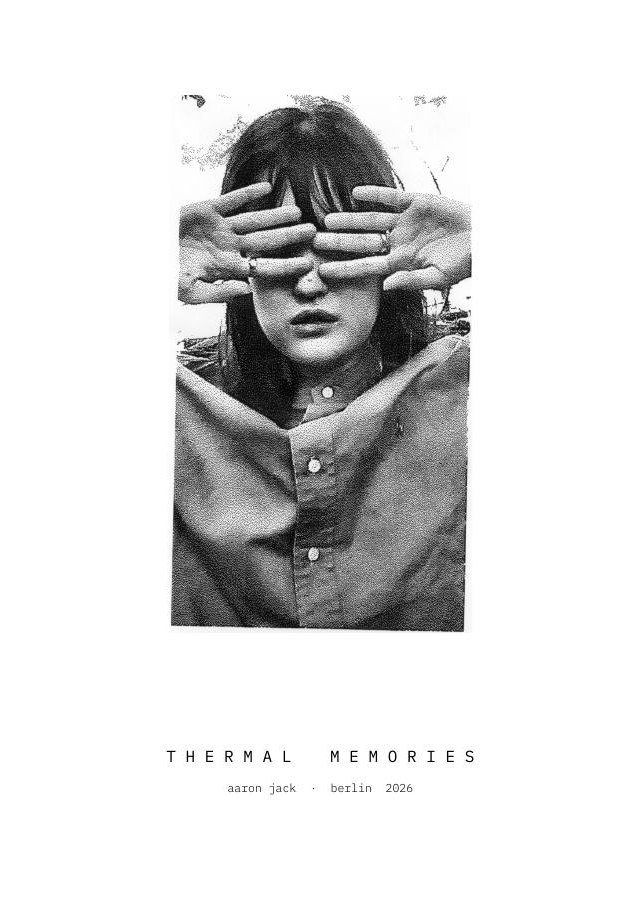
Thermal Memories
More than the book of the show: a record of Berlin in 2026, documenting the human experience and culture of the city at that moment. It launched with the solo show on 3 October.